

Machine Vibration Monitoring: A Comprehensive Guide to Protecting Industrial Equipment


Machine Vibration Monitoring: A Comprehensive Guide to Protecting Industrial Equipment
In today's industrial landscape, unplanned equipment failures can cost facilities millions in lost productivity and repairs. Machine vibration monitoring serves as a crucial early warning system, helping maintenance teams identify potential equipment failures before they become catastrophic. This comprehensive guide explores how vibration monitoring works, why it's essential, and how to implement an effective monitoring program in your facility.
Understanding Machine Vibration Monitoring
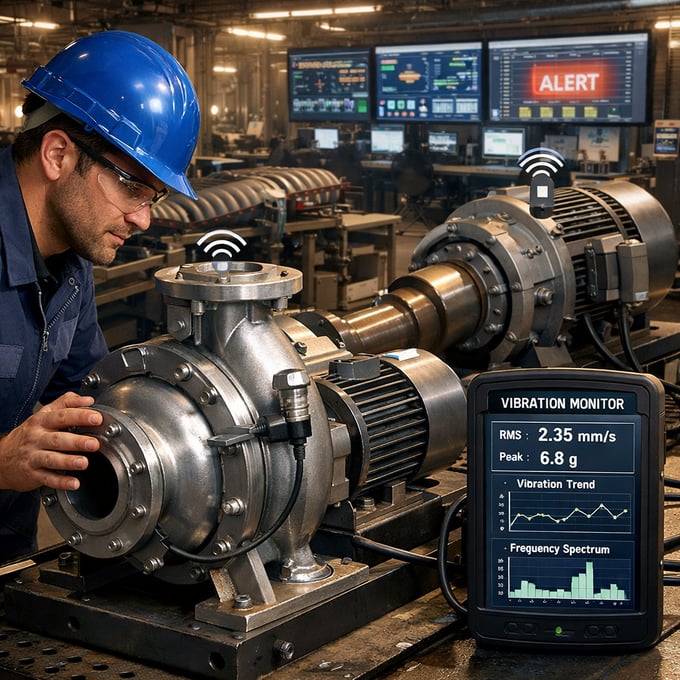
Machine vibration monitoring is a predictive maintenance technique that measures and analyzes the vibration patterns of rotating equipment. Every piece of machinery has a normal vibration signature during operation. When components begin to wear or fail, these vibration patterns change, providing early indicators of developing problems.
Key Components of Vibration Monitoring Systems
A complete vibration monitoring system consists of several essential components:
| Component | Function |
|---|---|
| Vibration Sensors | Detect and measure mechanical vibrations |
| Data Acquisition Units | Collect and process vibration signals |
| Analysis Software | Interpret data and identify patterns |
| Alert Systems | Notify personnel of abnormal conditions |
Benefits of Implementing Vibration Monitoring
Organizations implementing comprehensive vibration monitoring programs typically experience:
- 25-30% reduction in maintenance costs
- 70-75% decrease in equipment breakdowns
- 20-25% increase in production efficiency
- 35-40% reduction in spare parts inventory
Common Applications in Industrial Settings
Machine vibration monitoring is particularly valuable in facilities with:
Wastewater Treatment Plants
Pumps, blowers, and aerators in wastewater facilities operate continuously under harsh conditions. Vibration monitoring helps maintain optimal performance of these critical systems while preventing costly failures that could lead to environmental incidents.
Manufacturing Facilities
Production equipment, conveyor systems, and processing machinery benefit from continuous vibration monitoring to maintain product quality and prevent unexpected downtime.
Power Generation Plants
Turbines, generators, and auxiliary equipment require precise monitoring to maintain efficient operation and prevent catastrophic failures.
Implementing an Effective Monitoring Program
Step 1: Equipment Assessment
Begin by identifying critical equipment that would benefit most from vibration monitoring. Consider factors such as:
- Equipment criticality to operations
- Replacement costs
- Historical maintenance records
- Safety implications of failure
Step 2: Sensor Selection and Installation
Choose appropriate sensors based on:
| Equipment Type | Recommended Sensor |
|---|---|
| Low-Speed Machinery | Displacement Sensors |
| Standard Industrial Equipment | Velocity Sensors |
| High-Speed Equipment | Accelerometers |
Step 3: Data Collection and Analysis
Establish regular monitoring intervals and baseline measurements for each piece of equipment. Modern SCADA systems can integrate vibration monitoring data to provide real-time insights and automated alerts.
Advanced Vibration Analysis Techniques
Spectrum Analysis
This technique breaks down vibration signals into frequency components, helping identify specific issues such as:
- Bearing defects
- Misalignment
- Unbalance
- Loose components
Trending Analysis
By tracking vibration measurements over time, maintenance teams can:
- Predict remaining equipment life
- Schedule maintenance during planned downtime
- Optimize maintenance intervals
- Reduce unnecessary maintenance activities
Integration with Modern Control Systems
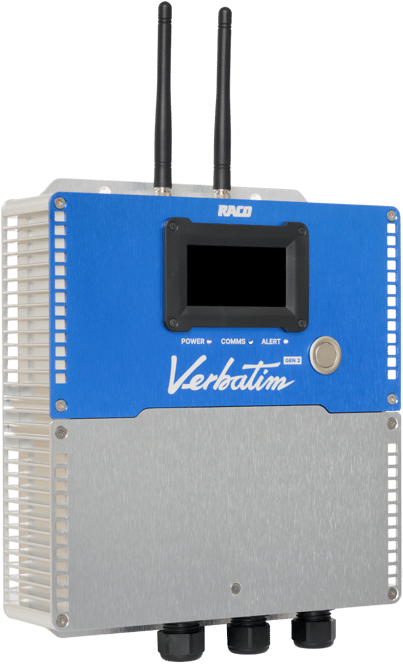
Modern vibration monitoring systems can integrate with existing control and automation systems through various communication protocols. RACO's Catalyst and AlarmAgent systems can receive vibration monitoring data and provide immediate notification when abnormal conditions occur.
Best Practices for Successful Implementation
Training and Personnel Development
Ensure maintenance staff receives proper training in:
- Basic vibration theory
- Data collection procedures
- Analysis software operation
- Troubleshooting techniques
Documentation and Record Keeping
Maintain detailed records of:
- Baseline measurements
- Equipment specifications
- Maintenance actions
- Trend analysis results
Common Challenges and Solutions
| Challenge | Solution |
|---|---|
| Data Overload | Implement automated analysis and filtering systems |
| False Alarms | Regular calibration and threshold adjustment |
| Resource Constraints | Prioritize critical equipment and phase implementation |
Conclusion
Machine vibration monitoring represents a crucial investment in equipment reliability and operational efficiency. By implementing a comprehensive monitoring program and following best practices, organizations can significantly reduce maintenance costs, prevent unexpected failures, and improve overall equipment effectiveness.
Recommended Internal Links:
- Predictive Maintenance
- SCADA Systems
- Industrial Automation
- Equipment Monitoring
- Wastewater Treatment Solutions