

Water Disasters: How Modern Monitoring Systems Prevent Catastrophic Failures


Water Disasters: How Modern Monitoring Systems Prevent Catastrophic Failures
When it comes to protecting our communities from water disasters, every second counts. From sewage overflows to dam failures, the consequences of water-related catastrophes can be devastating – both environmentally and economically. But here's the good news: with advanced monitoring systems and proper infrastructure management, many of these disasters are preventable.
Understanding the Scope of Water Disasters
Water disasters come in many forms, each with its unique challenges and potential for damage. In the United States alone, water-related emergencies cost billions of dollars annually and affect millions of lives. These incidents can range from infrastructure failures to natural disasters, including:
| Disaster Type | Potential Impact | Prevention Method |
|---|---|---|
| Sewage Overflows | Environmental contamination, public health risks | Real-time monitoring systems, alarm dialers |
| Pump Station Failures | Service interruptions, flooding | Remote monitoring, predictive maintenance |
| Water Main Breaks | Property damage, service disruption | Pressure monitoring, leak detection |
The Critical Role of Monitoring Systems
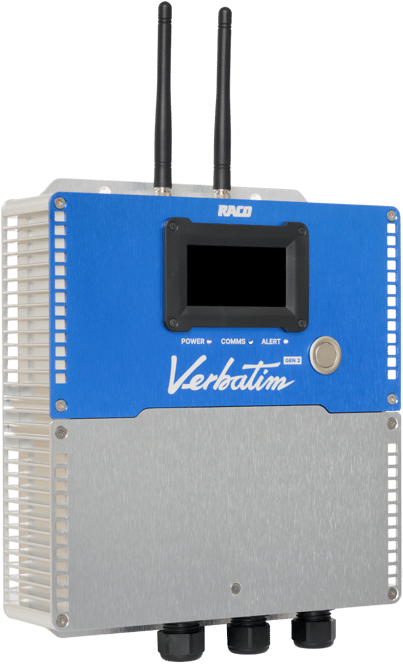
Modern monitoring systems serve as the first line of defense against water disasters. These sophisticated networks of sensors, alarms, and communication devices work tirelessly to detect potential issues before they escalate into full-blown emergencies. RACO's alarm monitoring systems, for instance, provide 24/7 surveillance of critical infrastructure components.
Key Components of Effective Water Monitoring
A comprehensive monitoring system includes several essential elements:
- Remote Terminal Units (RTUs) - These devices collect and transmit data from various points in the water system
- Alarm Dialers - Automated systems that immediately notify personnel of potential issues
- SCADA Integration - Comprehensive control and data acquisition systems for complete facility oversight
Real-World Applications in Disaster Prevention
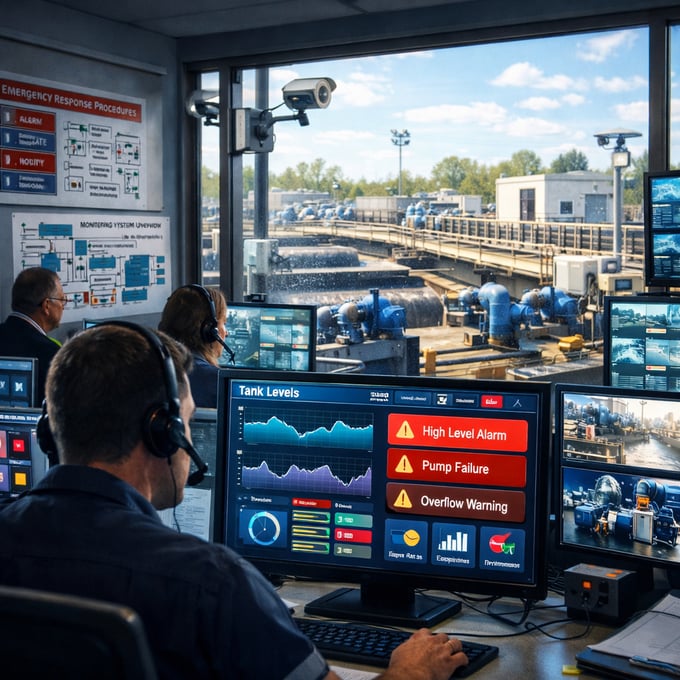
Consider a typical scenario: A wastewater treatment plant experiences an unexpected surge in flow during a heavy rainfall event. Without proper monitoring, this could lead to a catastrophic overflow. However, with RACO's Catalyst alarm monitoring system in place, operators receive immediate notifications about rising water levels, enabling them to take preventive action before an overflow occurs.
Case Study: Preventing a Major Overflow Event
In a recent implementation at a municipal water utility, RACO's monitoring system helped prevent a potential disaster by:
- Detecting abnormal pump performance patterns
- Alerting maintenance staff before equipment failure
- Providing real-time data for quick decision-making
- Enabling remote system adjustments
The Economic Impact of Prevention
Investing in monitoring systems isn't just about preventing disasters – it's about protecting assets and maintaining fiscal responsibility. The cost of implementing monitoring systems is minimal compared to the potential expenses of cleaning up after a water disaster:
| Disaster Response | Average Cost | Prevention Cost |
|---|---|---|
| Major Sewage Overflow | $1,000,000+ | $50,000 |
| Pump Station Failure | $500,000 | $25,000 |
Best Practices for Water Disaster Prevention
To maximize the effectiveness of monitoring systems, organizations should:
1. Implement Comprehensive Monitoring
Deploy monitoring equipment at all critical points in the water system, including:
- Pump stations
- Treatment facilities
- Storage tanks
- Distribution networks
2. Establish Clear Response Protocols
Develop and maintain detailed emergency response procedures that outline:
- Notification hierarchies
- Response timelines
- Emergency contact information
- Backup procedures
Future-Proofing Water Infrastructure
As climate change continues to present new challenges, the importance of robust monitoring systems becomes even more critical. Modern solutions must be adaptable and scalable to meet evolving needs. RACO's systems are designed with future expansion in mind, allowing utilities to grow their monitoring capabilities as needed.
Conclusion
Water disasters may be inevitable in some cases, but their impact can be significantly minimized through proper monitoring and quick response. By implementing comprehensive monitoring systems like those offered by RACO Manufacturing & Engineering, utilities and municipalities can protect their infrastructure, their budgets, and most importantly, their communities.
Recommended Internal Links:
- Alarm Monitoring Systems
- SCADA Solutions
- Remote Monitoring
- Pump Station Monitoring
- Wastewater Treatment Solutions