

Reed Doors: The Complete Guide to Industrial Door Solutions for Harsh Environments


Reed Doors: The Complete Guide to Industrial Door Solutions for Harsh Environments
In industrial environments where reliability and durability are paramount, reed doors stand as a testament to innovative engineering solutions. These specialized industrial doors play a crucial role in facilities ranging from wastewater treatment plants to chemical processing facilities, offering unique benefits that set them apart from conventional door systems.
Understanding Reed Doors: A Technical Overview
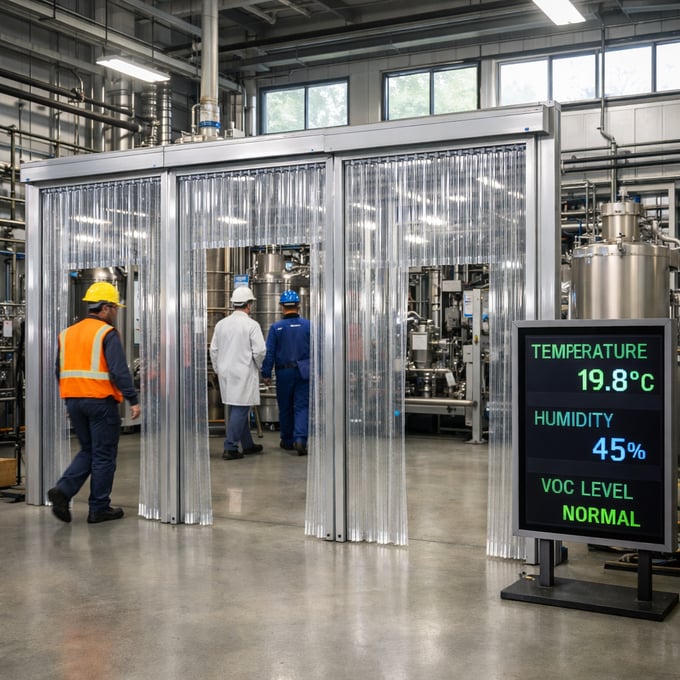
Reed doors, also known as strip doors or strip curtains in some applications, consist of overlapping flexible strips that create a barrier while allowing easy passage. Unlike traditional solid doors, reed doors utilize specialized materials and design principles that make them particularly suitable for challenging industrial environments.
Key Components of Reed Doors
The effectiveness of reed doors lies in their carefully engineered components:
| Component | Function | Material Options |
|---|---|---|
| Strips | Primary barrier element | PVC, Vinyl, Industrial-grade polymers |
| Mounting Hardware | Secure attachment system | Stainless steel, Galvanized steel |
| Support Frame | Structural integrity | Aluminum, Steel |
Applications in Industrial Settings
Reed doors find extensive use across various industrial applications, particularly in environments where traditional doors might fail or prove impractical.
Wastewater Treatment Facilities
In wastewater treatment plants, reed doors serve multiple critical functions:
- Containment of odors and harmful gases - Protection of sensitive equipment from moisture - Temperature control in processing areas - Easy access for maintenance personnelChemical Processing Plants
Chemical facilities benefit from reed doors through:
- Chemical vapor containment - Corrosion-resistant barriers - Emergency access capabilities - Ventilation controlAdvantages of Reed Door Implementation
The implementation of reed doors offers numerous benefits that make them indispensable in industrial settings:
Operational Benefits
| Benefit | Impact |
|---|---|
| Energy Efficiency | Reduces HVAC costs by maintaining temperature zones |
| Accessibility | Enables quick passage without manual operation |
| Safety | Provides emergency egress capabilities |
| Durability | Withstands harsh environmental conditions |
Selection Criteria for Reed Doors
Choosing the right reed door system requires careful consideration of several factors:
Environmental Considerations
Assess the specific challenges of your facility:
- Chemical exposure levels - Temperature variations - Moisture content - Air pressure differentialsTraffic Patterns
Evaluate operational requirements:
- Frequency of access - Types of vehicles or equipment passing through - Direction of traffic flow - Peak usage periodsMaintenance and Care
Proper maintenance ensures optimal performance and longevity of reed door systems:
Regular Inspection Schedule
| Component | Inspection Frequency | Key Checks |
|---|---|---|
| Strips | Monthly | Wear, transparency, flexibility |
| Hardware | Quarterly | Mounting security, corrosion |
| Frame | Semi-annually | Structural integrity, alignment |
Integration with Control Systems
Modern reed doors can be enhanced with various control systems to improve functionality and monitoring capabilities. Integration possibilities include:
- Automated monitoring systems for tracking door usage and maintenance needs - Environmental sensors to adjust door operation based on conditions - Access control systems for security management - SCADA integration for comprehensive facility monitoringCost Considerations and ROI
When evaluating reed door systems, consider both initial and long-term costs:
Investment Factors
| Cost Category | Considerations |
|---|---|
| Initial Investment | Hardware, installation, customization |
| Operational Costs | Energy savings, maintenance requirements |
| Replacement Costs | Strip replacement, hardware updates |
Conclusion
Reed doors represent a crucial component in industrial facility management, offering a perfect balance of accessibility, protection, and efficiency. Their ability to withstand harsh environments while maintaining operational efficiency makes them an invaluable asset in wastewater treatment plants and other industrial settings.