

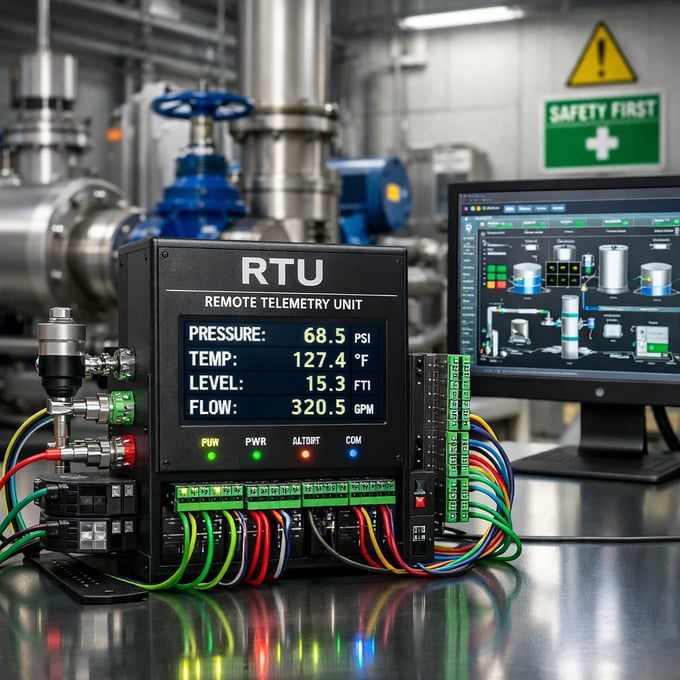
Remote Telemetry Unit (RTU): The Complete Guide to Industrial Monitoring and Control Systems


Remote Telemetry Unit (RTU): The Complete Guide to Industrial Monitoring and Control Systems
In today's interconnected industrial landscape, the ability to monitor and control remote equipment is not just a convenience—it's a necessity. Remote Telemetry Units (RTUs) serve as the backbone of modern industrial monitoring systems, providing real-time data collection and control capabilities that keep critical infrastructure running smoothly. Whether you're managing a water treatment facility, overseeing oil and gas operations, or maintaining electrical distribution networks, understanding RTUs is crucial for operational success.
What is a Remote Telemetry Unit?
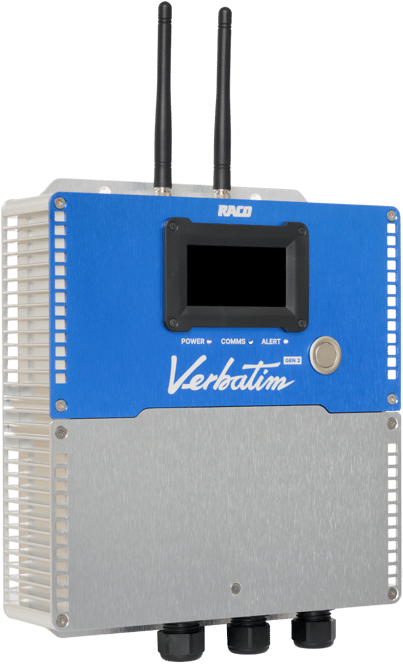
A remote telemetry unit is a microprocessor-controlled electronic device that interfaces objects in the physical world to a distributed control system or SCADA (Supervisory Control and Data Acquisition) system. These sophisticated devices serve as the eyes and ears of industrial operations, continuously monitoring equipment status, process variables, and environmental conditions while enabling remote control capabilities.
Core Functions of Remote Telemetry Units
Modern RTUs perform several essential functions:
| Function | Description |
|---|---|
| Data Acquisition | Collects data from sensors and equipment in real-time |
| Signal Processing | Converts analog signals to digital format for transmission |
| Data Storage | Maintains local data logs when communication is interrupted |
| Remote Control | Enables operators to control equipment from distant locations |
Key Components of a Remote Telemetry Unit
Understanding the essential components of an RTU helps operators maximize their system's effectiveness:
1. Processing Unit
The central processing unit serves as the brain of the RTU, executing programmed logic and managing all operations. Modern RTUs utilize powerful microprocessors capable of handling complex calculations and multiple simultaneous operations.
2. Input/Output Modules
I/O modules interface with field devices, converting physical signals into digital data and vice versa. Common types include:
- Analog inputs (4-20mA, 0-10V) - Digital inputs (contact closure, voltage presence) - Analog outputs (control signals) - Digital outputs (relay contacts)3. Communication Interface
RTUs employ various communication methods to transmit data to central monitoring stations:
- Cellular networks (4G/5G) - Satellite communications - Radio frequency (RF) - Ethernet/IP networksApplications Across Industries
Remote telemetry units find critical applications across numerous industries:
Water/Wastewater Management
In water treatment facilities, RTUs monitor pump stations, tank levels, flow rates, and water quality parameters. They provide early warning of potential issues and enable rapid response to emergency conditions.
Oil and Gas
RTUs monitor wellhead conditions, pipeline pressures, and storage tank levels while controlling valves and pumps to maintain safe, efficient operations.
Power Distribution
Electric utilities use RTUs to monitor substation equipment, track power quality, and manage grid operations in real-time.
Selecting the Right Remote Telemetry Unit
When choosing an RTU for your application, consider these critical factors:
| Factor | Considerations |
|---|---|
| Environmental Requirements | Temperature range, humidity, hazardous location ratings |
| I/O Requirements | Number and types of inputs/outputs needed |
| Communication Options | Available network infrastructure, reliability requirements |
| Power Requirements | Available power sources, backup power needs |
Best Practices for RTU Implementation
Successful RTU deployment requires careful attention to several key aspects:
1. System Planning
Develop a comprehensive implementation plan that addresses:
- Site survey and environmental assessment - Communication infrastructure requirements - Power supply considerations - Integration with existing systems2. Installation and Configuration
Proper installation ensures reliable operation:
- Follow manufacturer guidelines for mounting and wiring - Implement appropriate surge protection - Configure communication parameters correctly - Test all inputs and outputs thoroughly3. Maintenance and Support
Regular maintenance is crucial for long-term reliability:
- Establish preventive maintenance schedules - Monitor battery systems and power supplies - Update firmware as recommended - Document all maintenance activitiesFuture Trends in Remote Telemetry Units
The RTU landscape continues to evolve with emerging technologies:
Edge Computing Capabilities
Modern RTUs increasingly incorporate edge computing features, enabling local processing and decision-making to reduce network traffic and improve response times.
Enhanced Cybersecurity
As industrial systems become more connected, RTU manufacturers are implementing advanced security features to protect against cyber threats.
Integration with IoT Platforms
RTUs are evolving to support seamless integration with Industrial Internet of Things (IIoT) platforms, enabling enhanced data analytics and predictive maintenance capabilities.
Conclusion
Remote telemetry units play a vital role in modern industrial automation and control systems. Understanding their capabilities, components, and applications is essential for implementing effective monitoring and control solutions. As technology continues to advance, RTUs will become even more sophisticated, offering enhanced features and capabilities to meet the evolving needs of industrial operations.
For more information about implementing RTU solutions in your facility, contact RACO Manufacturing & Engineering. Our experts can help you select and configure the right RTU system for your specific requirements.