



Residential Sewer Systems: A Complete Guide to Home Wastewater Management
Understanding your home's sewer system might not be the most exciting topic, but it's crucial for every homeowner. A properly functioning residential sewer system is essential for maintaining public health, protecting the environment, and ensuring your home operates smoothly. In this comprehensive guide, we'll explore everything you need to know about residential sewer systems, from their basic components to maintenance best practices.
What Is a Residential Sewer System?
A residential sewer system is a network of pipes, connections, and processing facilities that safely transport and treat wastewater from your home. This complex infrastructure handles everything from toilet flushes to shower drainage, ensuring harmful waste is properly managed and treated before being returned to the environment.
Main Components of Residential Sewer Systems
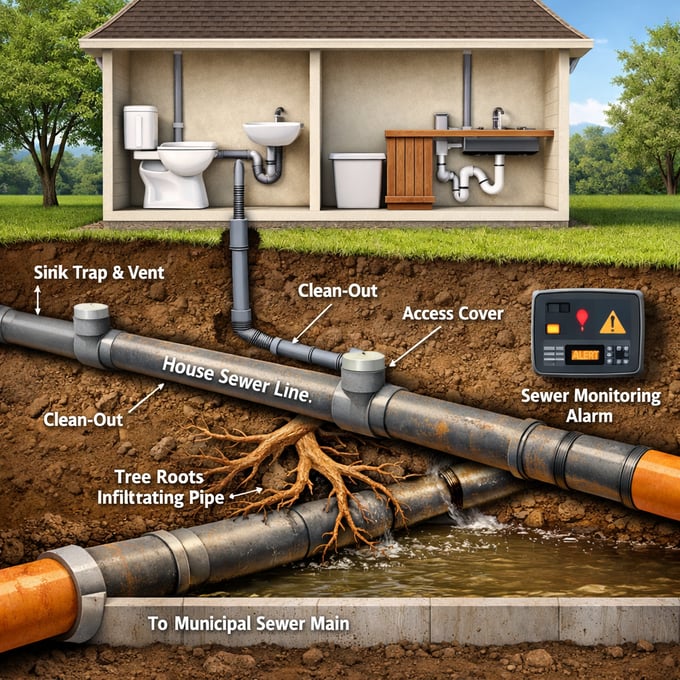
1. House Sewer Line
The house sewer line, also known as the lateral line, is the main pipe connecting your home's plumbing to the municipal sewer main or septic system. This pipe typically measures 4-6 inches in diameter and relies on gravity to transport waste.
2. Clean-Outs
Clean-outs are access points installed along the sewer line that allow for inspection, cleaning, and maintenance. They're typically located near the house and at major bends in the pipe.
3. Traps and Vents
Every plumbing fixture in your home includes a trap (P-trap or S-trap) that maintains a water seal to prevent sewer gases from entering your home. Vent pipes extend through your roof to equalize pressure and allow proper drainage.
| Component | Function | Maintenance Frequency |
|---|---|---|
| House Sewer Line | Main waste transport | Inspection every 2-3 years |
| Clean-Outs | Access for maintenance | Annual inspection |
| Traps | Prevent gas backup | Monthly cleaning |
Types of Residential Sewer Systems
Municipal Sewer Systems
Most urban and suburban homes connect to municipal sewer systems. These centralized systems collect wastewater from multiple properties and transport it to treatment facilities. Municipal systems require less maintenance from homeowners but come with monthly utility fees.
Septic Systems
Common in rural areas, septic systems are self-contained wastewater treatment facilities located on the property. They require more regular maintenance and monitoring but offer independence from municipal services.
Modern Monitoring and Alert Systems
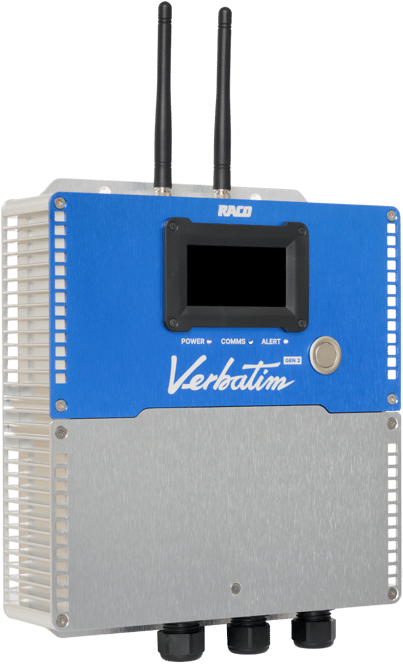
Today's residential sewer systems can benefit from advanced monitoring technology. RACO Manufacturing & Engineering's alarm systems, like the Verbatim Connect, provide real-time monitoring and instant alerts for potential issues such as:
- Backup conditions
- Pump failures
- High water levels
- System malfunctions
Common Problems and Solutions
Tree Root Intrusion
Tree roots seeking moisture can infiltrate and damage sewer lines. Regular inspection and preventive measures like root barriers or chemical treatments can help prevent this issue.
Pipe Deterioration
Over time, pipes can corrode or collapse, especially in older homes. Modern trenchless repair methods offer less invasive solutions for pipe replacement.
Blockages
Accumulated grease, debris, or foreign objects can cause blockages. Regular maintenance and proper disposal practices are essential preventive measures.
Maintenance Best Practices
Proper maintenance of residential sewer systems includes:
| Maintenance Task | Frequency | Professional/DIY |
|---|---|---|
| Video Inspection | Every 2 years | Professional |
| Clean-Out Checking | Annually | DIY/Professional |
| Drain Cleaning | As needed | DIY/Professional |
Environmental Considerations
Modern residential sewer systems must meet strict environmental standards. Proper maintenance and monitoring help protect local watersheds and comply with environmental regulations. Smart monitoring solutions from RACO can help ensure your system meets these requirements while protecting your property.
Cost Considerations
Understanding the costs associated with residential sewer systems helps in budgeting for maintenance and potential repairs:
| Service | Average Cost Range | Frequency |
|---|---|---|
| Regular Inspection | $150-300 | Annual |
| Line Cleaning | $200-500 | As needed |
| Major Repairs | $1,500-5,000+ | As needed |
Conclusion
A well-maintained residential sewer system is crucial for your home's functionality and your family's health. Regular monitoring, maintenance, and quick response to potential issues can prevent costly repairs and environmental problems. Consider implementing modern monitoring solutions like RACO's alarm systems to ensure your system operates efficiently and reliably.
Recommended Internal Links:
- Wastewater monitoring systems
- Pump station alarms
- Remote monitoring solutions
- Sewer system maintenance
- Water level monitoring