

Types of Sewer Systems: A Comprehensive Guide to Modern Wastewater Infrastructure


Types of Sewer Systems: A Comprehensive Guide to Modern Wastewater Infrastructure
Understanding the various types of sewer systems is crucial for municipalities, engineers, and wastewater professionals who manage our essential infrastructure. As communities grow and environmental challenges evolve, choosing and maintaining the right sewer system becomes increasingly important for public health and environmental protection.
The Evolution of Sewer Systems
Modern sewer systems have come a long way from the primitive drainage systems of ancient civilizations. Today's infrastructure combines sophisticated engineering with advanced monitoring technology to efficiently manage wastewater and stormwater. The evolution of these systems reflects our growing understanding of public health, environmental protection, and urban development needs.
Main Types of Sewer Systems
1. Combined Sewer Systems (CSS)
Combined sewer systems, predominantly found in older cities, collect both sanitary sewage and stormwater in the same pipeline. While this approach was common in early urban development, it presents unique challenges:
| Advantages | Disadvantages |
|---|---|
| - Lower initial infrastructure costs - Simpler maintenance requirements - Single pipeline system |
- Risk of combined sewer overflows (CSOs) - Environmental concerns during heavy rainfall - Higher treatment costs |
2. Separate Sewer Systems
Separate sewer systems use distinct pipelines for sanitary sewage and stormwater, representing the modern standard in wastewater management. This approach offers several benefits:
- Reduced risk of environmental contamination
- More efficient treatment processes
- Better flow management during storm events
3. Pressure Sewer Systems
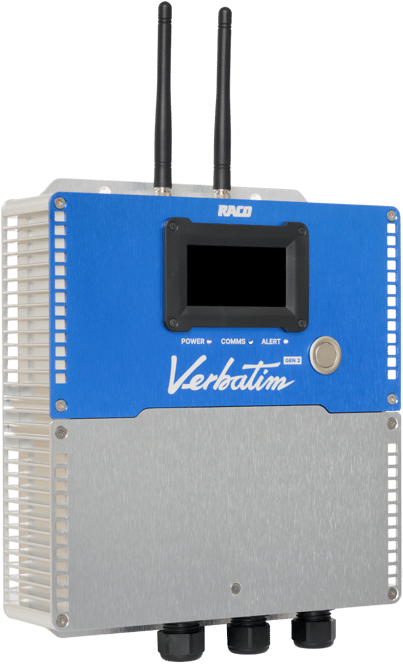
Pressure sewer systems utilize pumps to move wastewater through pressurized pipes, making them ideal for areas where conventional gravity systems aren't practical. These systems require specialized monitoring equipment, such as RACO's Verbatim alarm auto-dialers, to ensure proper operation and prevent system failures.
Advanced Monitoring and Control Systems
Modern sewer systems rely heavily on sophisticated monitoring and control systems to maintain optimal performance. Key components include:
Remote Monitoring Solutions
Advanced monitoring systems like RACO's AlarmAgent.com provide real-time oversight of sewer system operations, enabling:
- Immediate notification of system failures or overflows
- Predictive maintenance capabilities
- Data-driven decision making for system improvements
SCADA Integration
Supervisory Control and Data Acquisition (SCADA) systems integrate seamlessly with modern sewer infrastructure, providing comprehensive monitoring and control capabilities. This integration is essential for:
| Feature | Benefit |
|---|---|
| Real-time monitoring | Immediate response to system issues |
| Data collection | Improved system optimization |
| Remote control | Enhanced operational efficiency |
Emerging Technologies in Sewer Systems
The wastewater industry continues to evolve with new technologies and approaches:
Smart Sewer Systems
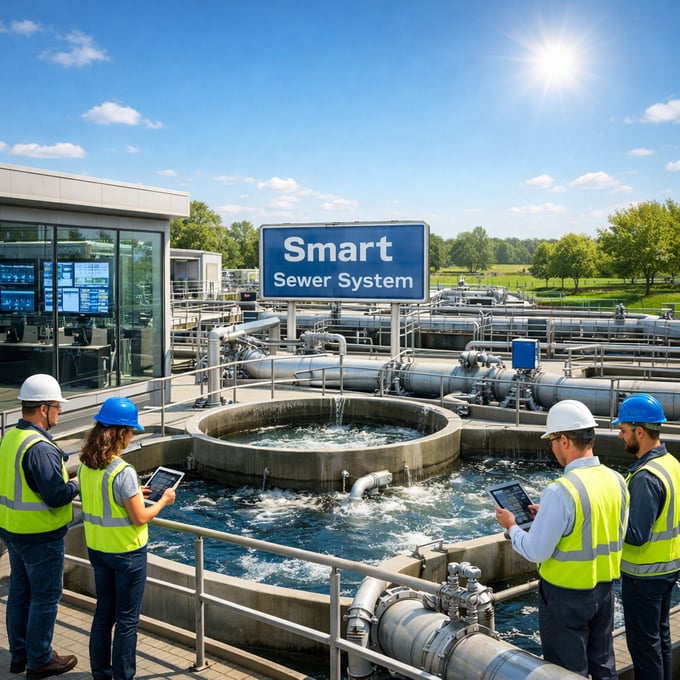
Smart sewer systems incorporate IoT sensors, advanced analytics, and automated controls to optimize performance and reduce operational costs. These systems can:
- Predict and prevent overflow events
- Optimize energy usage
- Reduce maintenance costs
Sustainable Urban Drainage Systems (SUDS)
SUDS represent an innovative approach to stormwater management, incorporating natural processes and green infrastructure to reduce the burden on traditional sewer systems.
Maintaining Modern Sewer Systems
Effective maintenance of sewer systems requires a comprehensive approach that includes:
Regular Monitoring
Implementing reliable monitoring solutions like RACO's Catalyst alarm notification system ensures immediate awareness of system issues and helps prevent costly failures.
Preventive Maintenance
A robust preventive maintenance program should include:
| Maintenance Task | Frequency | Impact |
|---|---|---|
| Pipeline inspection | Annual | Prevents blockages and failures |
| Pump station maintenance | Quarterly | Ensures reliable operation |
| Monitoring system checks | Monthly | Maintains system reliability |
Choosing the Right Sewer System
When selecting or upgrading a sewer system, consider these key factors:
- Community size and growth projections
- Geographic and topographic conditions
- Environmental regulations
- Budget constraints
- Long-term maintenance requirements
Conclusion
Understanding the various types of sewer systems is essential for making informed decisions about wastewater infrastructure. Whether managing an existing system or planning new infrastructure, incorporating modern monitoring solutions like RACO's comprehensive alarm systems ensures reliable operation and environmental protection.
For more information about how RACO's monitoring solutions can enhance your sewer system's performance, contact our experts today.