


What is SCADA? A Comprehensive Guide to Supervisory Control and Data Acquisition Systems


What is SCADA? A Comprehensive Guide to Supervisory Control and Data Acquisition Systems
If you work in industrial automation, utilities, or manufacturing, you've likely encountered the term SCADA. But what is SCADA exactly, and why is it crucial for modern industrial operations? This comprehensive guide will break down everything you need to know about SCADA systems, their components, benefits, and real-world applications.
SCADA Definition: The Fundamentals
SCADA (Supervisory Control and Data Acquisition) is an industrial control system that enables organizations to monitor, control, and analyze industrial processes in real-time. Think of SCADA as the central nervous system of industrial operations – it collects data from various sensors and equipment, processes this information, and allows operators to make informed decisions about process control.
The Core Components of a SCADA System
A complete SCADA system consists of several essential components working together seamlessly:
1. Remote Terminal Units (RTUs) and Programmable Logic Controllers (PLCs)
RTUs and PLCs are the field devices that connect to sensors and equipment. They collect data and execute control commands, serving as the hands and feet of the SCADA system. These devices convert physical measurements like flow rates, pressure, and temperature into digital data that the SCADA system can understand.
2. Human-Machine Interface (HMI)
The HMI is the user interface where operators interact with the SCADA system. It displays real-time data, alarms, and process visualizations, allowing operators to monitor and control industrial processes through an intuitive graphical interface.
3. Communication Infrastructure
The communication network enables data transfer between field devices and the central SCADA system. This can include various protocols and technologies such as:
- Ethernet/IP
- Modbus
- Cellular networks
- Radio communication
- Satellite communication
4. Master Terminal Unit (MTU)
The MTU is the central processing unit that manages data collection, processing, and control commands. It's the brain of the SCADA system, coordinating all system activities and maintaining the database of process information.
How SCADA Systems Work: A Step-by-Step Process
| Step | Action | Purpose |
|---|---|---|
| 1 | Data Collection | Field devices gather real-time data from sensors and equipment |
| 2 | Data Transmission | Information is sent to the central system via communication network |
| 3 | Data Processing | MTU processes and analyzes incoming data |
| 4 | Visualization | Data is displayed on HMI for operator monitoring |
| 5 | Control | Operators can send commands back to field devices |
Key Benefits of Implementing SCADA Systems
Improved Operational Efficiency
SCADA systems provide real-time monitoring and control capabilities that help organizations optimize their processes, reduce downtime, and improve resource utilization. By automating routine tasks and providing immediate access to critical data, SCADA systems enable operators to make faster, more informed decisions.
Enhanced Safety and Compliance
With advanced alarm management and automated safety protocols, SCADA systems help organizations maintain safe operating conditions and comply with regulatory requirements. The system can automatically detect and respond to potentially hazardous situations before they escalate.
Cost Reduction
By optimizing operations and preventing equipment failures, SCADA systems can significantly reduce operational costs. Predictive maintenance capabilities help organizations avoid expensive emergency repairs and extend equipment life spans.
Common SCADA Applications
SCADA systems are utilized across various industries, including:
Water and Wastewater Management
SCADA systems monitor water quality, control treatment processes, and manage distribution networks. They help utilities maintain water quality standards while optimizing energy usage and chemical dosing.
Manufacturing
In manufacturing facilities, SCADA systems control production lines, monitor equipment performance, and ensure product quality. They provide real-time visibility into manufacturing processes and help maintain consistent production standards.
Energy Management
Power utilities use SCADA systems to monitor electrical grid performance, manage power distribution, and respond to outages quickly. The systems help maintain grid stability and optimize power generation efficiency.
Modern SCADA Trends and Innovations
Cloud-Based SCADA
Cloud technology is revolutionizing SCADA systems by offering greater flexibility, scalability, and accessibility. Cloud-based SCADA solutions enable remote monitoring and control from anywhere with an internet connection.
Industrial Internet of Things (IIoT) Integration
Modern SCADA systems increasingly incorporate IIoT devices and sensors, enabling more comprehensive data collection and analysis. This integration provides deeper insights into industrial processes and enables predictive maintenance strategies.
Choosing the Right SCADA System
When selecting a SCADA system, consider these crucial factors:
| Factor | Considerations |
|---|---|
| Scalability | Can the system grow with your operations? |
| Security Features | What cybersecurity measures are in place? |
| Integration Capabilities | How well does it work with existing systems? |
| Support and Maintenance | What level of vendor support is available? |
Conclusion: The Future of SCADA
SCADA systems continue to evolve, incorporating new technologies and capabilities that make industrial operations more efficient, secure, and sustainable. As organizations increasingly rely on data-driven decision-making, SCADA systems will remain crucial for industrial automation and control.
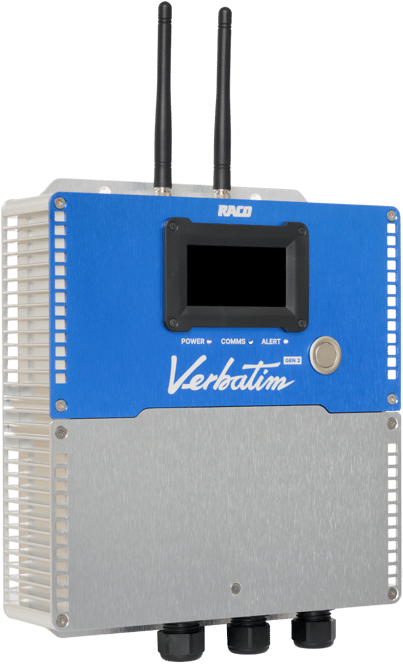
For organizations looking to implement or upgrade their SCADA systems, working with experienced providers like RACO Manufacturing & Engineering can ensure a successful deployment that meets your specific operational needs.
Recommended Internal Links:
- Industrial Automation Solutions
- Remote Monitoring Systems
- Alarm Management Systems
- Water Treatment Control Systems
- SCADA Security Best Practices