

What Is a Sewer Lift Station? A Comprehensive Guide to Wastewater Management


What Is a Sewer Lift Station? A Comprehensive Guide to Wastewater Management
When it comes to modern wastewater infrastructure, sewer lift stations play a crucial yet often overlooked role in keeping our communities clean and healthy. These essential facilities are the unsung heroes of wastewater management, working tirelessly to move sewage from lower to higher elevations. In this comprehensive guide, we'll explore everything you need to know about sewer lift stations, from their basic functions to advanced monitoring systems that keep them running efficiently.
Understanding Sewer Lift Stations: The Basics
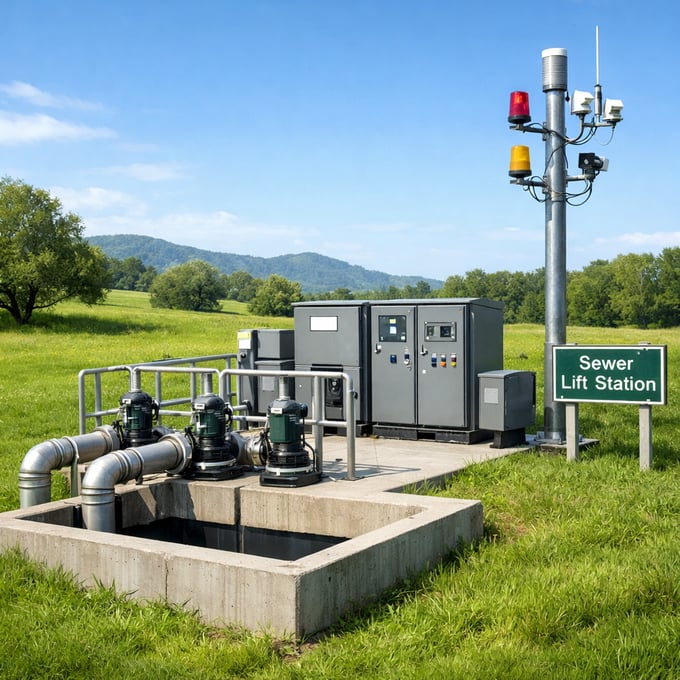
A sewer lift station, also known as a pump station, is a critical piece of infrastructure designed to move wastewater from lower to higher elevations when gravity flow is not possible. These stations are necessary when:
- The terrain doesn't allow for natural gravitational flow
- The sewage needs to be raised to a higher elevation to continue its journey to the treatment plant
- The depth of excavation required for gravity flow would be impractical or cost-prohibitive
Key Components of a Sewer Lift Station
Every sewer lift station consists of several essential components that work together to ensure efficient operation:
| Component | Function |
|---|---|
| Wet Well | Collection point for incoming wastewater |
| Pumps | Mechanical devices that lift wastewater to higher elevations |
| Motors | Power sources that drive the pumps |
| Control System | Manages pump operation and monitoring |
| Alarm System | Alerts operators to potential problems |
| Backup Power | Ensures continuous operation during power outages |
How Does a Sewer Lift Station Work?
The operation of a sewer lift station follows a systematic process:
- Collection: Wastewater flows into the wet well through gravity-fed pipes
- Level Monitoring: Sensors track the water level in the wet well
- Pump Activation: When water reaches a predetermined level, pumps automatically activate
- Transfer: Wastewater is pumped to a higher elevation
- Continuation: The process repeats as more wastewater enters the system
Types of Sewer Lift Stations
Different environments and requirements call for various types of lift stations:
1. Submersible Pump Stations
These stations feature pumps that operate while submerged in the wet well. They're ideal for smaller installations and areas with limited space.
2. Dry Well Stations
These stations house pumps in a separate dry chamber adjacent to the wet well, making maintenance easier but requiring more space.
3. Package Lift Stations
Pre-engineered systems that come as complete units, suitable for smaller applications or temporary installations.
Monitoring and Maintenance Requirements
Proper monitoring and maintenance are crucial for reliable operation. Modern lift stations utilize advanced monitoring systems that provide:
- Real-time performance data
- Early warning of potential problems
- Remote monitoring capabilities
- Historical operation records
The Role of Remote Monitoring Systems
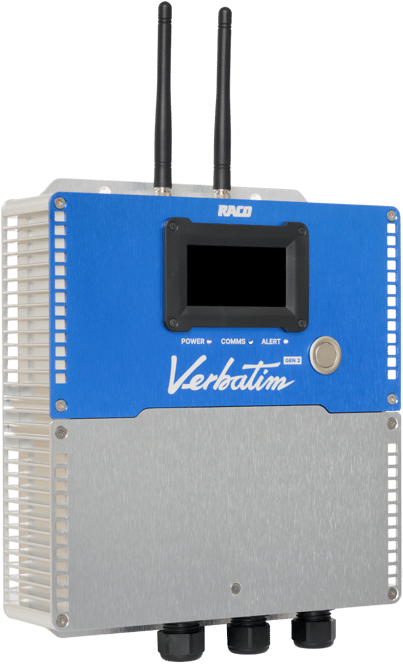
Remote monitoring systems, like RACO's Verbatim Gateway, provide essential oversight of lift station operations. These systems offer:
- 24/7 automated monitoring
- Immediate alarm notifications
- Data logging and reporting
- Remote control capabilities
Common Challenges and Solutions
Sewer lift stations face several operational challenges:
| Challenge | Solution |
|---|---|
| Power Failures | Install backup generators and automated transfer switches |
| Pump Clogs | Implement regular maintenance and install grinder pumps |
| Equipment Failure | Use predictive maintenance and monitoring systems |
| Overflow Risk | Install high-level alarms and overflow prevention systems |
Best Practices for Lift Station Management
To ensure optimal performance and longevity of sewer lift stations:
- Regular Maintenance: Implement comprehensive maintenance schedules
- Staff Training: Ensure operators are properly trained on all equipment
- Documentation: Maintain detailed records of all maintenance and repairs
- Monitoring: Utilize advanced monitoring systems for real-time oversight
- Emergency Planning: Develop and maintain emergency response procedures
The Future of Sewer Lift Stations
The wastewater industry continues to evolve with new technologies and approaches:
- Smart monitoring systems with AI capabilities
- Energy-efficient pump designs
- Advanced materials for longer equipment life
- Integration with smart city infrastructure
Conclusion
Sewer lift stations are vital components of modern wastewater infrastructure. Understanding their operation, maintenance requirements, and monitoring needs is crucial for maintaining public health and environmental safety. With proper management and the implementation of advanced monitoring systems, these facilities can provide reliable service for years to come.
For more information about lift station monitoring solutions, explore RACO's range of alarm monitoring systems designed specifically for wastewater applications.