



Where Does Wastewater Go? A Complete Journey Through Water Treatment
Every time you flush a toilet, run your dishwasher, or watch water spiral down your shower drain, you might wonder: where does wastewater go? The journey of wastewater is a fascinating and complex process that's crucial for public health and environmental protection. As experts in wastewater monitoring and control systems, we'll take you through the complete path of wastewater treatment, from your home to its final destination.
The Initial Journey: From Your Home to the Sewer System
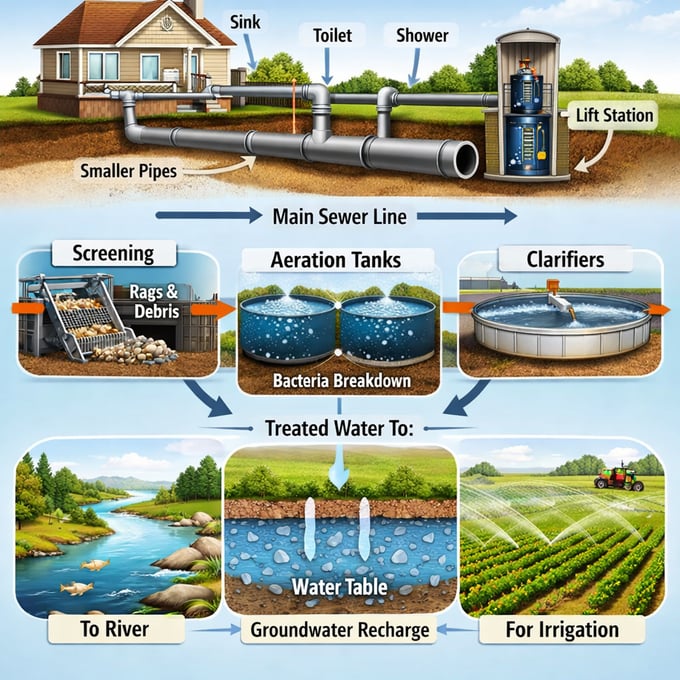
When wastewater leaves your home, it begins its journey through a complex network of pipes and systems. Every drain in your house connects to a single main drainage pipe, which then connects to your local sewer system. This intricate network of underground pipes relies on gravity and pumping stations to keep wastewater flowing toward treatment facilities.
The main components of this initial journey include:
| Component | Function |
|---|---|
| House Sewer Line | Connects home plumbing to municipal sewer system |
| Lateral Lines | Smaller pipes connecting to main sewer lines |
| Main Sewer Lines | Large pipes carrying waste from multiple buildings |
| Lift Stations | Pumping facilities that move waste uphill when needed |
The Treatment Plant Process: Making Wastewater Clean Again
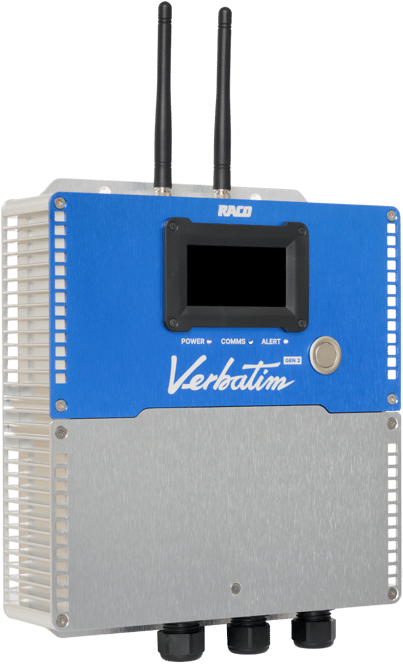
Once wastewater reaches a treatment facility, it undergoes several stages of purification. Modern treatment plants use sophisticated monitoring systems, like RACO's Catalyst and Guard-It systems, to ensure each stage operates efficiently and safely.
Primary Treatment: The First Line of Defense
During primary treatment, wastewater passes through several mechanical processes:
- Screening: Large debris is removed through mechanical screens
- Grit Removal: Sand, gravel, and other heavy materials settle out
- Primary Settling: Remaining solids settle to the bottom while oils float to the top
Secondary Treatment: Biological Processing
The secondary treatment phase employs natural biological processes to further clean the water. This stage removes up to 90% of remaining organic matter through:
- Aeration Tanks: Beneficial bacteria break down organic materials
- Clarifiers: Separate treated water from biological material
- Nutrient Removal: Specific processes target nitrogen and phosphorus
Advanced Treatment: Final Purification
Many modern facilities include advanced treatment processes that further purify the water through:
- Filtration: Removes microscopic particles
- Disinfection: Eliminates harmful bacteria and viruses
- Chemical Treatment: Addresses specific contaminants
The Final Destination: Where Treated Water Goes
After treatment, water follows different paths depending on local regulations and needs:
| Destination | Purpose |
|---|---|
| Rivers and Oceans | Released back into natural water bodies |
| Groundwater Recharge | Replenishes underground aquifers |
| Agricultural Use | Irrigation for crops and landscaping |
| Industrial Reuse | Cooling towers and manufacturing processes |
Monitoring and Control: Ensuring Safe Water Treatment
Modern wastewater treatment facilities rely heavily on advanced monitoring and control systems. RACO's automation solutions play a crucial role in this process by:
- Monitoring flow rates and water quality parameters
- Providing real-time alerts for system anomalies
- Ensuring compliance with environmental regulations
- Managing energy consumption and operational efficiency
Environmental Impact and Sustainability
Proper wastewater treatment is essential for environmental protection. Treatment facilities increasingly focus on sustainability through:
- Energy recovery from biosolids
- Water reuse programs
- Reduced chemical usage
- Implementation of green technologies
Common Challenges in Wastewater Treatment
Treatment facilities face various challenges that require constant monitoring and solutions:
| Challenge | Solution |
|---|---|
| Equipment Failures | Automated monitoring and preventive maintenance |
| Chemical Imbalances | Real-time testing and adjustment systems |
| Weather Events | Storm surge planning and overflow prevention |
| System Overload | Flow monitoring and capacity management |
The Future of Wastewater Treatment
The wastewater treatment industry continues to evolve with new technologies and approaches:
- Advanced automation and AI-driven processes
- Enhanced resource recovery systems
- Smart monitoring networks
- Improved energy efficiency
Conclusion: The Continuous Cycle of Water Treatment
Understanding where wastewater goes helps us appreciate the complex systems and technologies that protect our health and environment. From the moment water leaves our homes until it's safely returned to the environment, numerous processes and controls ensure its proper treatment. As technology advances and environmental concerns grow, the importance of efficient wastewater management becomes increasingly critical.
For more information about wastewater monitoring and control systems, explore RACO's comprehensive solutions for water and wastewater treatment facilities.