

Installing Trashspotting AI Systems: A Complete Guide to Modernizing Recycling Operations


Installing Trashspotting AI Systems: A Complete Guide to Modernizing Recycling Operations
The recycling industry faces unprecedented challenges with contamination rates reaching up to 25% in single-stream recycling systems. As facility operators seek more efficient solutions, trashspotting AI systems have emerged as a game-changing technology that can dramatically improve sorting accuracy and operational efficiency. This comprehensive guide will walk you through everything you need to know about implementing these advanced systems in your recycling facility.
Understanding Trashspotting AI Systems
Trashspotting AI systems combine advanced computer vision, machine learning algorithms, and robotics to identify, sort, and process recyclable materials with unprecedented accuracy. These systems can distinguish between different types of plastics, metals, and other materials in milliseconds, making real-time sorting decisions that would be impossible for human workers.
Key Components of a Trashspotting AI System
| Component | Function | Importance |
|---|---|---|
| High-Resolution Cameras | Material identification and analysis | Critical for accurate sorting |
| AI Processing Unit | Real-time decision making | Core system intelligence |
| Robotic Sorting Arms | Physical material separation | Execution of sorting decisions |
| Remote Monitoring System | Performance tracking and alerts | Essential for maintenance and optimization |
Planning Your Trashspotting AI Installation
Before beginning the installation process, several critical factors must be evaluated to ensure successful implementation:
Facility Assessment
A thorough facility assessment is crucial for determining the optimal placement and configuration of your AI system. Consider:
- Available space and conveyor belt configuration
- Existing sorting equipment integration requirements
- Lighting conditions and environmental factors
- Power supply and network infrastructure needs
Data Infrastructure Requirements
Reliable data communication is essential for trashspotting AI systems. Your facility will need:
- High-speed internet connectivity (minimum 1 Gbps recommended)
- Secure local network infrastructure
- Backup power systems
- Remote monitoring capabilities
Installation Process and Timeline
The installation process typically follows these phases:
Phase 1: Pre-Installation (2-4 weeks)
During this phase, focus on:
- Site preparation and infrastructure upgrades
- Network configuration and testing
- Staff training initiation
- Safety protocol development
Phase 2: Hardware Installation (1-2 weeks)
This phase involves:
- Camera and sensor mounting
- Robotic arm installation
- Control system setup
- Initial calibration
Phase 3: Software Configuration and Testing (2-3 weeks)
Critical activities include:
- AI model training and customization
- Integration testing with existing systems
- Performance optimization
- Staff training completion
Monitoring and Maintenance Requirements
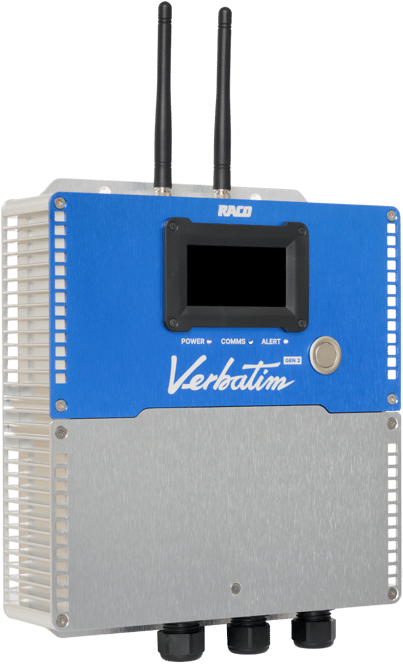
To ensure optimal performance of your trashspotting AI system, implementing a robust monitoring and maintenance program is crucial. RACO Manufacturing & Engineering's remote monitoring solutions can help facility operators maintain peak system performance through:
| Monitoring Aspect | Frequency | Action Required |
|---|---|---|
| System Performance Metrics | Daily | Review sorting accuracy and throughput |
| Equipment Maintenance | Weekly | Inspect and clean sensors/cameras |
| Software Updates | Monthly | Install latest AI model improvements |
| Comprehensive System Audit | Quarterly | Full system performance review |
Integration with Existing Alarm Systems
RACO's alarm autodialers and monitoring systems can seamlessly integrate with trashspotting AI systems to provide immediate notification of system issues or performance degradation. Key integration points include:
- Real-time performance monitoring
- Automated alert systems for maintenance needs
- Remote system diagnostics
- Data logging and reporting capabilities
Cost Considerations and ROI Analysis
When evaluating the investment in a trashspotting AI system, consider these factors:
| Cost Component | Typical Range | ROI Factor |
|---|---|---|
| Hardware | $200,000 - $500,000 | 3-5 years |
| Installation | $50,000 - $100,000 | Included in total ROI |
| Annual Maintenance | $20,000 - $40,000 | Offset by reduced labor costs |
| Software Licensing | $15,000 - $30,000/year | Covered by increased efficiency |
Best Practices for Success
To maximize the benefits of your trashspotting AI system:
- Implement comprehensive staff training programs
- Establish clear performance metrics and monitoring protocols
- Maintain regular communication with system vendors and support teams
- Regularly update and optimize AI models based on facility-specific data
- Integrate with existing facility management systems
Conclusion
Installing a trashspotting AI system represents a significant step forward in recycling facility modernization. With proper planning, implementation, and ongoing maintenance, these systems can dramatically improve sorting accuracy, reduce operational costs, and increase facility efficiency. By partnering with experienced providers like RACO Manufacturing & Engineering for monitoring and alarm systems, facility operators can ensure their AI systems maintain peak performance and deliver maximum value.
Recommended Internal Links:
- Alarm Autodialers for Industrial Applications
- Remote Monitoring Solutions
- Industrial Communication Systems
- Facility Management Technology