

What Step in the Water Treatment Process Involves the Removal of Sediment? A Comprehensive Guide


What Step in the Water Treatment Process Involves the Removal of Sediment? A Comprehensive Guide
In water treatment, sediment removal occurs primarily during the sedimentation stage, which follows coagulation and flocculation. This crucial step typically removes up to 90% of suspended solids from water, making it one of the most important phases in producing clean, safe drinking water. As wastewater treatment experts, we'll explore exactly how this process works and why it's so vital to water quality.
Understanding Sediment in Water Treatment
Before diving into the specific step that removes sediment, it's essential to understand what sediment actually is. Sediment consists of particles that settle at the bottom of a liquid, including:
- Sand and soil particles
- Organic matter
- Industrial waste
- Chemical precipitates
These particles vary in size from visible granules to microscopic particles, each requiring different removal techniques for effective treatment.
The Sedimentation Stage: Primary Sediment Removal
Sedimentation is the main stage where sediment removal occurs. This process takes advantage of gravity and the natural tendency of particles to settle when water movement slows. During sedimentation:
| Process Component | Function | Expected Result |
|---|---|---|
| Settling Basin | Slows water flow | Allows heavier particles to sink |
| Retention Time | Provides sufficient settling period | Enhanced particle separation |
| Collection System | Removes settled particles | Prevents resuspension |
Pre-Treatment Steps That Support Sediment Removal
Several processes work together to enhance sediment removal efficiency:
1. Coagulation
During coagulation, treatment facilities add chemicals called coagulants to the water. These chemicals neutralize the negative charges of suspended particles, allowing them to combine more easily. Common coagulants include:
| Coagulant Type | Application |
|---|---|
| Aluminum sulfate (Alum) | Most common, effective for general use |
| Ferric chloride | Effective in cold water conditions |
| Polymer-based coagulants | Specialized applications |
2. Flocculation
Following coagulation, flocculation involves gentle mixing that encourages particles to collide and form larger, heavier clumps called flocs. This process significantly improves the efficiency of subsequent sediment removal.
Monitoring and Control Systems in Sediment Removal
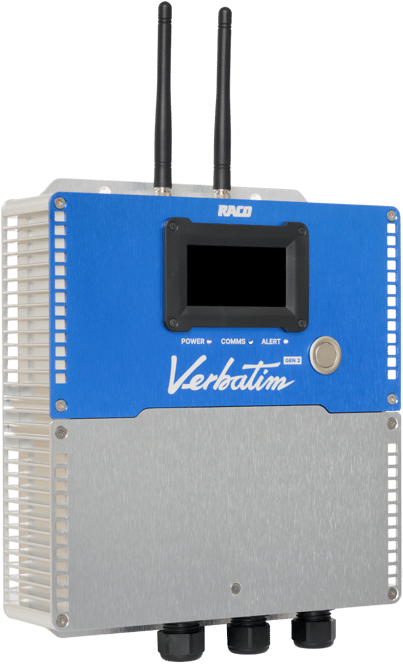
Effective sediment removal requires precise monitoring and control systems. At RACO Manufacturing & Engineering, we understand the critical nature of these systems in maintaining optimal treatment efficiency. Key monitoring parameters include:
- Turbidity levels
- Flow rates
- Settling rates
- Sludge blanket levels
Our alarm monitoring systems play a crucial role in maintaining these parameters within acceptable ranges, ensuring consistent sediment removal performance.
Advanced Sediment Removal Technologies
Modern water treatment facilities often employ advanced technologies to enhance sediment removal:
Plate Settlers
These devices increase the effective settling area without expanding the facility footprint, improving efficiency by up to 60% compared to conventional settling basins.
Dissolved Air Flotation (DAF)
DAF systems introduce fine air bubbles that attach to particles, floating them to the surface for removal. This technology is particularly effective for lighter particles that resist conventional settling.
Impact of Effective Sediment Removal
Proper sediment removal directly affects:
| Aspect | Impact |
|---|---|
| Water Quality | Improved clarity and reduced contamination |
| Treatment Efficiency | Lower chemical usage in subsequent stages |
| Equipment Longevity | Reduced wear on downstream equipment |
| Operating Costs | Decreased maintenance and treatment expenses |
Common Challenges and Solutions
Treatment facilities often face several challenges during sediment removal:
Temperature Variations
Cold water can slow settling rates. Solutions include adjusting retention times and using temperature-specific coagulants.
Flow Rate Fluctuations
Varying input flows can disrupt settling patterns. RACO's monitoring systems help operators maintain optimal flow control through real-time alerts and automated responses.
Best Practices for Optimal Sediment Removal
To maximize sediment removal efficiency:
- Regularly calibrate monitoring equipment
- Maintain proper chemical dosing
- Implement preventive maintenance schedules
- Monitor and adjust for seasonal changes
- Utilize automated alarm systems for parameter monitoring
Conclusion
The sedimentation stage is the primary step in water treatment where sediment removal occurs. This critical process, supported by coagulation and flocculation, forms the foundation of effective water treatment. Understanding and optimizing this stage through proper monitoring and control systems, like those provided by RACO Manufacturing & Engineering, ensures consistent water quality and treatment efficiency.
For more information about monitoring and control systems for water treatment facilities, contact RACO's expert team or explore our range of alarm monitoring solutions designed specifically for the water treatment industry.