

Understanding Ambient Temperature in Wastewater Systems: A Complete Guide to Monitoring and Management


Understanding Ambient Temperature in Wastewater Systems: A Complete Guide to Monitoring and Management
For wastewater treatment facilities, maintaining optimal ambient temperature conditions is crucial for efficient operations and regulatory compliance. As experts in remote monitoring solutions for the wastewater industry, we understand the critical role temperature plays in treatment processes and system performance. This comprehensive guide explores everything facility managers need to know about ambient temperature monitoring, its impacts, and how to implement effective control strategies.
What is Ambient Temperature and Why Does it Matter in Wastewater Treatment?
Ambient temperature refers to the surrounding air temperature in a given environment. In wastewater treatment facilities, this parameter significantly influences biological treatment processes, equipment performance, and overall system efficiency. Understanding and monitoring ambient temperature is essential because:
- Biological treatment processes are temperature-dependent
- Equipment performance can vary with temperature fluctuations
- Worker safety and comfort are affected by ambient conditions
- Energy efficiency is directly related to temperature management
The Impact of Ambient Temperature on Treatment Processes
Temperature variations can significantly affect wastewater treatment effectiveness. Here's how different ambient temperature ranges impact various processes:
| Temperature Range | Impact on Treatment | Operational Considerations |
|---|---|---|
| Below 50°F (10°C) | Reduced bacterial activity | Longer treatment times needed |
| 50-95°F (10-35°C) | Optimal treatment conditions | Standard operations maintained |
| Above 95°F (35°C) | Potential oxygen transfer issues | Additional aeration may be required |
Critical Monitoring Points for Ambient Temperature
Effective temperature monitoring requires strategic sensor placement throughout the facility. Key monitoring points include:
1. Process Areas
Monitor temperature in areas where biological treatment occurs, such as aeration basins and digesters. These locations are particularly sensitive to temperature fluctuations and require consistent monitoring for optimal performance.
2. Equipment Rooms
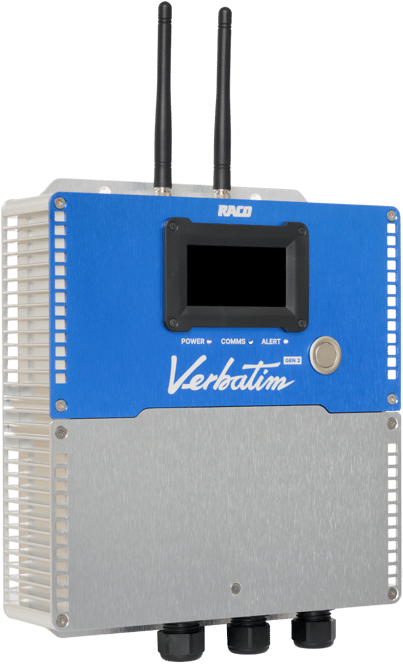
Maintain proper ambient temperature around pumps, blowers, and electrical equipment to prevent overheating and ensure efficient operation. RACO's monitoring systems can provide real-time alerts when temperatures exceed acceptable ranges.
3. Chemical Storage Areas
Temperature monitoring in chemical storage areas is crucial as many treatment chemicals have specific storage temperature requirements for maintaining effectiveness and safety.
Implementing an Effective Temperature Monitoring System
A robust temperature monitoring system should include these essential components:
Remote Monitoring Solutions
RACO's alarm systems provide continuous monitoring and instant notifications when temperature variations occur. Our solutions include:
- AlarmAgent® - Wireless monitoring and alarm notification system
- Catalyst® - Advanced SCADA monitoring platform
- Guard-It® - Simple, reliable alarm monitoring
Temperature Sensors and Calibration
Regular calibration and maintenance of temperature sensors ensure accurate readings and reliable monitoring. Consider these factors when selecting and maintaining sensors:
| Sensor Type | Advantages | Maintenance Requirements |
|---|---|---|
| RTD Sensors | High accuracy, stability | Annual calibration |
| Thermocouples | Wide temperature range | Quarterly checks |
| Digital Sensors | Easy integration | Semi-annual verification |
Best Practices for Temperature Management
Implement these strategies to maintain optimal ambient temperature conditions:
1. Ventilation Control
Proper ventilation systems help regulate ambient temperature while also managing humidity and air quality. Consider automated ventilation controls that respond to temperature changes.
2. Equipment Heat Management
Monitor and manage heat generated by equipment through:
- Regular maintenance schedules
- Proper spacing between heat-generating equipment
- Adequate cooling systems in equipment rooms
3. Data Analysis and Trending
Use RACO's monitoring systems to track temperature patterns and identify potential issues before they become problems. Our systems provide detailed reporting and analysis tools for informed decision-making.
Regulatory Compliance and Documentation
Maintaining proper documentation of ambient temperature monitoring is essential for regulatory compliance. RACO's systems help facilities:
- Generate automated reports for compliance documentation
- Maintain historical temperature data
- Provide audit trails for temperature-related incidents
- Document corrective actions taken
Conclusion: The Value of Comprehensive Temperature Monitoring
Effective ambient temperature monitoring is crucial for wastewater treatment facility operations. By implementing robust monitoring systems and following best practices, facilities can maintain optimal conditions for treatment processes, ensure equipment reliability, and meet regulatory requirements. RACO's monitoring solutions provide the tools needed to achieve these goals efficiently and reliably.
Contact RACO today to learn how our temperature monitoring solutions can enhance your facility's operations and ensure consistent performance regardless of ambient conditions.