

Total Dissolved Solids in Water: A Complete Guide to TDS Measurement, Impact, and Control


Total Dissolved Solids in Water: A Complete Guide to TDS Measurement, Impact, and Control
For wastewater treatment professionals and industrial process managers, understanding and monitoring total dissolved solids (TDS) in water is crucial for maintaining system efficiency and regulatory compliance. This comprehensive guide explores everything you need to know about TDS, from measurement techniques to impact assessment and control strategies.
What Are Total Dissolved Solids (TDS)?
Total dissolved solids represent the total concentration of dissolved substances in water. These substances include both organic and inorganic materials such as:
| Inorganic Substances | Organic Substances |
|---|---|
| - Calcium - Magnesium - Potassium - Sodium - Bicarbonates - Chlorides | - Dissolved organic matter - Proteins - Nutrients - Organic acids - Other organic chemicals |
The Significance of TDS in Water Quality
TDS levels serve as a crucial indicator of water quality across various applications. High TDS concentrations can affect:
- Equipment efficiency and longevity
- Product quality in manufacturing processes
- Environmental compliance requirements
- Treatment system performance
Impact on Industrial Processes
In industrial settings, elevated TDS levels can lead to scaling, corrosion, and reduced equipment efficiency. For example, in cooling towers, high TDS concentrations often result in mineral deposits that decrease heat transfer efficiency and increase maintenance costs.
Measuring Total Dissolved Solids
Several methods exist for measuring TDS in water, each with specific advantages and applications:
1. Gravimetric Method
This laboratory technique involves evaporating a filtered water sample and weighing the remaining residue. While highly accurate, it's time-consuming and requires specialized equipment.
2. Electrical Conductivity Method
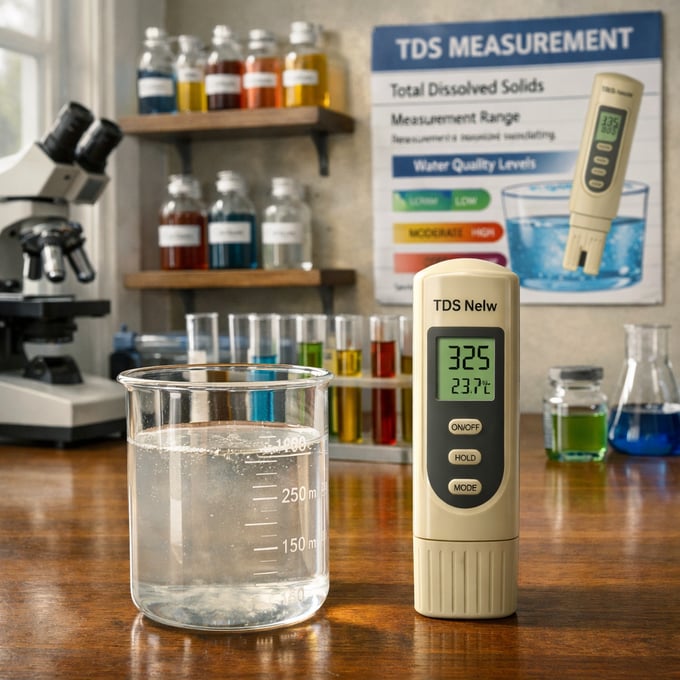
The most common field measurement technique uses electrical conductivity meters to estimate TDS levels. This method provides quick results but requires proper calibration and temperature compensation.
3. Online Monitoring Systems
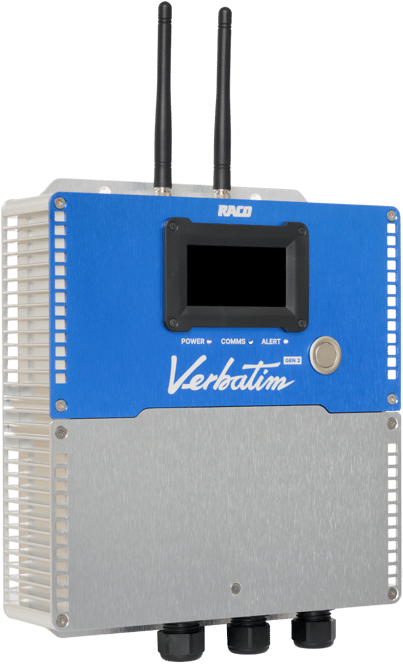
Modern water treatment facilities often employ continuous monitoring systems that provide real-time TDS measurements. These systems, such as RACO's Catalyst and AlarmAgent® monitoring solutions, enable immediate response to TDS fluctuations.
TDS Limits and Regulatory Standards
Different applications have varying acceptable TDS ranges:
| Application | Recommended TDS Range (mg/L) |
|---|---|
| Drinking Water | 500-1000 |
| Industrial Process Water | 100-500 |
| Boiler Feed Water | < 50 |
| Irrigation Water | 450-2000 |
Control Strategies for TDS Management
Prevention and Source Control
Implementing preventive measures can help maintain acceptable TDS levels:
- Regular equipment maintenance and cleaning
- Source water quality monitoring
- Process optimization to minimize dissolved solid accumulation
Treatment Technologies
Various technologies are available for TDS reduction:
| Technology | Effectiveness | Best Application |
|---|---|---|
| Reverse Osmosis | 90-99% removal | High-purity water requirements |
| Ion Exchange | 70-90% removal | Specific ion removal |
| Electrodialysis | 60-85% removal | Brackish water treatment |
Monitoring and Automation Solutions
Effective TDS management requires reliable monitoring systems. RACO's monitoring solutions offer:
- Real-time TDS level monitoring
- Automated alarm notifications
- Data logging and trend analysis
- Remote system access and control
Best Practices for TDS Management
To maintain optimal TDS levels:
- Implement regular monitoring schedules
- Establish clear response protocols for TDS excursions
- Maintain detailed records of TDS measurements and treatments
- Regular calibration of measurement equipment
- Train operators in proper TDS management procedures
Conclusion
Understanding and managing total dissolved solids in water is essential for maintaining efficient operations and meeting regulatory requirements. By implementing proper monitoring systems, like RACO's advanced solutions, and following best practices for TDS control, facilities can optimize their water treatment processes and prevent TDS-related issues.
Recommended Internal Links:
- Water quality monitoring
- Industrial process control
- Wastewater treatment automation
- Remote monitoring systems
- Alarm notification systems