


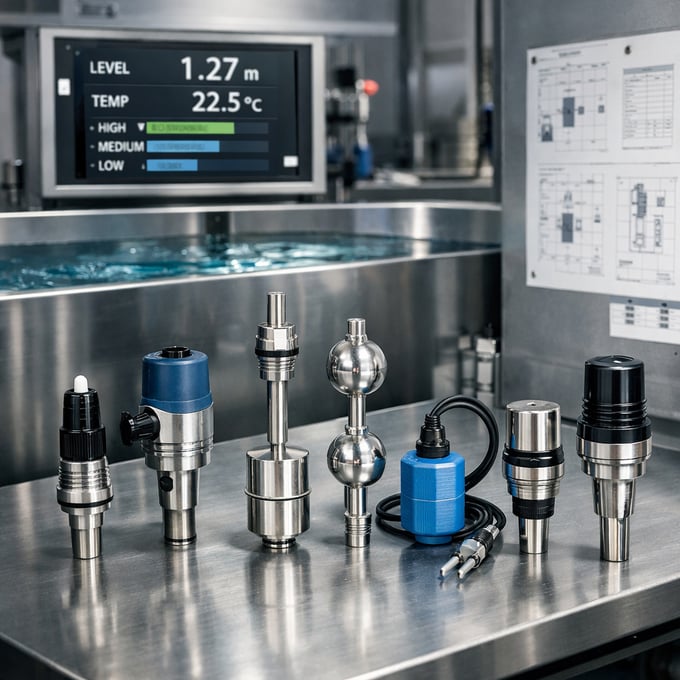
Water Level Switch Guide: Types, Applications & Selection Guide for Industrial Use


Water Level Switch Guide: Types, Applications & Selection Guide for Industrial Use
Maintaining precise liquid level control is crucial across numerous industries, from wastewater management to chemical processing. Water level switches serve as the frontline defenders against overflow conditions and dry-run scenarios that can damage expensive equipment. This comprehensive guide explores everything you need to know about water level switches, their applications, and how to select the right one for your specific needs.
What is a Water Level Switch?
A water level switch is a device designed to detect and respond to specific liquid levels within a tank, well, or container. These essential components automatically monitor liquid levels and can trigger various control actions, such as starting pumps, opening valves, or activating alarms when predetermined levels are reached.
Types of Water Level Switches
Float Switches
Float switches are among the most common and reliable types of water level switches. They operate using a simple mechanical principle: a buoyant float rises and falls with the liquid level, triggering a switch mechanism at specific points.
| Float Switch Type | Best Application | Advantages |
|---|---|---|
| Vertical Float | Deep tanks, wells | Simple installation, reliable operation |
| Horizontal Float | Shallow tanks | Space-efficient, precise control |
| Multi-Point Float | Complex level control | Multiple switching points, versatile |
Conductivity Level Switches
These switches use electrical conductivity to detect liquid presence. They're particularly effective in applications involving conductive liquids like water and chemical solutions.
Optical Level Switches
Using light refraction principles, optical switches offer highly accurate level detection without direct contact with the medium, making them ideal for sanitary applications.
Critical Applications for Water Level Switches
Wastewater Management
In wastewater treatment facilities, water level switches play a vital role in:
- Lift station control and monitoring
- Overflow prevention in collection systems
- Sludge level monitoring in settling tanks
- Process tank level control
Industrial Processing
Manufacturing facilities rely on water level switches for:
- Cooling system management
- Chemical tank monitoring
- Process water control
- Equipment protection
Selection Criteria for Water Level Switches
Environmental Considerations
When selecting a water level switch, consider these environmental factors:
| Factor | Consideration | Impact |
|---|---|---|
| Temperature Range | Operating temperature limits | Switch material selection |
| Chemical Compatibility | Media composition | Switch material durability |
| Pressure Rating | System pressure requirements | Switch design selection |
Technical Requirements
Key technical specifications to consider include:
- Switching point accuracy
- Response time
- Electrical ratings (voltage, current)
- Connection types and mounting options
Installation Best Practices
Proper installation is crucial for optimal performance of water level switches. Follow these guidelines:
Mounting Considerations
Install switches away from turbulence, inflow points, and other sources of disturbance that could affect accuracy. Ensure adequate clearance for float movement and maintenance access.
Wiring Requirements
Use appropriate cable types and ensure proper sealing of electrical connections. Follow manufacturer guidelines for wire routing and protection against environmental factors.
Maintenance and Troubleshooting
Regular maintenance ensures reliable operation of water level switches. Key maintenance tasks include:
| Maintenance Task | Frequency | Purpose |
|---|---|---|
| Visual Inspection | Monthly | Check for physical damage |
| Functional Testing | Quarterly | Verify proper operation |
| Cleaning | As needed | Remove buildup/debris |
Integration with Control Systems
Modern water level switches can integrate with various control systems, including:
- SCADA systems
- PLC controllers
- Remote monitoring systems
- Alarm systems
Safety Considerations
When working with water level switches, consider these safety aspects:
- Electrical safety during installation and maintenance
- Proper grounding and isolation
- Hazardous location requirements
- Backup systems for critical applications
Conclusion
Selecting and implementing the right water level switch is crucial for efficient and safe operation of water management systems. By considering the factors outlined in this guide, you can make an informed decision that meets your specific application requirements while ensuring reliable performance and longevity.
For expert guidance on selecting and implementing water level switches for your specific application, contact RACO Manufacturing & Engineering. Our team of specialists can help you choose the right solution for your needs.


