

Water Switch Guide: Everything You Need to Know About Liquid Level Controls


Water Switch Guide: Everything You Need to Know About Liquid Level Controls
When it comes to managing water levels in tanks, wells, or treatment facilities, a water switch serves as your first line of defense against overflow, equipment damage, and process inefficiencies. As experts in liquid level monitoring solutions, we'll guide you through everything you need to know about water switches, from basic functionality to advanced applications.
What Is a Water Switch?
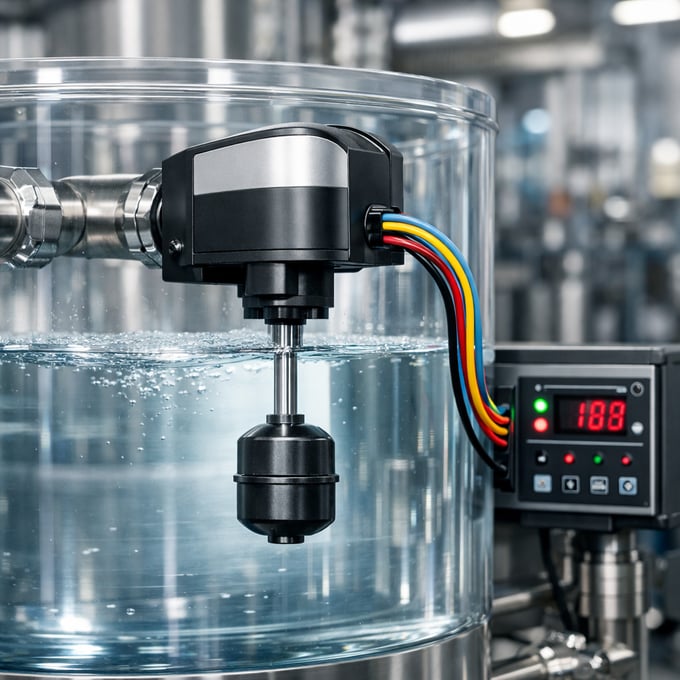
A water switch, also known as a liquid level switch or float switch, is a device designed to detect and respond to specific water levels in tanks, wells, or other containers. These essential components automatically control pumps, alarms, or other equipment based on predetermined water levels.
Key Components of a Water Switch
Understanding the basic components helps facility managers make informed decisions about their level control needs:
| Component | Function |
|---|---|
| Float Mechanism | Rises and falls with liquid level |
| Switch Assembly | Converts mechanical movement to electrical signal |
| Housing | Protects internal components from environment |
| Mounting Hardware | Secures switch to tank or vessel |
Types of Water Switches
Several varieties of water switches exist, each suited for specific applications:
1. Float Switches
The most common type, float switches use buoyancy to detect liquid levels. They're reliable, cost-effective, and suitable for most applications. The RACO FloatPak series exemplifies this technology with its robust design and versatile mounting options.
2. Conductivity Probes
These switches detect water presence through electrical conductivity, ideal for applications requiring precise level detection without moving parts.
3. Optical Switches
Using light refraction principles, optical switches offer high accuracy and are perfect for clean water applications where contamination must be avoided.
Applications of Water Switches
Water switches play crucial roles across various industries:
Wastewater Treatment
In wastewater facilities, water switches control pump operations, prevent overflow conditions, and maintain optimal treatment levels. They're essential components in:
- Lift stations - Settling tanks - Chemical treatment systems - Sludge handling equipmentMunicipal Water Systems
Cities rely on water switches to manage their water infrastructure:
- Storage tank level monitoring - Distribution system pressure management - Treatment plant process control - Pump station automationInstallation Best Practices
Proper installation ensures reliable operation and extended service life:
Location Considerations
Install switches where they can freely operate without interference from:
- Tank walls or internal structures - Incoming flow turbulence - Debris accumulation zones - Areas with excessive vibrationMounting Guidelines
Follow these essential mounting practices:
1. Ensure proper clearance for float movement 2. Use appropriate mounting hardware for your application 3. Consider future maintenance access requirements 4. Install backup switches for critical applicationsMaintenance and Troubleshooting
Regular maintenance ensures reliable operation and prevents system failures:
| Maintenance Task | Frequency | Purpose |
|---|---|---|
| Visual Inspection | Monthly | Check for physical damage or debris |
| Operation Test | Quarterly | Verify switch activation and response |
| Cleaning | Semi-annually | Remove buildup and contamination |
| Full System Check | Annually | Comprehensive performance verification |
Advanced Features and Integration
Modern water switches offer sophisticated capabilities when integrated with control systems:
Remote Monitoring
RACO's advanced monitoring solutions allow operators to:
- Receive real-time level alerts - Track historical level data - Generate performance reports - Manage multiple locations centrallySmart System Integration
Integration with SCADA and other control systems enables:
- Automated process control - Predictive maintenance - Energy optimization - Compliance reportingSelecting the Right Water Switch
Consider these factors when choosing a water switch:
| Factor | Considerations |
|---|---|
| Application Environment | Temperature, pressure, chemical exposure |
| Liquid Properties | Viscosity, corrosiveness, solids content |
| Required Accuracy | Switching point precision needs |
| Safety Requirements | Hazardous location ratings, backup systems |
Future Trends in Water Switch Technology
The water switch industry continues to evolve with innovations in:
- IoT integration capabilities - Advanced materials for harsh environments - Self-diagnostic features - Energy-efficient designsConclusion
Water switches remain fundamental components in liquid level control systems, offering reliable operation and essential protection for water and wastewater applications. By understanding their types, applications, and maintenance requirements, facility managers can make informed decisions about their level control needs.
For expert guidance on selecting and implementing the right water switch solution for your application, contact RACO's technical support team. Our specialists can help you design a system that meets your specific requirements while ensuring long-term reliability and performance.