

What Is a Sewage Lift Station for Residential Properties? A Complete Guide


What Is a Sewage Lift Station for Residential Properties? A Complete Guide
If you're a homeowner dealing with sewage management challenges or building a new home, understanding residential sewage lift stations is crucial. These vital systems help move wastewater from lower to higher elevations when gravity alone won't do the job. In this comprehensive guide, we'll explore everything you need to know about residential sewage lift stations, from their basic function to maintenance requirements.
Understanding Residential Sewage Lift Stations: The Basics
A residential sewage lift station is an engineered system that pumps wastewater from a lower elevation to a higher one when gravitational flow isn't possible. Think of it as an elevator for your home's wastewater. These systems are essential when your home's plumbing fixtures are located below the main sewer line level or when the municipal sewer connection point is situated uphill from your property.
Key Components of a Residential Lift Station
Every residential sewage lift station consists of several crucial components working together:
| Component | Function |
|---|---|
| Wet Well | Collection basin for wastewater storage before pumping |
| Submersible Pumps | Mechanical devices that move the wastewater upward |
| Control Panel | Electronic system managing pump operation and monitoring |
| Float Switches | Sensors that activate/deactivate pumps based on water levels |
| Alarm System | Alerts homeowners to potential system issues |
When Do You Need a Residential Sewage Lift Station?
Several situations might require installing a sewage lift station:
- Basement bathrooms or laundry facilities below the main sewer line
- Properties located downhill from the municipal sewer connection
- Home additions that can't achieve proper drainage slope
- Septic system conversions to municipal sewer connections
Benefits of Modern Residential Lift Stations
Today's residential sewage lift stations offer numerous advantages:
1. Reliable Operation
Modern lift stations utilize advanced pump technology and sophisticated control systems for dependable performance. RACO's alarm monitoring solutions ensure immediate notification of any system issues, preventing costly backups and failures.
2. Energy Efficiency
Contemporary pumps are designed to minimize power consumption while maintaining optimal performance. Variable frequency drives adjust pump speed based on demand, reducing energy costs.
3. Smart Monitoring Capabilities
Integration with remote monitoring systems allows homeowners to track system performance and receive instant alerts about potential problems through their smartphones or computers.
Installation Considerations
Installing a residential sewage lift station requires careful planning and professional expertise:
Location Requirements
The installation site must be:
- Easily accessible for maintenance
- Protected from flooding
- Properly ventilated
- Away from living spaces to minimize noise and odors
Sizing and Capacity
Proper sizing is crucial for effective operation. Factors affecting size include:
| Factor | Consideration |
|---|---|
| Home Size | Number of bathrooms and water-using appliances |
| Peak Usage | Maximum expected simultaneous water usage |
| Future Needs | Potential home additions or increased usage |
Maintenance Requirements
Regular maintenance is essential for reliable operation and long system life:
Daily Monitoring
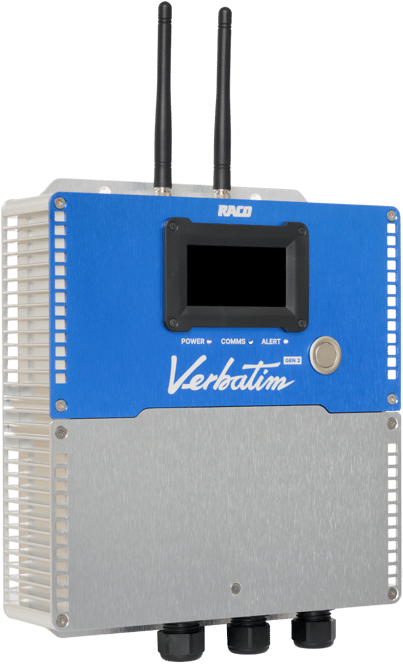
Implement automated monitoring systems like RACO's Verbatim alarm autodialers to track:
- Pump operation status
- Water levels
- Power consumption patterns
- Alarm conditions
Regular Maintenance Tasks
Schedule these maintenance activities:
| Frequency | Task |
|---|---|
| Monthly | Visual inspection and cleaning of float switches |
| Quarterly | Check and clean pump impellers |
| Annually | Professional system inspection and testing |
| As Needed | Pump replacement (typically every 7-10 years) |
Troubleshooting Common Issues
Understanding common problems helps maintain system reliability:
Warning Signs to Watch For
Be alert to these indicators of potential problems:
- Unusual noises from the pump
- Frequent cycling
- Slow drainage
- Odors around the lift station
Cost Considerations
Understanding the financial aspects of a residential lift station is crucial:
Initial Investment
| Component | Approximate Cost Range |
|---|---|
| Basic System Installation | $2,000 - $5,000 |
| Advanced System with Monitoring | $5,000 - $10,000 |
| Professional Installation | $1,500 - $3,000 |
Conclusion
A residential sewage lift station is a crucial investment for homes requiring wastewater management solutions beyond traditional gravity systems. While the initial cost and maintenance requirements may seem daunting, the long-term benefits of reliable sewage management make it worthwhile. By choosing quality components and implementing proper monitoring systems like RACO's alarm solutions, homeowners can ensure their lift stations operate efficiently and reliably for years to come.
Recommended Internal Links:
- Sewage pump monitoring systems
- Wastewater alarm systems
- Remote monitoring solutions
- Lift station control panels
- Pump station alarms