

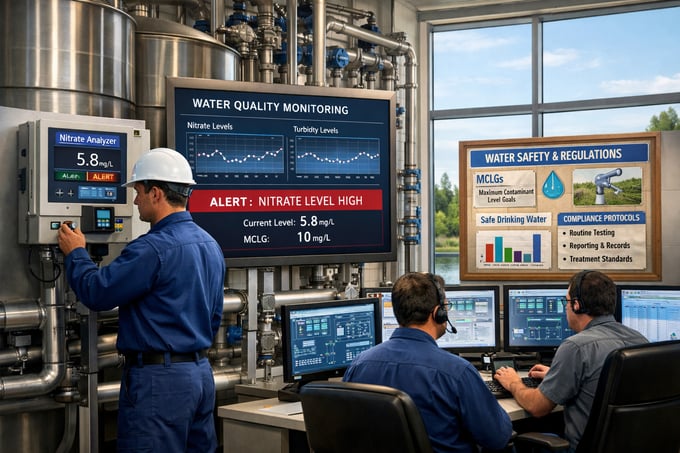


MCLG: Understanding Maximum Contaminant Level Goals in Water Treatment
In the complex world of water quality management and treatment, MCLG stands as a crucial benchmark for ensuring public health safety. As water treatment professionals, understanding MCLGs (Maximum Contaminant Level Goals) is essential for maintaining compliance and protecting community health. This comprehensive guide will explore what MCLGs are, their significance in water treatment, and how they impact daily operations.
What is MCLG? A Clear Definition
An MCLG, or Maximum Contaminant Level Goal, is the level of a contaminant in drinking water below which there is no known or expected risk to health. MCLGs allow for a margin of safety and are non-enforceable public health goals. These standards are set by the Environmental Protection Agency (EPA) as part of the Safe Drinking Water Act.
MCLG vs. MCL: Understanding the Difference
While often confused, MCLGs and MCLs (Maximum Contaminant Levels) serve different purposes in water quality management:
| Characteristic | MCLG | MCL |
|---|---|---|
| Enforcement | Non-enforceable | Legally enforceable |
| Purpose | Health goal | Regulatory standard |
| Consideration factors | Pure health-based | Health, cost, and technical feasibility |
How MCLGs Impact Water Treatment Operations
Water treatment facilities must consider MCLGs when designing and implementing their treatment processes. These goals influence several operational aspects:
1. Treatment Process Design
Engineers and operators use MCLGs as reference points when designing treatment systems. While aiming to achieve these ideal levels, facilities must implement practical solutions that consider:
- Treatment technology capabilities - Cost-effectiveness - Operational efficiency - Local water quality conditions2. Monitoring and Control Systems
Effective monitoring is crucial for tracking contaminant levels against MCLGs. Modern water treatment facilities employ sophisticated monitoring solutions, including:
- Real-time analyzers and sensors
- SCADA systems for continuous monitoring
- Automated alarm systems for level violations
- Remote monitoring capabilities
Common Contaminants and Their MCLGs
The EPA has established MCLGs for various contaminants. Here are some common examples:
| Contaminant | MCLG | Potential Health Effects |
|---|---|---|
| Lead | Zero | Developmental issues, kidney problems |
| Mercury | Zero | Kidney damage |
| Copper | 1.3 mg/L | Gastrointestinal distress |
Best Practices for MCLG Compliance Monitoring
To effectively monitor and work toward MCLGs, treatment facilities should implement these best practices:
1. Implement Comprehensive Monitoring Systems
Modern water treatment facilities require robust monitoring solutions that include:
- Advanced telemetry systems - Real-time data collection - Automated reporting capabilities - Remote monitoring access2. Establish Clear Communication Protocols
Effective communication is essential for MCLG monitoring and response. This includes:
- Regular reporting procedures - Emergency response protocols - Stakeholder notification systems - Public communication strategiesThe Role of Automation in Meeting MCLGs
Automation plays a crucial role in helping facilities work toward MCLGs. Modern systems offer:
1. Real-time Monitoring and Control
Advanced automation systems provide:
- Continuous monitoring of contaminant levels - Automatic adjustments to treatment processes - Immediate alerts for potential violations - Data logging and trend analysis2. Predictive Analytics
Modern treatment facilities use predictive analytics to:
- Anticipate potential contamination issues - Optimize treatment processes - Reduce operational costs - Improve compliance ratesRecommended Monitoring Equipment
To effectively track progress toward MCLGs, facilities should consider implementing:
| Equipment Type | Purpose | Benefits |
|---|---|---|
| Online Analyzers | Continuous monitoring | Real-time data, immediate response |
| SCADA Systems | Process control | Centralized monitoring, automated control |
| Alarm Systems | Alert notification | Quick response to violations |
Future Trends in MCLG Monitoring
The future of MCLG monitoring is evolving with technology. Key trends include:
- Integration of AI and machine learning - Advanced sensor technologies - Cloud-based monitoring solutions - Enhanced data analytics capabilitiesConclusion
Understanding and working toward MCLGs is crucial for water treatment professionals. While these goals may not be legally enforceable, they provide essential benchmarks for protecting public health. By implementing proper monitoring systems, utilizing advanced automation, and following best practices, facilities can work effectively toward these important public health goals.
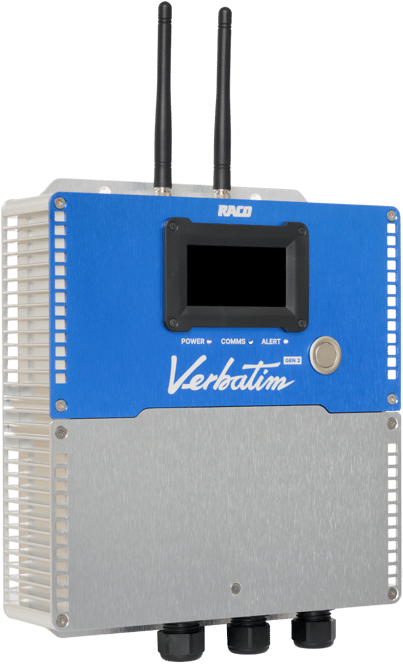
For more information about implementing effective monitoring solutions for MCLG compliance, contact RACO Manufacturing & Engineering. Our expertise in alarm monitoring and automation can help your facility maintain optimal performance while working toward these crucial water quality goals.