

Understanding Ambient Temperature Range in Industrial Alarm Systems: A Complete Guide


Understanding Ambient Temperature Range in Industrial Alarm Systems: A Complete Guide
When it comes to protecting critical infrastructure in water and wastewater facilities, understanding the ambient temperature range of your alarm systems isn't just a technical specification – it's a crucial factor that can mean the difference between reliable operation and system failure. As experts in industrial alarm systems since 1948, we at RACO Manufacturing & Engineering know that temperature considerations directly impact the performance and longevity of monitoring equipment.
What is Ambient Temperature Range?
Ambient temperature range refers to the span of temperatures in which electronic equipment can operate safely and effectively. For industrial alarm systems, this range must account for both extreme cold and heat conditions, as these systems often need to function reliably in challenging environments like pump stations, treatment plants, and remote monitoring locations.
| Temperature Classification | Temperature Range | Typical Applications |
|---|---|---|
| Standard Industrial | -4°F to 140°F (-20°C to 60°C) | Indoor installations, controlled environments |
| Extended Industrial | -40°F to 158°F (-40°C to 70°C) | Outdoor installations, harsh environments |
| Extreme Industrial | -58°F to 185°F (-50°C to 85°C) | Specialized applications, extreme conditions |
Why Ambient Temperature Range Matters in Alarm Systems
The ambient temperature range of industrial alarm systems directly affects several critical aspects of operation:
1. System Reliability
Electronic components perform differently at various temperatures. Operating outside the specified ambient temperature range can lead to:
- Reduced accuracy in sensor readings - Intermittent communication failures - Shortened component lifespan - Complete system shutdown2. Safety Compliance
Many industries must meet specific safety standards and regulations. Equipment operating outside its rated temperature range may fail to meet these requirements, potentially leading to:
- Regulatory violations - Insurance complications - Increased liability risks - Compromised facility safetyKey Considerations for Ambient Temperature Range
Environmental Factors
When selecting an alarm system, consider these environmental influences on ambient temperature:
| Factor | Impact | Mitigation Strategy |
|---|---|---|
| Direct Sunlight | Can increase equipment temperature by 20°F or more | Install sun shields or choose shaded locations |
| Enclosure Type | Affects heat dissipation and cold protection | Select appropriate NEMA-rated enclosures |
| Ventilation | Influences heat buildup | Install cooling fans or heating elements as needed |
RACO's Approach to Temperature Management
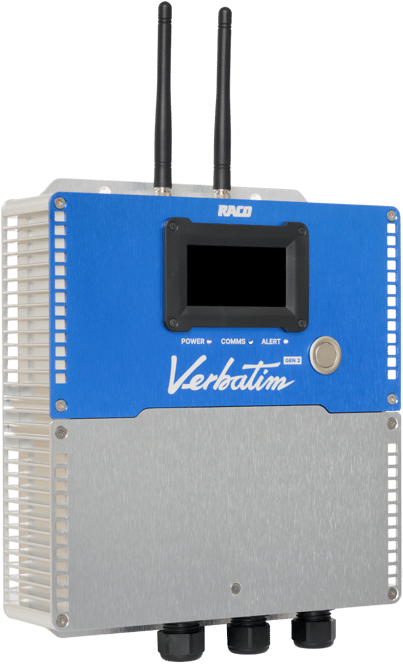
At RACO, our alarm systems are engineered to maintain reliable operation across wide temperature ranges. For example, our Verbatim Gateway system features:
- Industrial-grade components rated for extended temperature ranges - Temperature-compensated circuits for consistent performance - Robust enclosure designs that help regulate internal temperatures - Optional heating and cooling accessories for extreme environmentsBest Practices for Temperature Management
Installation Considerations
To maximize the effectiveness of your alarm system's ambient temperature range:
1. Location Selection - Choose installation sites away from direct heat sources - Consider natural airflow patterns - Account for seasonal temperature variations 2. Enclosure Options - Select appropriate NEMA ratings for your environment - Consider double-wall enclosures for extreme conditions - Implement proper sealing and insulation 3. Monitoring Solutions - Install temperature monitoring devices - Set up alerts for approaching temperature limits - Maintain historical temperature data for analysisTemperature-Related Challenges and Solutions
| Challenge | Impact | RACO Solution |
|---|---|---|
| Cold Weather Operation | Battery performance degradation | Temperature-compensated charging systems |
| Heat Management | Component stress and failure | Advanced thermal management design |
| Temperature Fluctuations | Condensation and corrosion | Moisture-resistant enclosures and coatings |
Future Considerations
As climate patterns become more extreme, considering ambient temperature range in alarm system selection becomes increasingly critical. RACO continues to innovate with:
- Advanced materials for better temperature tolerance - Smart temperature management systems - Improved energy efficiency in temperature control - Enhanced monitoring and predictive maintenance capabilitiesConclusion
Understanding and properly accounting for ambient temperature range is essential for maintaining reliable alarm system operation in water and wastewater facilities. RACO's expertise in designing and manufacturing industrial alarm systems ensures that our products meet the demanding temperature requirements of various applications while maintaining consistent performance and reliability.
For expert guidance on selecting the right alarm system for your specific temperature requirements, contact RACO's technical support team or explore our range of industrial alarm solutions.