

CO Sensor Technology in Wastewater Treatment: A Comprehensive Guide to Safety and Efficiency


CO Sensor Technology in Wastewater Treatment: A Comprehensive Guide to Safety and Efficiency
Carbon monoxide (CO) poses a serious threat in wastewater treatment facilities, making reliable CO sensor systems essential for worker safety and operational efficiency. As a silent killer that claims hundreds of lives annually, CO detection in wastewater environments requires sophisticated monitoring solutions that can withstand harsh conditions while providing accurate, real-time data.
Understanding CO Hazards in Wastewater Treatment
Wastewater treatment plants face unique challenges when it comes to CO monitoring. The gas can accumulate in confined spaces, maintenance holes, and treatment areas, often resulting from biological decomposition processes or equipment emissions. Understanding these risks is crucial for implementing effective monitoring strategies.
| CO Concentration (PPM) | Effects on Human Health | Required Response |
|---|---|---|
| 35 | Maximum exposure for 8 hours | Monitor closely |
| 200 | Mild headache within 2-3 hours | Immediate ventilation required |
| 800 | Dizziness, nausea within 45 minutes | Immediate evacuation |
| 1600 | Death within 1 hour | Emergency response needed |
Essential Features of Modern CO Sensors
Today's CO sensors must incorporate several critical features to function effectively in wastewater environments:
1. Environmental Resistance
Wastewater facilities present challenging conditions including high humidity, corrosive gases, and varying temperatures. Modern CO sensors need robust construction with:
- IP67 or higher protection rating - Corrosion-resistant materials - Temperature compensation systems - Humidity-resistant components2. Real-time Monitoring Capabilities
Advanced CO sensors should provide continuous monitoring with:
- Instant alert systems - Data logging capabilities - Remote monitoring options - Integration with SCADA systems3. Calibration and Maintenance
Regular calibration ensures accurate readings and reliable performance. Key considerations include:
- Automatic calibration features - Easy-to-follow maintenance procedures - Clear indication of calibration status - Documentation of calibration historyIntegration with Alarm Systems
A CO sensor is only as effective as its ability to communicate danger. Modern systems should integrate with multiple alarm types:
| Alarm Type | Purpose | Response Time |
|---|---|---|
| Local Visual | Immediate on-site warning | Instantaneous |
| Audible | Alert workers in vicinity | Instantaneous |
| Remote Notification | Alert off-site personnel | Within seconds |
| SCADA Integration | System-wide monitoring | Real-time |
RACO's Advanced CO Monitoring Solutions
RACO Manufacturing & Engineering provides state-of-the-art CO monitoring solutions specifically designed for wastewater applications. Our systems feature:
AlarmAgent®
This advanced monitoring system provides:
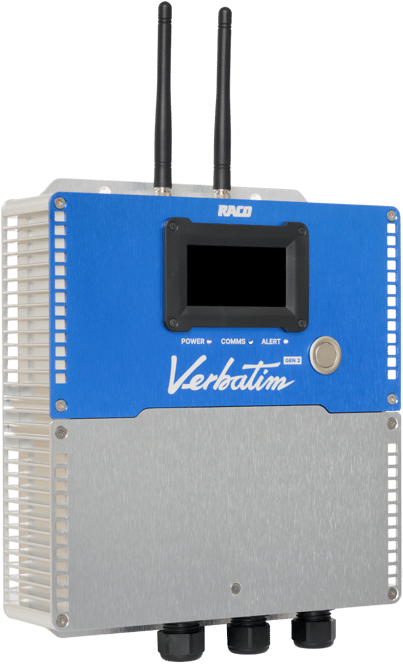
- 24/7 remote monitoring capabilities - Instant notifications via phone, email, or text - Cloud-based data storage and analysis - Integration with existing SCADA systemsVerbatim Gateway
Our premier monitoring solution offers:
- Multiple sensor input capabilities - Advanced data logging - Customizable alarm parameters - Remote programming optionsBest Practices for CO Sensor Implementation
Successful CO monitoring requires careful planning and implementation:
1. Sensor Placement
Strategic placement is crucial for effective monitoring. Consider:
- Areas with poor ventilation - Confined spaces - High-risk work zones - Emergency exit routes2. Maintenance Schedule
Regular maintenance ensures reliable operation:
- Monthly visual inspections - Quarterly calibration checks - Annual comprehensive testing - Documentation of all maintenance activitiesFuture Trends in CO Sensor Technology
The field of CO detection continues to evolve with emerging technologies:
- IoT integration for enhanced connectivity - AI-powered predictive maintenance - Advanced data analytics capabilities - Improved sensor longevity and accuracyRegulatory Compliance and Standards
CO sensors must meet various regulatory requirements:
- OSHA standards for workplace safety - EPA guidelines for environmental monitoring - Local municipality regulations - Industry-specific standardsConclusion
Implementing effective CO sensor systems is crucial for wastewater treatment facility safety and efficiency. By choosing the right technology and following proper implementation procedures, facilities can ensure worker safety while maintaining operational excellence.