

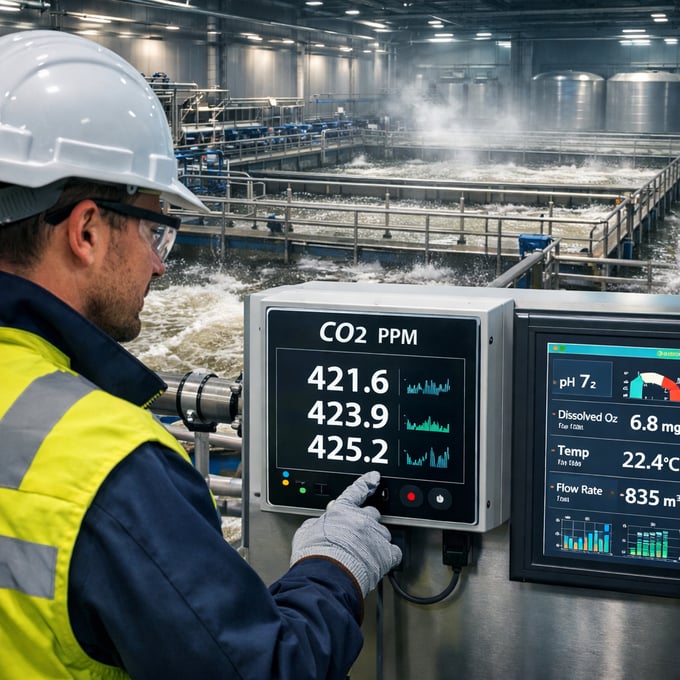
CO2 PPM Sensors: Essential Monitoring Tools for Wastewater Treatment Efficiency


CO2 PPM Sensors: Essential Monitoring Tools for Wastewater Treatment Efficiency
In modern wastewater treatment facilities, maintaining optimal process control requires precise monitoring of various parameters, including carbon dioxide (CO2) levels. CO2 PPM sensors have become indispensable tools for ensuring treatment efficiency and regulatory compliance. This comprehensive guide explores how these sensors work, their critical applications in wastewater treatment, and best practices for implementation.
Understanding CO2 PPM Sensors in Wastewater Treatment
CO2 PPM sensors measure the concentration of carbon dioxide in parts per million, providing crucial data for monitoring biological processes in wastewater treatment. These sophisticated instruments use various detection methods, including:
| Detection Method | Operating Principle | Key Benefits |
|---|---|---|
| Non-dispersive Infrared (NDIR) | Measures CO2 absorption of infrared light | High accuracy, long-term stability |
| Electrochemical | Chemical reaction generates electrical signal | Cost-effective, compact design |
| Photoacoustic | Measures acoustic waves from CO2 absorption | High precision, minimal drift |
Critical Applications in Wastewater Treatment
CO2 PPM sensors serve multiple essential functions in wastewater treatment operations:
1. Biological Process Monitoring
In activated sludge processes, CO2 levels indicate microbial activity and treatment effectiveness. Higher CO2 concentrations often suggest increased biological activity, while sudden changes may signal process disruptions requiring immediate attention.
2. Aeration System Optimization
By monitoring CO2 levels, operators can fine-tune aeration systems to achieve optimal oxygen transfer rates while minimizing energy consumption. This optimization can lead to significant cost savings and improved treatment efficiency.
3. Process Control Automation
Integration of CO2 PPM sensors with SCADA systems enables automated process control adjustments, ensuring consistent treatment quality while reducing operator workload.
Selecting the Right CO2 PPM Sensor
When choosing a CO2 PPM sensor for wastewater applications, consider these crucial factors:
Measurement Range
Most wastewater treatment applications require sensors capable of measuring CO2 concentrations between 0-10,000 PPM. However, specific processes may require different ranges based on their particular requirements.
Environmental Conditions
Sensors must withstand harsh wastewater treatment environments, including:
- High humidity levels - Presence of corrosive gases - Temperature fluctuations - Exposure to chemicals and cleaning agentsAccuracy and Response Time
Look for sensors offering accuracy within ±2% of full scale and response times under 30 seconds for optimal process control.
Integration with Alarm Systems
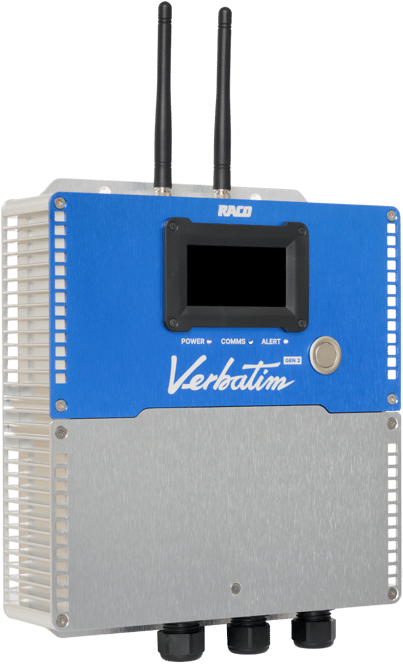
RACO Manufacturing's alarm systems can be seamlessly integrated with CO2 PPM sensors to provide real-time monitoring and alert capabilities. This integration offers several advantages:
| Feature | Benefit |
|---|---|
| Remote Monitoring | 24/7 oversight of CO2 levels from any location |
| Automated Alerts | Immediate notification when CO2 levels exceed predetermined thresholds |
| Data Logging | Historical trend analysis and regulatory compliance documentation |
| Custom Programming | Tailored alert protocols based on facility-specific requirements |
Maintenance and Calibration Best Practices
To ensure reliable operation of CO2 PPM sensors:
Regular Calibration
Perform calibration checks at least quarterly using certified calibration gases. Document all calibration activities for regulatory compliance.
Preventive Maintenance
Establish a routine maintenance schedule including:
- Weekly sensor inspection - Monthly cleaning of sensor elements - Quarterly verification of electrical connections - Annual replacement of wear componentsFuture Trends in CO2 PPM Monitoring
The wastewater treatment industry is seeing exciting developments in CO2 monitoring technology:
Smart Sensors
Next-generation CO2 PPM sensors incorporate artificial intelligence and machine learning capabilities for predictive maintenance and enhanced accuracy.
Wireless Integration
Advanced wireless connectivity options enable easier installation and more flexible monitoring solutions.
Conclusion
CO2 PPM sensors are vital tools for modern wastewater treatment facilities, providing essential data for process control and optimization. When combined with RACO Manufacturing's advanced alarm systems, these sensors create a powerful monitoring solution that ensures treatment efficiency and regulatory compliance.
Recommended Internal Links:
- Wastewater Treatment Monitoring Systems - SCADA Integration Solutions - Remote Monitoring Solutions - Alarm Notification Systems - Industrial Process ControlContact RACO Manufacturing today to learn how our alarm systems can enhance your CO2 monitoring capabilities and improve your wastewater treatment operations.