

Coagulation in Water Treatment: A Comprehensive Guide to Process, Methods, and Best Practices


Coagulation in Water Treatment: A Comprehensive Guide to Process, Methods, and Best Practices
In the complex world of water treatment, coagulation stands as a cornerstone process that transforms murky, contaminated water into clean, safe drinking water. This critical step removes suspended particles, organic matter, and other contaminants that can make water unsafe for consumption. Understanding coagulation in water treatment is essential for plant operators, engineers, and anyone involved in water quality management.
Understanding the Basics of Coagulation in Water Treatment
Coagulation is a chemical process that destabilizes suspended particles in water, allowing them to combine and form larger particles called flocs. These flocs are easier to remove through subsequent treatment processes like sedimentation and filtration. The process is fundamental to achieving clean, safe drinking water and meeting regulatory requirements.
The Science Behind Coagulation
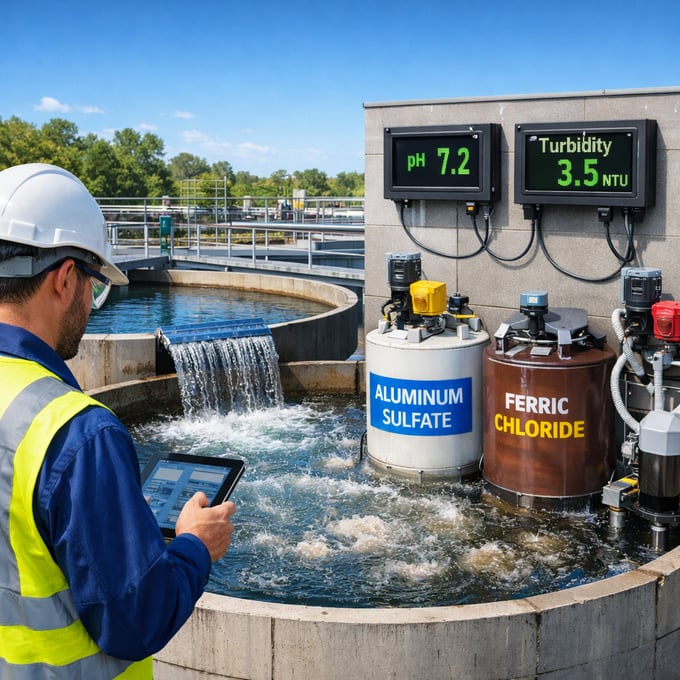
At its core, coagulation works by neutralizing the negative charges of suspended particles in water. Most particles in water carry a negative surface charge, causing them to repel each other and remain suspended. Coagulants, typically positively charged chemicals, neutralize these charges, allowing particles to come together.
| Common Coagulants | Chemical Formula | Primary Applications |
|---|---|---|
| Aluminum Sulfate (Alum) | Al2(SO4)3 | Municipal water treatment |
| Ferric Chloride | FeCl3 | Industrial wastewater treatment |
| Polyaluminum Chloride (PAC) | Al2(OH)nCl6-n | Cold water treatment |
The Coagulation Process in Detail
The coagulation process involves several distinct stages, each crucial for effective water treatment:
1. Chemical Addition and Rapid Mixing
Coagulant chemicals are introduced to the water through precise dosing systems. Rapid mixing ensures uniform distribution of the coagulant throughout the water. This stage typically takes 1-3 minutes and requires specific mixing energy to optimize the process.
2. Flocculation
Following rapid mixing, gentle agitation allows the destabilized particles to collide and form larger flocs. This stage typically takes 15-45 minutes, depending on water quality and treatment goals.
3. Sedimentation
The formed flocs settle to the bottom of sedimentation basins, separating from the clearer water above. This process can take several hours and is critical for removing the majority of suspended solids.
Monitoring and Control Systems in Coagulation
Effective coagulation requires precise monitoring and control systems to maintain optimal performance. Modern water treatment plants employ sophisticated automation and monitoring equipment to ensure consistent results.
Key Parameters to Monitor:
| Parameter | Optimal Range | Impact on Process |
|---|---|---|
| pH | 5.5-7.5 | Affects coagulant effectiveness |
| Turbidity | < 1 NTU (finished water) | Indicates treatment efficiency |
| Temperature | Varies by season | Influences reaction rates |
Automation Solutions for Coagulation Control
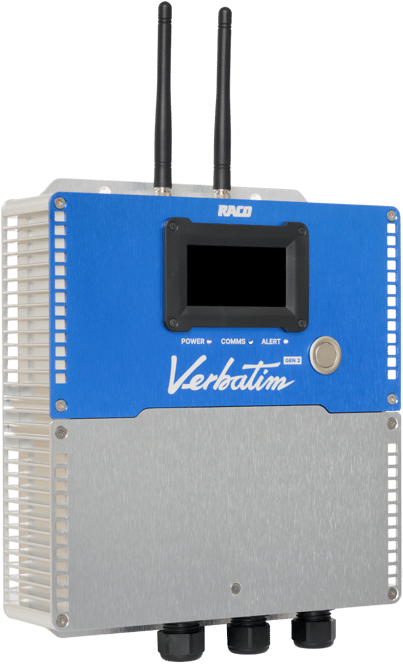
RACO Manufacturing & Engineering provides advanced automation and monitoring solutions specifically designed for water treatment facilities. Our systems help operators maintain optimal coagulation processes through:
- Real-time monitoring: Continuous measurement of key parameters including pH, turbidity, and chemical dosing rates
- Automated alerts: Immediate notification of process deviations or equipment malfunctions
- Data logging: Comprehensive record-keeping for regulatory compliance and process optimization
Optimizing Coagulation Performance
Achieving optimal coagulation requires careful attention to several factors:
1. Coagulant Selection
Choose the appropriate coagulant based on:
- Raw water quality characteristics
- Temperature conditions
- Treatment objectives
- Cost considerations
2. Dosing Control
Precise dosing control is essential for both effectiveness and efficiency. Modern automation systems can adjust dosing rates based on real-time water quality measurements, ensuring optimal treatment while minimizing chemical usage.
3. Mixing Optimization
Proper mixing energy and duration are crucial for effective coagulation. Too much or too little mixing can significantly impact process efficiency.
Troubleshooting Common Coagulation Issues
Even well-designed systems can encounter problems. Here are common issues and their solutions:
| Problem | Possible Causes | Solutions |
|---|---|---|
| Poor floc formation | Incorrect pH, inadequate mixing | Adjust pH, verify mixing parameters |
| High chemical usage | Overdosing, inefficient mixing | Optimize dosing, improve mixing efficiency |
| Inconsistent results | Variable raw water quality | Implement automated control systems |
Future Trends in Coagulation Technology
The water treatment industry continues to evolve, with several emerging trends in coagulation technology:
- Smart dosing systems: AI-powered systems that automatically adjust chemical dosing based on multiple parameters
- Green coagulants: Development of environmentally friendly alternatives to traditional chemical coagulants
- Advanced monitoring: Integration of IoT sensors and real-time analytics for improved process control
Conclusion
Coagulation remains a fundamental process in water treatment, with its effectiveness directly impacting public health and environmental protection. By understanding the process, implementing proper monitoring and control systems, and staying current with technological advances, water treatment facilities can optimize their coagulation processes for better efficiency and results.
For more information about automating and monitoring your water treatment processes, contact RACO Manufacturing & Engineering to discuss our comprehensive solution portfolio.