

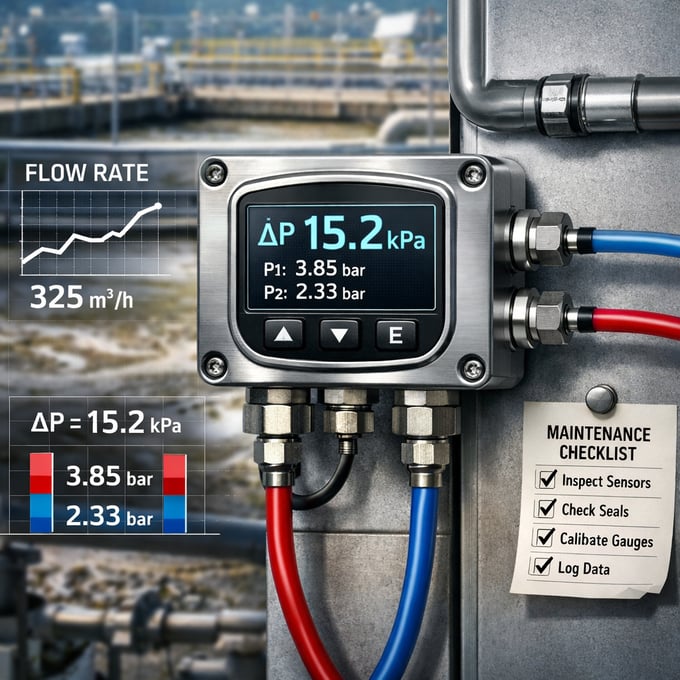
Differential Pressure Sensors: A Comprehensive Guide to Selection, Applications, and Best Practices


Differential Pressure Sensors: A Comprehensive Guide to Selection, Applications, and Best Practices
Understanding differential pressure sensors is crucial for maintaining efficient operations in wastewater treatment, industrial processing, and various other applications. These sophisticated instruments measure the difference in pressure between two points in a system, providing vital data for process control and monitoring. In this comprehensive guide, we'll explore everything you need to know about differential pressure sensors, from their fundamental principles to advanced applications.
What Are Differential Pressure Sensors?
Differential pressure sensors are precision instruments that measure the pressure difference between two points in a system. Unlike gauge pressure sensors that measure pressure relative to atmospheric pressure, differential pressure sensors compare pressures between two distinct locations. This capability makes them invaluable for monitoring flow rates, level measurements, and filter conditions.
How Differential Pressure Sensors Work
These sensors operate on a simple yet effective principle. They contain two pressure ports that connect to different points in a system. The sensor measures the difference between these pressures using various technologies:
| Technology Type | Operating Principle | Best Application |
|---|---|---|
| Capacitive | Measures displacement of a diaphragm | Low-pressure applications |
| Piezoresistive | Uses strain gauges on a membrane | High-pressure industrial processes |
| Electromagnetic | Measures induced voltage from fluid movement | Clean fluid applications |
Key Applications in Wastewater Treatment
In wastewater treatment facilities, differential pressure sensors serve several critical functions:
1. Flow Monitoring
When combined with primary elements like orifice plates or Venturi tubes, differential pressure sensors accurately measure flow rates in pipes and channels. This data is essential for:
- Process control optimization - Chemical dosing management - Regulatory compliance reporting2. Level Measurement
In tanks and basins, differential pressure sensors provide reliable level measurements by comparing the pressure at the bottom of the tank to atmospheric pressure. This application is particularly valuable for:
- Clarifier operation - Sludge management - Chemical storage monitoring3. Filter Monitoring
By measuring pressure differences across filters, these sensors help operators:
- Determine optimal backwash timing - Monitor filter efficiency - Prevent system damage from cloggingSelection Criteria for Differential Pressure Sensors
Choosing the right differential pressure sensor requires careful consideration of several factors:
Pressure Range
Select a sensor with a range that matches your application requirements. Consider both normal operating conditions and potential pressure spikes. A good rule of thumb is to choose a sensor with a maximum range about 1.5 times your expected maximum differential pressure.
Material Compatibility
Ensure sensor materials are compatible with process fluids. Common options include:
| Material | Best For | Limitations |
|---|---|---|
| 316L Stainless Steel | Most wastewater applications | Some chemical resistance limitations |
| Hastelloy | Highly corrosive environments | Higher cost |
| PVDF | Chemical processing | Temperature limitations |
Installation Best Practices
Proper installation is crucial for accurate differential pressure measurement:
Mounting Considerations
Install sensors according to manufacturer specifications, paying particular attention to:
- Orientation requirements - Vibration isolation - Temperature effects - Accessibility for maintenanceImpulse Line Installation
Proper impulse line installation is critical for accurate measurements:
- Use appropriate line sizes - Maintain proper slope - Install purge points - Consider heat tracing in cold environmentsMaintenance and Troubleshooting
Regular maintenance ensures reliable operation and extends sensor life:
Preventive Maintenance Schedule
| Task | Frequency | Purpose |
|---|---|---|
| Zero calibration check | Monthly | Ensure accuracy |
| Impulse line inspection | Quarterly | Prevent blockages |
| Full calibration | Annually | Maintain precision |
Integration with SCADA and Alarm Systems
Modern differential pressure sensors often include smart features for system integration. When connecting to SCADA systems, consider:
Communication Protocols
- HART - Modbus - 4-20mA analog - Foundation FieldbusAlarm Configuration
Set up appropriate alarms for:
- High/low pressure conditions - Rate of change warnings - Sensor failure indicators - Calibration due datesFuture Trends in Differential Pressure Sensing
The field of differential pressure sensing continues to evolve with new technologies and capabilities:
- Wireless connectivity options - Self-diagnostics and predictive maintenance - Enhanced digital communication protocols - Improved energy efficiency - Integration with IIoT platformsConclusion
Differential pressure sensors are fundamental components in modern wastewater treatment and industrial processes. Understanding their operation, selection criteria, and maintenance requirements is essential for optimal system performance. By following the guidelines outlined in this article, operators can ensure reliable measurements and efficient operations.
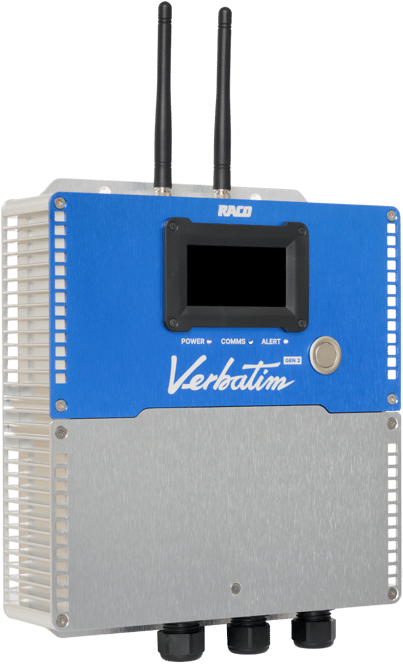
For more information about integrating differential pressure sensors with advanced alarm systems and SCADA solutions, contact RACO Manufacturing & Engineering. Our experts can help you select and implement the right monitoring solutions for your specific applications.