

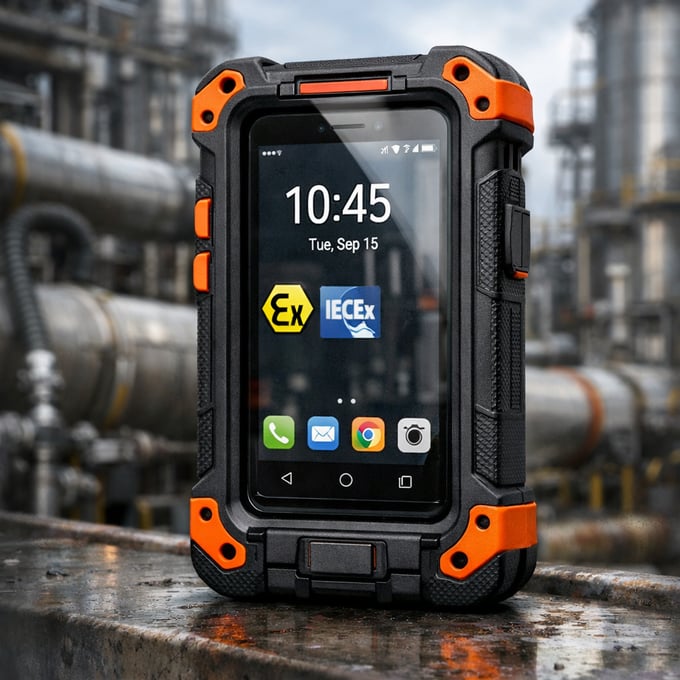
Intrinsically Safe Phone Cases: The Ultimate Guide to Protection in Hazardous Environments


Intrinsically Safe Phone Cases: The Ultimate Guide to Protection in Hazardous Environments
In hazardous industrial environments where explosive gases, flammable materials, or combustible dust are present, having the right safety equipment isn't just about compliance—it's about survival. An intrinsically safe phone case represents a critical component in maintaining safety while enabling essential communication in these dangerous settings.
Understanding Intrinsic Safety in Mobile Device Protection
Intrinsic safety is a protection method that ensures electronic equipment cannot release sufficient electrical or thermal energy to ignite a hazardous atmospheric mixture. When it comes to phone cases, this means designing them to prevent any possibility of sparking or generating excessive heat that could trigger an explosion.
Key Components of Intrinsically Safe Phone Cases
A properly designed intrinsically safe phone case incorporates several crucial elements:
| Component | Function | Safety Benefit |
|---|---|---|
| Non-sparking materials | Prevents static discharge | Eliminates ignition sources |
| Energy-limiting circuits | Controls electrical current | Prevents excess heat generation |
| Sealed enclosure | Protects internal components | Maintains safety barrier |
Certification Standards for Intrinsically Safe Phone Cases
To be considered truly intrinsically safe, phone cases must meet strict certification requirements. The most important standards include:
- Class I, Division 1 certification for use in locations with flammable gases
- ATEX certification for European hazardous environments
- IECEx certification for international compliance
Understanding Hazardous Location Classifications
Different environments require different levels of protection. Here's a breakdown of the classifications:
| Classification | Environment Type | Required Protection Level |
|---|---|---|
| Class I | Flammable gases or vapors | Highest level of protection |
| Class II | Combustible dust | Dust-tight enclosure |
| Class III | Ignitable fibers/flyings | Standard protection |
Essential Features of Quality Intrinsically Safe Phone Cases
When selecting an intrinsically safe phone case, look for these critical features:
Impact Protection
Beyond intrinsic safety, these cases must protect against physical damage. Look for cases tested to military drop-test standards (MIL-STD-810G) and featuring reinforced corners and shock-absorbing materials.
Environmental Sealing
IP67 or IP68 ratings ensure protection against dust and water ingress, which is crucial in industrial environments. This sealing also helps maintain the intrinsically safe barrier between the phone and the hazardous atmosphere.
Accessibility Features
Despite robust protection, the case should allow for:
- Clear audio transmission through sealed speaker ports
- Touch screen functionality through protective covering
- Access to essential buttons and ports while maintaining safety barriers
Applications and Industries
Intrinsically safe phone cases are essential in numerous industries:
| Industry | Application | Specific Requirements |
|---|---|---|
| Oil and Gas | Refineries, drilling sites | Class I, Div 1 certification |
| Chemical Processing | Manufacturing facilities | Chemical resistance |
| Mining | Underground operations | Dust protection, impact resistance |
| Pharmaceutical | Clean rooms, processing areas | Sanitizable surfaces |
Maintenance and Care
Proper maintenance of intrinsically safe phone cases is crucial for maintaining their protective qualities:
Regular Inspection Points
Check these components monthly:
- Seal integrity around all openings
- Condition of impact-resistant materials
- Functionality of all protective features
Making the Right Selection
When choosing an intrinsically safe phone case, consider these factors:
Compatibility
Ensure the case is certified for your specific:
- Phone model and dimensions
- Operating environment classification
- Regional safety requirements
Cost Considerations
While intrinsically safe phone cases represent a significant investment, consider:
- The cost of potential equipment damage
- Safety incident prevention value
- Regulatory compliance requirements
Future Trends in Intrinsically Safe Phone Protection
The field of intrinsically safe phone protection continues to evolve with:
- Integration of 5G compatibility while maintaining safety standards
- Enhanced materials for better drop protection and longevity
- Improved touch sensitivity through protective barriers
Conclusion
Selecting the right intrinsically safe phone case is crucial for maintaining both safety and functionality in hazardous environments. By understanding the certification requirements, essential features, and maintenance needs, you can make an informed decision that protects both your equipment and personnel.
For more information about intrinsically safe equipment and monitoring solutions, visit RACO Manufacturing & Engineering's website or contact our safety experts for personalized recommendations.