

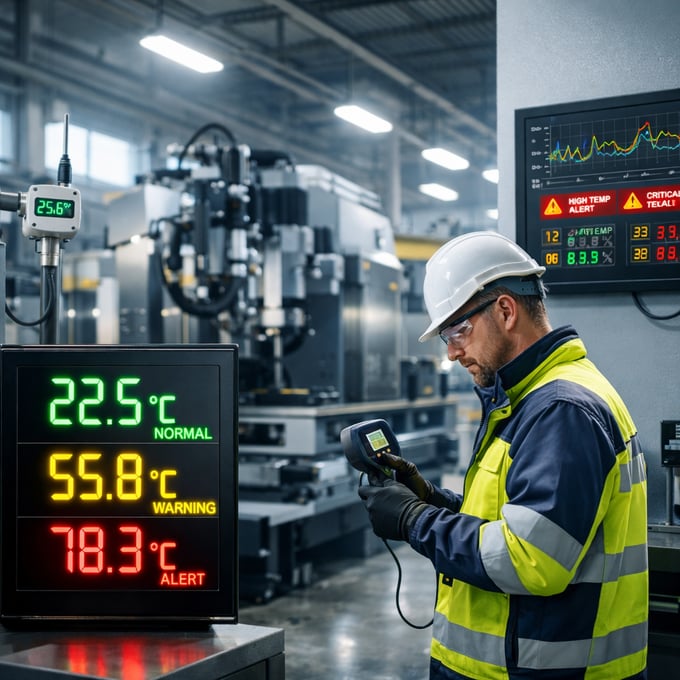
How to Monitor Temperature Remotely: A Complete Guide to Industrial Temperature Monitoring Systems


How to Monitor Temperature Remotely: A Complete Guide to Industrial Temperature Monitoring Systems
In today's interconnected industrial landscape, the ability to monitor temperature remotely has become crucial for maintaining operational efficiency and preventing costly equipment failures. Whether you're managing a wastewater treatment facility, overseeing industrial processes, or maintaining critical infrastructure, understanding how to effectively monitor temperature from anywhere is essential for modern operations.
Why Remote Temperature Monitoring Matters
Remote temperature monitoring systems serve as the first line of defense against equipment failures, process disruptions, and regulatory compliance issues. In industrial settings, temperature variations can indicate:
- Equipment malfunction or impending failure
- Process inefficiencies
- Safety hazards
- Compliance violations
- Energy waste
Key Components of Remote Temperature Monitoring Systems
To effectively monitor temperature remotely, you need a comprehensive system that includes several crucial components:
| Component | Function | Importance |
|---|---|---|
| Temperature Sensors | Measure temperature at specific points | Primary data collection |
| Data Loggers | Record and store temperature readings | Historical tracking |
| Communication Module | Transmit data to monitoring station | Real-time updates |
| Alert System | Notify personnel of anomalies | Immediate response capability |
Implementing Remote Temperature Monitoring in Industrial Applications
The implementation process requires careful planning and consideration of several factors:
1. Sensor Placement and Selection
Choose appropriate temperature sensors based on your specific needs:
- RTD sensors for high-accuracy applications
- Thermocouples for extreme temperature environments
- Infrared sensors for non-contact measurements
2. Communication Infrastructure
Select the most reliable communication method for your facility:
- Cellular networks for wide-area coverage
- Wi-Fi for local area monitoring
- Satellite communication for remote locations
Advanced Features of Modern Remote Temperature Monitoring
Today's sophisticated monitoring systems offer capabilities that go beyond basic temperature measurement:
Data Analytics and Trending
Modern systems can analyze temperature data to:
- Predict equipment failures before they occur
- Optimize process efficiency
- Generate automated reports for compliance
- Track long-term performance metrics
Integration Capabilities
Remote temperature monitoring systems can integrate with:
- SCADA systems
- Building management systems
- Enterprise resource planning (ERP) software
- Mobile applications for on-the-go monitoring
Best Practices for Remote Temperature Monitoring
To maximize the effectiveness of your remote temperature monitoring system:
1. Regular Calibration
Maintain accuracy through scheduled sensor calibration and verification.
2. Redundancy Planning
Implement backup systems for critical monitoring points to ensure continuous operation.
3. Staff Training
Ensure personnel are properly trained in system operation and maintenance.
The Role of Automation in Temperature Monitoring
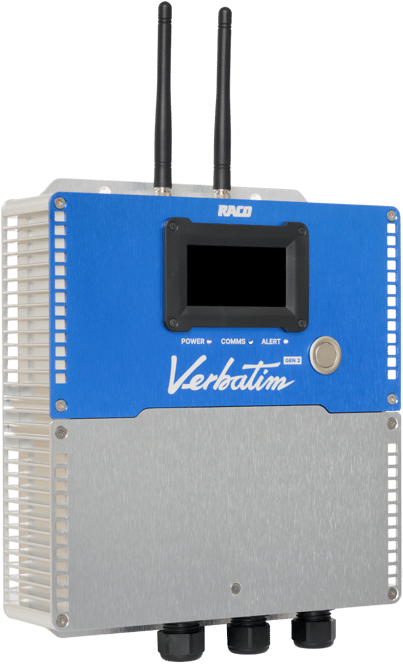
Automation plays a crucial role in modern temperature monitoring systems. RACO's Catalyst and AlarmAgent systems provide advanced automation capabilities that allow facilities to:
- Set up automated alerts based on temperature thresholds
- Generate detailed reports automatically
- Integrate with existing control systems
- Monitor multiple locations from a single interface
Security Considerations
When implementing remote temperature monitoring systems, security should be a top priority:
| Security Aspect | Implementation |
|---|---|
| Data Encryption | Use industry-standard encryption protocols |
| Access Control | Implement role-based access management |
| Network Security | Maintain separate networks for monitoring systems |
| Audit Trails | Track all system access and changes |
Future Trends in Remote Temperature Monitoring
The field of remote temperature monitoring continues to evolve with emerging technologies:
- AI-powered predictive maintenance
- IoT integration for enhanced connectivity
- Cloud-based monitoring solutions
- Advanced analytics capabilities
Conclusion
The ability to monitor temperature remotely has become indispensable in modern industrial operations. By implementing a comprehensive monitoring system with the right components, following best practices, and leveraging automation, organizations can ensure efficient operations, prevent equipment failures, and maintain regulatory compliance.
For more information about implementing remote temperature monitoring solutions in your facility, contact RACO Manufacturing & Engineering. Our experts can help you design and implement a system that meets your specific needs.