

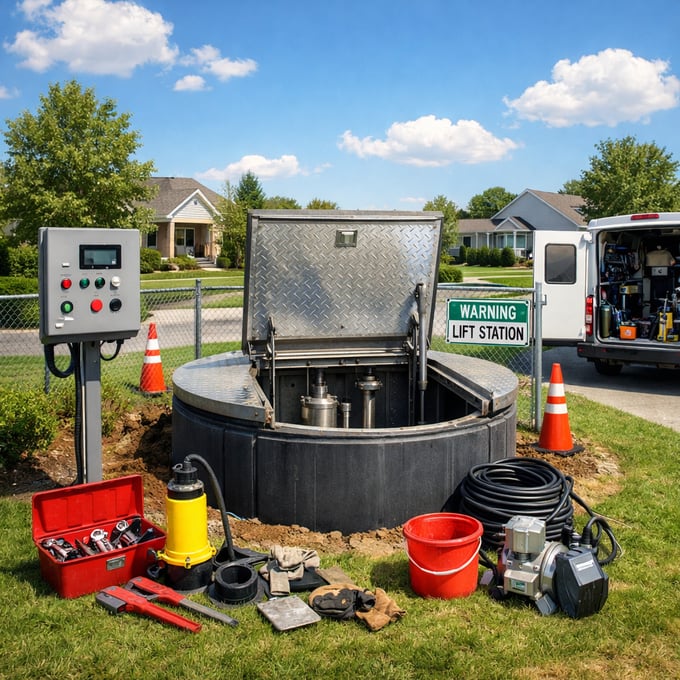
Residential Sewer Lift Station: The Complete Homeowner's Guide to Installation, Maintenance, and Troubleshooting


Residential Sewer Lift Station: The Complete Homeowner's Guide to Installation, Maintenance, and Troubleshooting
When your home sits below the main sewer line or you're dealing with challenging terrain, a residential sewer lift station becomes an essential component of your property's wastewater management system. As experts in pump station monitoring and control systems, we understand that homeowners need clear, reliable information about these crucial installations. This comprehensive guide will walk you through everything you need to know about residential sewer lift stations, from their basic operation to maintenance requirements and troubleshooting tips.
What is a Residential Sewer Lift Station?
A residential sewer lift station, also known as a pump station, is a mechanical system designed to move wastewater from a lower elevation to a higher elevation when gravity flow isn't possible. These systems are crucial for homes where the main sewer line sits above the basement or when the property's topography prevents natural drainage.
Key Components of a Residential Lift Station
Understanding the main components of your lift station is essential for proper maintenance and troubleshooting:
| Component | Function |
|---|---|
| Wet Well | Collection basin for wastewater before pumping |
| Submersible Pumps | Moves wastewater from wet well to main sewer line |
| Float Switches | Controls pump operation based on water levels |
| Control Panel | Manages pump operation and provides system monitoring |
| Alarm System | Alerts homeowners to potential problems |
Installation Considerations for Residential Sewer Lift Stations
Installing a residential sewer lift station requires careful planning and professional expertise. Here are the critical factors to consider:
Location Requirements
The ideal location for your lift station should be:
- Easily accessible for maintenance - Away from living spaces to minimize noise - Protected from flooding - Compliant with local building codes - Properly ventilatedSizing and Capacity
Proper sizing is crucial for efficient operation. The system must be capable of handling your household's daily wastewater output. Factors affecting size include:
- Number of household occupants - Number of bathrooms and water-using appliances - Peak usage periods - Future expansion plansMaintenance Requirements and Best Practices
Regular maintenance is essential for ensuring your residential sewer lift station operates reliably and efficiently. Here's a comprehensive maintenance schedule:
Monthly Maintenance Tasks
- Check for unusual noises or vibrations - Inspect float switches for proper operation - Test alarm systems - Clean sensor probes - Check control panel indicatorsQuarterly Maintenance Tasks
- Clean wet well walls and remove debris - Inspect pump impellers - Check electrical connections - Verify proper valve operation - Test backup power systemsAdvanced Monitoring Solutions
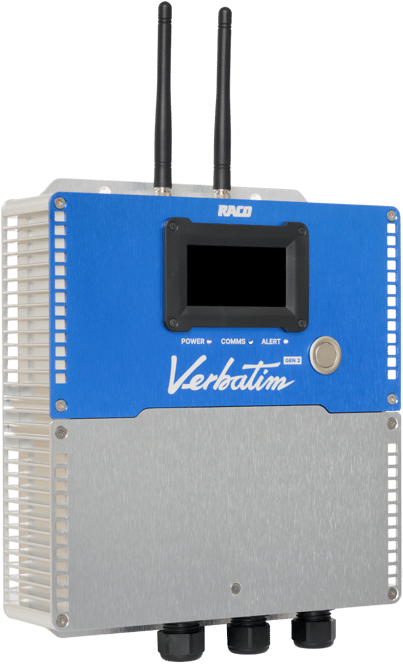
Modern residential sewer lift stations benefit significantly from advanced monitoring systems. RACO's Verbatim Connect system offers:
Remote Monitoring Capabilities
- Real-time status updates - Immediate alarm notifications - Historical performance data - Mobile app access - Predictive maintenance alertsTroubleshooting Common Issues
Even well-maintained lift stations can experience problems. Here are solutions to common issues:
| Problem | Possible Causes | Solution |
|---|---|---|
| Pump Won't Start | Float switch failure, electrical issues | Check power supply, inspect float switches |
| Unusual Noises | Worn bearings, debris in impeller | Professional inspection, clean impeller |
| Frequent Cycling | Improper float settings, inflow issues | Adjust float switches, check for leaks |
Cost Considerations and ROI
While installing a residential sewer lift station represents a significant investment, understanding the costs and potential returns is crucial:
Initial Investment
- Equipment costs: $2,000-$10,000 - Installation: $5,000-$15,000 - Permits and inspections: $500-$2,000Long-term Value
- Increased property usability - Prevention of sewage backups - Lower maintenance costs with proper monitoring - Extended system lifespan with proper careChoosing the Right Monitoring System
Selecting an appropriate monitoring system is crucial for maintaining your residential sewer lift station's reliability. RACO's monitoring solutions offer several advantages:
- 24/7 automated monitoring - Immediate notification of problems - Remote access capabilities - Historical data tracking - Integration with existing systemsConclusion
A residential sewer lift station is a crucial investment for homes requiring wastewater elevation. With proper installation, maintenance, and monitoring, these systems provide reliable service for many years. RACO's advanced monitoring solutions can help ensure your lift station operates efficiently while providing peace of mind through constant oversight and immediate alert capabilities.