

Sedimentation in Water Treatment: A Comprehensive Guide to Process, Equipment, and Optimization


Sedimentation in Water Treatment: A Comprehensive Guide to Process, Equipment, and Optimization
Sedimentation water treatment stands as a cornerstone in modern water purification processes, playing a crucial role in both municipal water treatment and industrial applications. This fundamental process removes suspended particles from water through gravity settling, ensuring cleaner, safer water for communities and industries alike. Understanding the intricacies of sedimentation is essential for water treatment professionals, plant operators, and anyone involved in water quality management.
Understanding the Sedimentation Process in Water Treatment
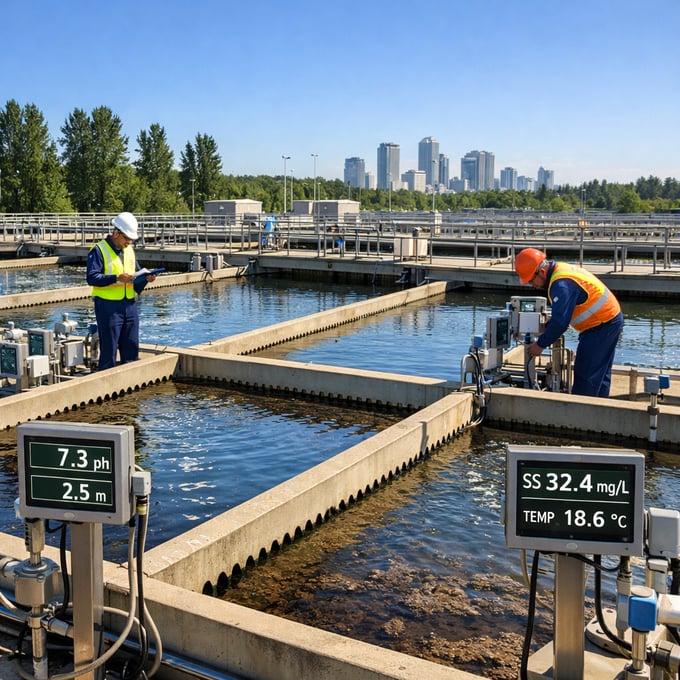
Sedimentation in water treatment involves the natural process of allowing suspended particles to settle under the influence of gravity. These particles, which are typically heavier than water, gradually sink to the bottom of sedimentation basins or clarifiers, forming a layer of sludge that can be removed later.
| Particle Type | Settling Time | Size Range |
|---|---|---|
| Gravel | 1 second | 10+ mm |
| Sand | 10 seconds | 0.1-1 mm |
| Silt | 2 minutes | 0.01-0.1 mm |
| Clay | 2+ hours | < 0.01 mm |
Types of Sedimentation in Water Treatment
Water treatment facilities employ different types of sedimentation processes depending on their specific needs and the characteristics of the water being treated:
1. Type 1: Discrete Particle Settling
In this process, particles maintain their size, shape, and density while settling. This type is common in pre-treatment sedimentation basins where larger particles like sand and silt are removed.
2. Type 2: Flocculent Settling
Particles aggregate during settling, increasing in size and settling velocity. This process often follows coagulation and flocculation stages in treatment plants.
3. Type 3: Hindered Settling
This occurs in high-concentration environments where particle interactions affect settling velocities, common in sludge thickening applications.
Critical Components of Sedimentation Systems
Effective sedimentation water treatment relies on several key components working in harmony:
Sedimentation Basins
These large tanks provide the necessary retention time for particles to settle. Design considerations include:
- Surface loading rate
- Detention time
- Basin depth
- Flow distribution
Monitoring and Control Systems
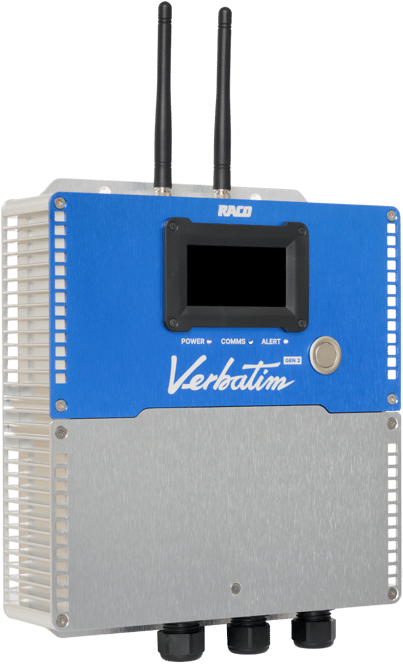
Advanced monitoring equipment is essential for maintaining optimal sedimentation performance. RACO's Catalyst and AlarmAgent systems provide real-time monitoring and alerts for:
- Turbidity levels
- Flow rates
- Sludge blanket depth
- Equipment malfunctions
Optimizing Sedimentation Water Treatment
To achieve maximum efficiency in sedimentation processes, consider these key optimization strategies:
1. Flow Control Management
Maintaining consistent flow rates is crucial for optimal particle settling. Implement automated flow control systems with real-time monitoring capabilities to ensure steady operation.
2. Temperature Considerations
Water temperature affects settling velocity. Account for seasonal changes by adjusting retention times and chemical dosing accordingly:
| Temperature (°C) | Relative Settling Velocity | Adjustment Factor |
|---|---|---|
| 5 | 0.85 | 1.18 |
| 15 | 1.0 | 1.0 |
| 25 | 1.18 | 0.85 |
Common Challenges and Solutions
Understanding and addressing common sedimentation challenges is crucial for maintaining system efficiency:
Short-Circuiting
When water takes preferential paths through the basin, reducing treatment effectiveness. Solutions include:
- Installing baffles
- Optimizing inlet designs
- Regular maintenance of flow distribution systems
Sludge Management
Effective sludge removal is critical for maintaining system performance. Implement automated sludge removal systems with:
- Regular monitoring of sludge blanket levels
- Scheduled maintenance routines
- Proper disposal protocols
Remote Monitoring and Automation
Modern sedimentation water treatment facilities benefit significantly from automated monitoring and control systems. RACO's solutions provide:
- 24/7 remote monitoring capabilities
- Automated alert systems for parameter deviations
- Data logging for compliance and optimization
- Integration with existing SCADA systems
Future Trends in Sedimentation Technology
The field of sedimentation water treatment continues to evolve with new technologies and approaches:
- Advanced particle monitoring systems
- AI-driven optimization algorithms
- High-rate settling technologies
- Enhanced chemical-free treatment methods
Conclusion
Sedimentation water treatment remains a vital process in water purification, with continuous advancements improving its efficiency and effectiveness. By understanding the fundamental principles, implementing proper monitoring systems, and staying current with technological developments, treatment facilities can optimize their sedimentation processes for better water quality outcomes.
For more information about implementing effective monitoring solutions for your sedimentation water treatment system, contact RACO Manufacturing & Engineering to discuss how our advanced monitoring and alarm systems can enhance your facility's operations.