

Types of Sewer Pipe: A Comprehensive Guide to Materials, Applications, and Selection


Types of Sewer Pipe: A Comprehensive Guide to Materials, Applications, and Selection
Understanding the various types of sewer pipe is crucial for any wastewater management project. Whether you're a municipal engineer, contractor, or utility manager, selecting the right sewer pipe material can mean the difference between a long-lasting, efficient system and one plagued with costly maintenance issues. In this comprehensive guide, we'll explore the most common types of sewer pipe, their applications, advantages, and limitations.
The Evolution of Sewer Pipe Materials
Sewer systems have come a long way from the ancient Roman lead pipes. Modern sewer infrastructure employs a variety of materials, each engineered to meet specific environmental conditions, load requirements, and cost considerations. The selection of appropriate sewer pipe materials has become increasingly important as communities face aging infrastructure challenges and growing environmental concerns.
Common Types of Sewer Pipe Materials
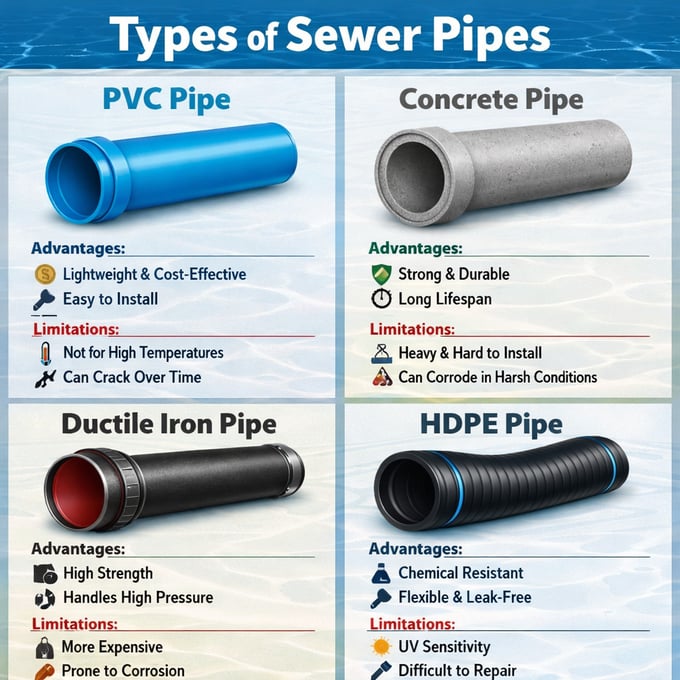
1. PVC (Polyvinyl Chloride) Sewer Pipe
PVC has become one of the most widely used materials for sewer pipes, particularly in residential and light commercial applications. This popularity is well-deserved, given its numerous advantages:
| Advantages | Limitations |
|---|---|
| - Lightweight and easy to install - Excellent chemical resistance - Cost-effective - Long service life (50+ years) | - Temperature limitations - Less suitable for high-pressure applications - UV sensitivity - Limited use in heavy loading conditions |
2. Concrete Sewer Pipe
Concrete remains a stalwart choice for large-diameter sewer mains and municipal applications. Modern concrete pipes often incorporate steel reinforcement for enhanced strength and durability.
| Advantages | Limitations |
|---|---|
| - Excellent structural strength - Suitable for heavy loads - Long service life - Fire resistant | - Heavy and difficult to install - Vulnerable to chemical corrosion - Higher initial cost - Potential for crack development |
3. Ductile Iron Sewer Pipe
Ductile iron pipes offer exceptional strength and durability, making them ideal for high-pressure applications and areas with unstable soil conditions.
| Advantages | Limitations |
|---|---|
| - Superior strength - Excellent longevity - High pressure capability - Resistant to root intrusion | - Higher material cost - Heavy weight - Requires corrosion protection - Installation complexity |
Emerging Technologies in Sewer Pipe Materials
HDPE (High-Density Polyethylene)
HDPE pipes represent the latest evolution in sewer pipe technology, offering unique benefits for modern infrastructure projects:
- Exceptional flexibility and joint integrity
- Superior resistance to chemical and biological corrosion
- Excellent flow characteristics due to smooth interior surfaces
- Lower lifetime maintenance costs
Factors Influencing Sewer Pipe Selection
Choosing the right type of sewer pipe involves careful consideration of multiple factors:
Environmental Conditions
Soil characteristics, groundwater levels, and chemical exposure all play crucial roles in material selection. For instance, areas with high groundwater tables might benefit from HDPE pipes due to their superior joint integrity and corrosion resistance.
Load Requirements
Traffic loads, soil pressure, and installation depth influence the structural requirements of the pipe. Concrete and ductile iron pipes excel in high-load applications, while PVC might be more suitable for lighter loads.
Cost Considerations
The total cost of ownership includes:
- Initial material costs
- Installation expenses
- Maintenance requirements
- Expected service life
Monitoring and Maintenance Considerations
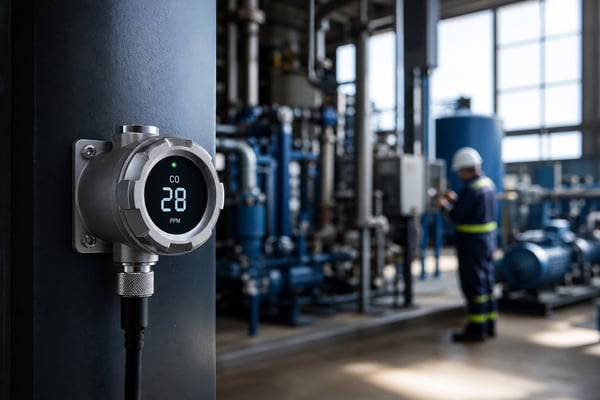
Regardless of the type of sewer pipe chosen, proper monitoring and maintenance are essential for system longevity. Modern sewer systems benefit greatly from advanced monitoring solutions like RACO's Verbatim® alarm autodialers and remote monitoring systems. These systems can:
- Detect potential issues before they become major problems
- Monitor flow rates and system capacity
- Alert operators to overflow conditions
- Track maintenance schedules and system performance
Future Trends in Sewer Pipe Technology
The sewer pipe industry continues to evolve with new materials and technologies emerging:
- Smart pipes with embedded sensors for real-time monitoring
- Composite materials combining the benefits of multiple materials
- Self-healing pipe materials
- Enhanced coating technologies for improved corrosion resistance
Conclusion
Selecting the appropriate type of sewer pipe requires careful consideration of multiple factors, including environmental conditions, load requirements, and long-term maintenance needs. While traditional materials like concrete and ductile iron continue to play important roles, newer materials such as PVC and HDPE offer compelling advantages for many applications.
To ensure optimal performance of any sewer system, regardless of pipe material, implementing robust monitoring solutions is crucial. RACO's advanced monitoring systems provide the oversight needed to maintain system integrity and prevent costly failures.
Recommended Internal Links:
- Wastewater monitoring systems
- Sewer overflow prevention
- Remote monitoring solutions
- Alarm autodialers for utilities