

Understanding Modern Sewerage Systems: A Complete Guide to Design, Operation, and Maintenance


Understanding Modern Sewerage Systems: A Complete Guide to Design, Operation, and Maintenance
Modern civilization relies heavily on infrastructure that often goes unnoticed until problems arise. Among these critical systems, sewerage systems stand as one of humanity's most important yet least appreciated achievements. This comprehensive guide explores the intricacies of sewerage systems, their design principles, and the crucial role they play in maintaining public health and environmental safety.
What Is a Sewerage System?
A sewerage system, also known as a wastewater collection system, is a complex network of pipes, pumping stations, and treatment facilities designed to collect, transport, and treat wastewater from homes, businesses, and industrial facilities. These systems protect public health by safely removing and treating contaminated water before returning it to the environment.
Components of Modern Sewerage Systems
Collection Network
The collection network consists of various pipe types and sizes that form the backbone of the sewerage system. Key components include:
| Component | Function |
|---|---|
| Lateral Lines | Connect individual buildings to main sewer lines |
| Main Lines | Collect wastewater from multiple lateral lines |
| Trunk Lines | Large pipes that transport wastewater from main lines to treatment facilities |
| Manholes | Access points for maintenance and inspection |
Pumping Stations
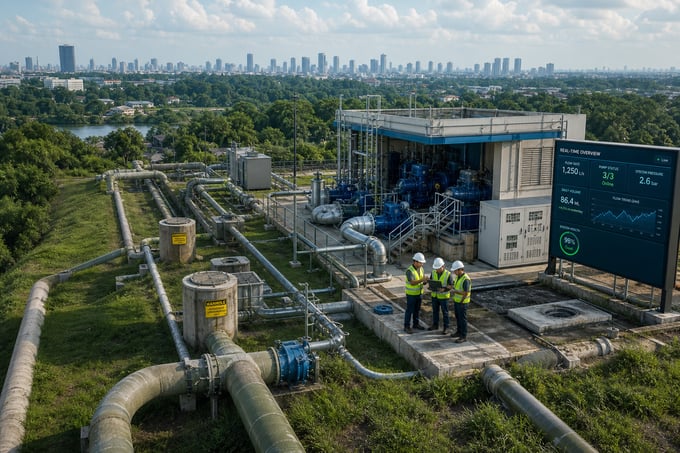
Pumping stations are vital components that move wastewater through the system when gravity flow isn't possible. Modern pumping stations incorporate sophisticated monitoring and control systems to ensure reliable operation and prevent system failures.
The Role of Automation in Modern Sewerage Systems
Today's sewerage systems rely heavily on automation and remote monitoring capabilities. SCADA (Supervisory Control and Data Acquisition) systems play a crucial role in:
- Real-time monitoring of flow rates and system capacity
- Early detection of potential system failures
- Automated control of pumping stations
- Data collection for system optimization
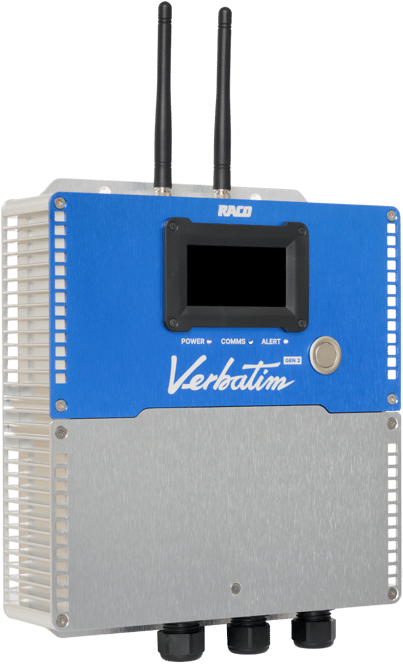
RACO Manufacturing & Engineering's Catalyst alarm monitoring system provides essential oversight for sewerage system operations. This advanced system enables operators to respond quickly to potential issues before they become critical problems.
Design Considerations for Sewerage Systems
Population and Flow Calculations
Designing an effective sewerage system requires careful consideration of current and future population needs. Engineers must calculate:
| Factor | Consideration |
|---|---|
| Peak Flow Rates | Maximum expected wastewater flow during peak usage |
| Average Daily Flow | Typical daily wastewater volume |
| Population Growth | Expected community expansion over 20-50 years |
| Industrial Input | Additional capacity needed for industrial users |
Environmental Considerations
Modern sewerage system design must account for environmental factors including:
- Topography and soil conditions
- Groundwater protection
- Climate change impacts
- Environmental regulations
Maintenance and Monitoring
Effective maintenance is crucial for sewerage system longevity and reliability. Key maintenance activities include:
Preventive Maintenance
Regular inspection and cleaning of pipes, pumps, and other components help prevent system failures. Modern technologies like CCTV inspection and sonar mapping aid in identifying potential issues before they become serious problems.
Remote Monitoring Solutions
Advanced monitoring systems, such as RACO's AlarmAgent.com, provide:
- 24/7 system status monitoring
- Immediate notification of system anomalies
- Historical data analysis capabilities
- Remote control of system components
Common Challenges and Solutions
Infiltration and Inflow (I&I)
I&I occurs when groundwater or stormwater enters the sewerage system through defects or illegal connections. Modern solutions include:
- Advanced pipe materials and joining methods
- Regular system inspection and rehabilitation
- Smart monitoring systems for early detection
Emergency Response Planning
Every sewerage system needs a comprehensive emergency response plan. Key elements include:
| Component | Purpose |
|---|---|
| Alarm Systems | Early warning of system failures |
| Backup Power | Maintain operation during power outages |
| Emergency Protocols | Clear procedures for various emergency scenarios |
| Communication Plans | Notification procedures for stakeholders |
Future Trends in Sewerage Systems
The future of sewerage systems includes several emerging technologies and approaches:
- Smart sensors and IoT integration
- Advanced data analytics for predictive maintenance
- Resource recovery and energy generation
- Climate-resilient design approaches
Conclusion
Modern sewerage systems represent a crucial infrastructure component that demands careful design, consistent maintenance, and sophisticated monitoring solutions. As cities grow and environmental challenges increase, the importance of reliable, efficient sewerage systems becomes even more critical. By implementing advanced monitoring solutions like RACO's alarm systems, operators can ensure their sewerage systems continue to protect public health and the environment effectively.
For more information about how RACO's monitoring solutions can enhance your sewerage system operations, contact our experts today.