

What Is Effluent Water? A Complete Guide to Wastewater Treatment & Management


What Is Effluent Water? A Complete Guide to Wastewater Treatment & Management
Understanding effluent water is crucial for anyone involved in wastewater management, environmental protection, or industrial processes. As communities grow and environmental regulations become stricter, the proper management and monitoring of effluent water has never been more important. This comprehensive guide will explain everything you need to know about effluent water, its treatment, and why proper monitoring is essential for environmental compliance.
What Is Effluent Water? A Clear Definition
Effluent water is treated wastewater that flows out of a treatment plant, septic system, or industrial outfall. It represents the final product of wastewater treatment processes, whether from municipal sewage treatment plants, industrial facilities, or agricultural operations. While the term "effluent" might sound technical, it simply refers to water that has gone through a treatment process and is ready to be discharged into the environment.
Types of Effluent Water
Different sources produce various types of effluent water, each with unique characteristics and treatment requirements:
1. Municipal Effluent
Generated from domestic sewage treatment plants, this type of effluent contains treated household wastewater from:
- Toilets - Sinks - Showers - Washing machines - Kitchen appliances2. Industrial Effluent
Produced by manufacturing and industrial processes, including:
- Chemical manufacturing - Food processing - Textile production - Pharmaceutical manufacturing - Metal finishing operations3. Agricultural Effluent
Results from farming and livestock operations, consisting of:
- Animal waste runoff - Irrigation drainage - Processing facility dischargeThe Effluent Treatment Process
| Treatment Stage | Process | Result |
|---|---|---|
| Primary Treatment | Physical separation of solids | Removes large debris and suspended solids |
| Secondary Treatment | Biological processing | Breaks down organic matter |
| Tertiary Treatment | Advanced cleaning | Removes specific contaminants |
| Disinfection | Chemical or UV treatment | Eliminates harmful microorganisms |
Critical Parameters in Effluent Water Monitoring
Proper effluent monitoring requires tracking several key parameters:
Physical Parameters
- Temperature - Total Suspended Solids (TSS) - Turbidity - Color - OdorChemical Parameters
- pH levels - Biochemical Oxygen Demand (BOD) - Chemical Oxygen Demand (COD) - Dissolved Oxygen - Total Dissolved Solids (TDS)Biological Parameters
- Coliform bacteria levels - Microscopic organisms - PathogensThe Importance of Effluent Monitoring Systems
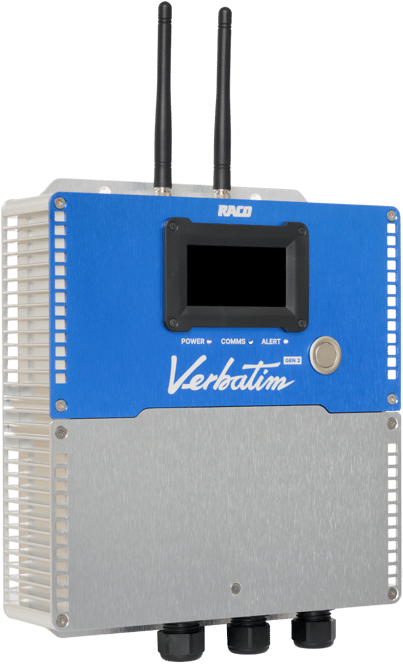
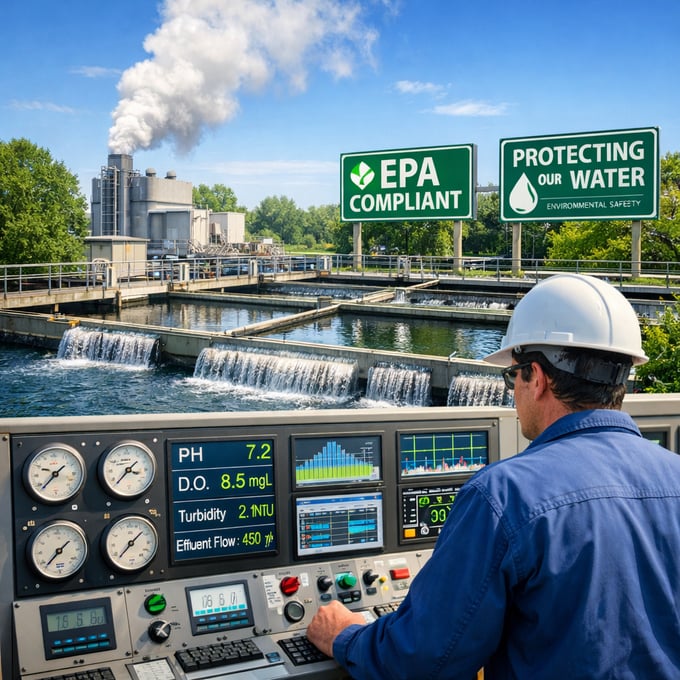
Reliable monitoring systems are essential for maintaining compliance with environmental regulations and ensuring proper treatment of effluent water. Modern monitoring solutions, like RACO's Catalyst and Guard-It systems, provide real-time data and alerts for:
- Flow rates - Chemical composition - Equipment status - Treatment process efficiency - Regulatory compliance parametersEnvironmental Impact and Regulations
Effluent water discharge is strictly regulated under various environmental protection laws, including:
- Clean Water Act (CWA) - National Pollutant Discharge Elimination System (NPDES) - State-specific environmental regulations - Local discharge permitsBest Practices for Effluent Water Management
To ensure effective effluent water management:
1. Implement continuous monitoring systems 2. Maintain detailed records of all parameters 3. Regularly calibrate monitoring equipment 4. Train staff on proper procedures 5. Develop emergency response plans 6. Conduct regular system auditsCommon Challenges in Effluent Water Treatment
Treatment facilities often face several challenges:
- Equipment malfunctions - Regulatory compliance - Cost management - System capacity limitations - Weather-related issues - Staffing requirementsSolutions for Effective Effluent Management
Modern solutions for effluent management include:
Automated Monitoring Systems
RACO's monitoring solutions provide:
- Real-time data collection - Automated alerts - Remote system access - Compliance reporting - Historical data analysisAdvanced Treatment Technologies
- Membrane filtration - UV disinfection - Advanced oxidation - Biological nutrient removalFuture Trends in Effluent Water Management
The field of effluent water management continues to evolve with:
- AI-powered monitoring systems - Advanced treatment technologies - Water reuse initiatives - Stricter environmental regulations - Smart city integrationConclusion
Understanding what effluent water is and how to properly manage it is crucial for environmental protection and regulatory compliance. With the right monitoring systems and management practices in place, facilities can ensure their effluent water meets all necessary standards while protecting our valuable water resources.
For more information about implementing effective effluent monitoring solutions, contact RACO Manufacturing & Engineering to learn about our advanced monitoring and alarm systems designed specifically for wastewater treatment applications.