



What Is a Lift Station for Sewer Systems? A Comprehensive Guide
If you're involved in municipal water management or are curious about how wastewater systems work, understanding sewer lift stations is crucial. These vital components of modern wastewater infrastructure serve as the workhorses of our sewage systems, enabling efficient waste transport across varying elevations and distances.
Understanding Sewer Lift Stations: The Basics
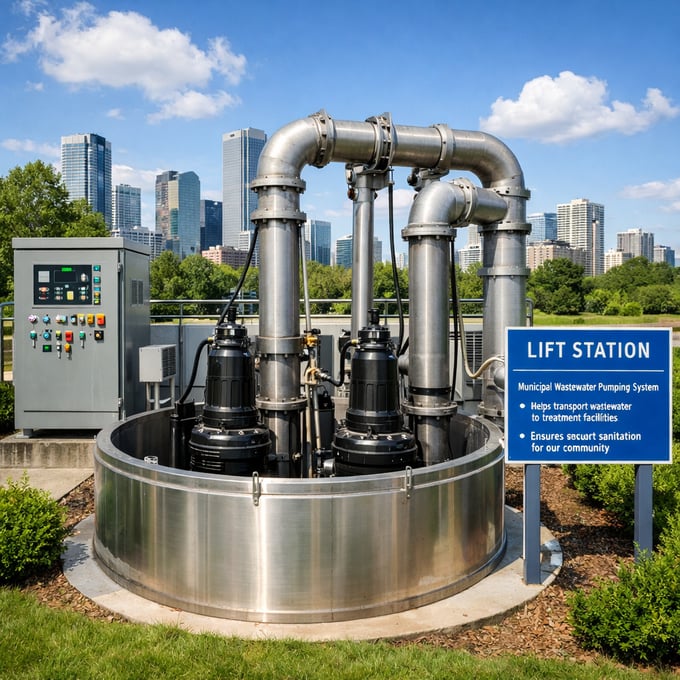
A sewer lift station, also known as a pump station, is an engineered system designed to move wastewater from lower to higher elevations when gravity flow is not possible. These stations are essential in areas where the topography doesn't allow for natural downhill flow or when the sewage needs to be raised to a higher elevation to continue its journey to the treatment facility.
Key Components of a Sewer Lift Station
Modern lift stations comprise several critical components that work together to ensure reliable operation:
| Component | Function |
|---|---|
| Wet Well | Collection point for incoming sewage before pumping |
| Pumps | Mechanical devices that move the wastewater |
| Motors | Power source for the pumps |
| Control System | Manages pump operation and monitoring |
| Alarm System | Alerts operators to potential problems |
| Backup Power | Ensures continuous operation during power outages |
How Does a Sewer Lift Station Work?
The operation of a lift station follows a systematic process:
- Collection: Wastewater flows into the wet well through gravity-fed pipes
- Level Monitoring: Sensors track the water level in the wet well
- Pump Activation: When water reaches a predetermined level, pumps automatically activate
- Transport: Wastewater is pumped to a higher elevation through force mains
- Continued Flow: The process continues as more wastewater enters the system
Types of Sewer Lift Stations
Different environments and requirements necessitate various types of lift stations:
1. Submersible Pump Stations
These stations feature pumps installed directly in the wet well, submerged in the wastewater. They're popular for their compact design and lower maintenance requirements.
2. Dry Well Stations
These traditional designs house pumps and controls in a separate dry chamber adjacent to the wet well, allowing easier access for maintenance but requiring more space.
3. Package Lift Stations
Pre-engineered systems that come as complete units, ideal for smaller applications or temporary installations.
Monitoring and Maintenance Requirements
Proper monitoring is crucial for lift station operation. Modern stations utilize advanced monitoring systems that provide:
- Real-time performance data
- Early warning of potential issues
- Remote monitoring capabilities
- Historical operation records
The Role of Automation in Lift Station Management
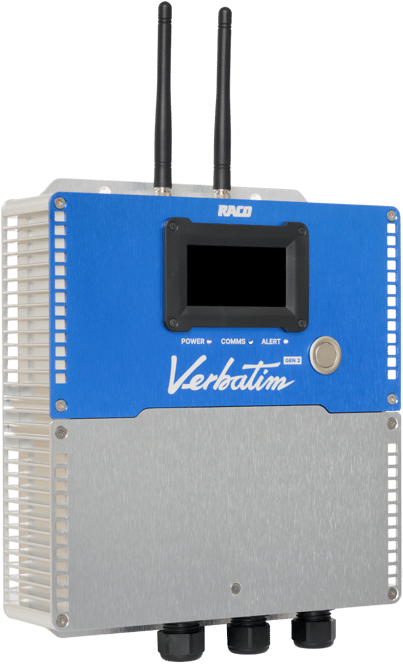
Automation systems like RACO's Verbatim Gateway provide essential monitoring and control capabilities:
| Feature | Benefit |
|---|---|
| Remote Monitoring | 24/7 oversight without physical presence |
| Automated Alerts | Immediate notification of issues |
| Data Logging | Historical performance tracking |
| Smart Controls | Automated response to changing conditions |
Common Challenges and Solutions
Lift stations face several operational challenges that require attention:
1. Power Failures
Solution: Install reliable backup power systems and implement automated alerting systems.
2. Pump Clogs
Solution: Use modern pump designs with anti-clogging features and regular maintenance schedules.
3. Overflow Events
Solution: Implement redundant systems and proper alarm monitoring solutions.
Cost Considerations and ROI
When evaluating lift station investments, consider:
| Cost Factor | Consideration |
|---|---|
| Initial Installation | Equipment, construction, and setup costs |
| Operating Costs | Energy consumption and routine maintenance |
| Maintenance | Regular servicing and parts replacement |
| Monitoring Systems | Automation and control equipment |
Future Trends in Lift Station Technology
The wastewater industry continues to evolve with new technologies:
- Smart monitoring systems with predictive maintenance capabilities
- Energy-efficient pump designs
- Advanced control systems with machine learning integration
- Sustainable power solutions including solar options
Conclusion
Sewer lift stations are essential components of modern wastewater infrastructure, enabling efficient sewage transport across varying terrains. Understanding their operation, maintenance requirements, and monitoring needs is crucial for water management professionals. With proper design, monitoring, and maintenance, lift stations can provide reliable service for decades.
For more information about lift station monitoring solutions, explore RACO's range of alarm monitoring systems designed specifically for wastewater applications.