


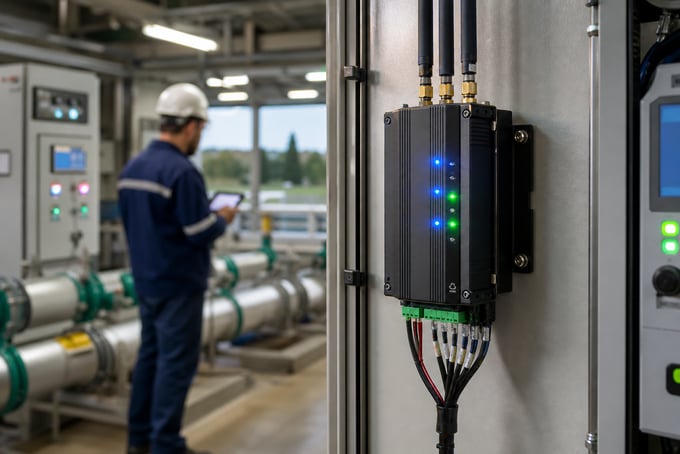
4G LTE Modem: The Complete Guide for Industrial Applications and Remote Monitoring


4G LTE Modem: The Complete Guide for Industrial Applications and Remote Monitoring
In today's interconnected industrial landscape, reliable communication is not just a luxury—it's a necessity. The 4G LTE modem has emerged as a cornerstone technology for industrial automation, remote monitoring, and critical infrastructure management. Whether you're managing a wastewater treatment facility, overseeing pump stations, or maintaining industrial equipment, understanding the capabilities and applications of 4G LTE modems is crucial for operational success.
What is a 4G LTE Modem?
A 4G LTE modem is a communication device that connects industrial equipment to cellular networks using Long-Term Evolution (LTE) technology. Unlike consumer-grade modems, industrial 4G LTE modems are built to withstand harsh environments, operate continuously, and provide secure, reliable connectivity for critical applications.
Key Components of a 4G LTE Modem
| Component | Function |
|---|---|
| RF Module | Handles radio frequency communication with cellular towers |
| SIM Card Interface | Enables carrier network authentication and access |
| Antenna Ports | Connects to external antennas for improved signal reception |
| Ethernet Interface | Provides connection to local equipment and networks |
Industrial Applications of 4G LTE Modems
The versatility of 4G LTE modems makes them invaluable across various industrial sectors:
1. Wastewater Management
In wastewater treatment facilities, 4G LTE modems enable real-time monitoring of:
- Flow rates and water levels - Pump station operation - Chemical treatment processes - Equipment status and alarms2. Remote Monitoring Systems
Industrial facilities utilize 4G LTE modems for:
- SCADA system connectivity - Remote asset management - Predictive maintenance - Emergency notification systemsBenefits of Using 4G LTE Modems in Industrial Settings
Reliability and Coverage
4G LTE networks offer extensive coverage and reliable connectivity, crucial for industrial applications. Modern 4G LTE modems provide:
- Consistent data transmission speeds - Low latency communication - Broad geographic coverage - Carrier redundancy optionsSecurity Features
Industrial 4G LTE modems incorporate robust security measures:
- VPN support - Advanced encryption - Firewall capabilities - Access control listsSelecting the Right 4G LTE Modem for Industrial Applications
When choosing a 4G LTE modem for industrial use, consider these critical factors:
Environmental Specifications
| Feature | Importance |
|---|---|
| Temperature Range | Must operate in extreme conditions (-40°C to +85°C) |
| Enclosure Rating | IP67/NEMA 4X for outdoor installations |
| Vibration Resistance | Essential for equipment mounted in moving machinery |
Communication Requirements
Evaluate these technical specifications:
- Data throughput needs - Protocol support (Modbus, DNP3, etc.) - Network fallback capabilities - Carrier certification requirementsIntegration with Industrial Control Systems
Successful implementation of 4G LTE modems requires careful integration with existing industrial control systems. Key considerations include:
Hardware Integration
- Compatible power supply requirements - Antenna placement and cabling - Interface requirements (RS232, RS485, Ethernet) - Mounting considerationsSoftware Configuration
- Network settings optimization - Security protocol implementation - Remote access configuration - Monitoring software setupBest Practices for 4G LTE Modem Deployment
To ensure optimal performance and reliability:
Installation Guidelines
1. Conduct site surveys for signal strength 2. Install proper surge protection 3. Use high-quality antenna cables 4. Implement redundant power suppliesMaintenance Procedures
1. Regular firmware updates 2. Signal strength monitoring 3. Connection quality verification 4. Security audit schedulingFuture-Proofing Your Industrial Communication
While 4G LTE modems currently dominate industrial communications, planning for future upgrades is essential. Consider:
- 5G compatibility options - Expandability features - Upgrade paths - Long-term support availabilityConclusion
4G LTE modems are essential components in modern industrial automation and remote monitoring systems. Their reliability, security features, and widespread coverage make them ideal for critical infrastructure applications. When selecting and implementing a 4G LTE modem solution, careful consideration of environmental requirements, communication needs, and integration capabilities will ensure successful deployment and operation.
For expert guidance on implementing 4G LTE modem solutions in your industrial application, contact RACO Manufacturing & Engineering. Our team specializes in industrial communication solutions that keep your critical systems connected and monitored 24/7.


