


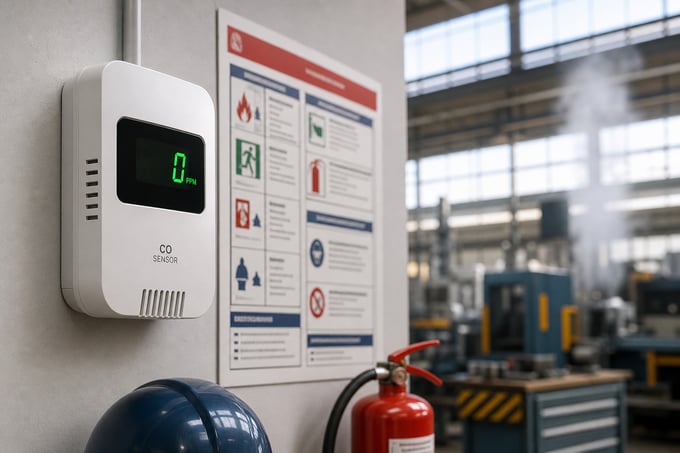
CO Sensor Guide: Understanding Carbon Monoxide Detection Technology & Applications


CO Sensor Guide: Understanding Carbon Monoxide Detection Technology & Applications
Carbon monoxide (CO) detection is crucial for protecting human life and ensuring workplace safety. As an invisible, odorless gas that can be lethal in high concentrations, reliable CO sensor technology plays a vital role across industrial, commercial, and residential applications. This comprehensive guide explores everything you need to know about CO sensors, from how they work to their critical applications in modern safety systems.
What is a CO Sensor?
A CO sensor is a sophisticated device designed to detect and measure carbon monoxide levels in the surrounding air. These sensors use various detection technologies to provide early warning of dangerous CO concentrations before they reach harmful levels. Modern CO sensors are essential components in gas detection systems, playing a crucial role in workplace safety and environmental monitoring.
Types of CO Sensor Technologies
Several technologies are employed in modern CO sensors, each with specific advantages for different applications:
| Sensor Type | Operating Principle | Best Application |
|---|---|---|
| Electrochemical | Chemical reaction producing electrical current | Industrial safety, portable devices |
| Semiconductor | Resistance changes with CO exposure | Residential alarms |
| Infrared | Spectroscopic absorption measurement | High-precision industrial monitoring |
How CO Sensors Work
The most common type of CO sensor uses electrochemical technology. When carbon monoxide enters the sensor, it triggers a chemical reaction with the sensing electrode. This reaction generates an electrical current proportional to the CO concentration in the air. The sensor's internal circuitry converts this current into a measurable signal that can be interpreted by monitoring equipment.
Key Components of a CO Sensor System
A complete CO monitoring solution typically includes:
- Sensing element (detector)
- Signal processing electronics
- Communication interface
- Power supply
- Display or indicator system
- Alarm mechanisms
Applications of CO Sensors
Industrial Applications
In industrial settings, CO sensors are critical for worker safety and process monitoring. Common applications include:
- Manufacturing facilities
CO sensors monitor air quality in facilities where combustion processes occur, ensuring worker safety and regulatory compliance.
- Parking structures
Sensors trigger ventilation systems when vehicle exhaust creates dangerous CO levels.
- Wastewater treatment plants
CO monitoring is essential where decomposition processes may generate harmful gases.
Commercial Applications
Commercial buildings rely on CO sensors for occupant safety:
| Location | Purpose | Critical Features |
|---|---|---|
| Office buildings | HVAC system control | Integration with building automation |
| Hotels | Guest safety | 24/7 monitoring, remote alerts |
| Restaurants | Kitchen safety | High-temperature tolerance |
Integration with Alarm Systems
Modern CO sensors often integrate with broader safety and automation systems. RACO's alarm autodialers and monitoring systems can connect with CO sensors to provide immediate notification when dangerous conditions arise. This integration ensures rapid response to potential hazards and maintains comprehensive safety records.
Key Features of Modern CO Sensor Systems
- Remote monitoring capabilities
Access real-time data and receive alerts from anywhere using mobile devices or computers.
- Data logging
Track historical CO levels for trend analysis and compliance reporting.
- Automated responses
Trigger ventilation systems or emergency protocols automatically when threshold levels are exceeded.
Maintenance and Calibration
Regular maintenance is crucial for CO sensor reliability. Best practices include:
| Maintenance Task | Frequency | Importance |
|---|---|---|
| Calibration check | Monthly | Critical |
| Sensor replacement | 2-3 years | High |
| System testing | Weekly | Essential |
Selecting the Right CO Sensor
When choosing a CO sensor system, consider these factors:
- Environmental conditions
Temperature, humidity, and potential interfering gases can affect sensor performance.
- Required accuracy
Different applications require different levels of precision in CO detection.
- Integration capabilities
Ensure compatibility with existing monitoring and alarm systems.
Future Trends in CO Sensor Technology
The field of CO detection continues to evolve with emerging technologies:
- IoT integration
Smart sensors that connect to cloud platforms for enhanced monitoring and analytics.
- Miniaturization
Smaller, more efficient sensors for portable and wearable applications.
- Advanced algorithms
Improved accuracy and reduced false alarms through sophisticated signal processing.
Conclusion
CO sensors are essential safety devices that protect lives and property across numerous applications. Understanding their operation, maintenance requirements, and integration capabilities is crucial for implementing effective safety systems. Whether you're managing an industrial facility, commercial building, or wastewater treatment plant, proper CO monitoring is non-negotiable for maintaining a safe environment.
For expert guidance on integrating CO sensors with your facility's monitoring and alarm systems, contact RACO Manufacturing & Engineering. Our specialists can help you design a comprehensive solution that ensures safety and compliance while providing peace of mind.


