


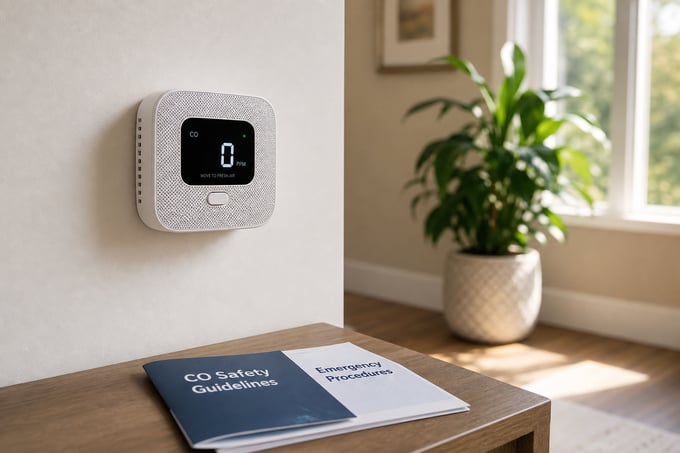
CO Sensor Guide: Everything You Need to Know About Carbon Monoxide Detection


Carbon monoxide (CO) detection is crucial for protecting human life and ensuring workplace safety. As a colorless, odorless gas that can be lethal in high concentrations, reliable CO sensor technology plays a vital role across various industries and applications. This comprehensive guide explores everything you need to know about CO sensors, from their fundamental operation to advanced applications in modern safety systems.
Understanding CO Sensors: The Basics
A CO sensor is a sophisticated device designed to detect and measure carbon monoxide levels in the surrounding environment. These sensors use various detection methods to provide accurate readings and timely warnings when CO levels become dangerous.
Types of CO Sensors
There are several primary types of CO sensors, each with specific advantages and applications:
| Sensor Type | Operating Principle | Best Application |
|---|---|---|
| Electrochemical | Chemical reaction producing electrical current | Portable detectors, residential use |
| Semiconductor | Resistance changes in metal oxide | Industrial monitoring |
| Infrared | Absorption of specific wavelengths | High-precision industrial applications |
Critical Applications of CO Sensors
CO sensors serve essential functions across numerous sectors:
Industrial Applications
In industrial settings, CO sensors are crucial for:
- Monitoring emissions in manufacturing processes - Ensuring worker safety in confined spaces - Detecting equipment malfunctions that could lead to CO production - Maintaining compliance with safety regulationsMunicipal Water and Wastewater Treatment
In water and wastewater treatment facilities, CO sensors play a vital role in:
- Monitoring air quality in enclosed treatment areas - Detecting potential equipment failures - Protecting workers in confined spaces - Ensuring compliance with safety protocolsIntegration with SCADA and Alarm Systems
Modern CO sensors can be integrated with supervisory control and data acquisition (SCADA) systems for comprehensive monitoring and automated response capabilities. This integration enables:
Real-time Monitoring and Response
Advanced CO sensor systems provide immediate alerts when dangerous conditions arise. These systems can:
- Trigger automated ventilation systems - Activate emergency protocols - Send notifications to facility managers - Log data for compliance and analysisBest Practices for CO Sensor Implementation
To ensure optimal performance and reliability of CO sensors, consider these essential practices:
Proper Placement and Installation
CO sensor placement is critical for effective monitoring. Key considerations include:
- Height considerations (CO is slightly lighter than air) - Proximity to potential CO sources - Accessibility for maintenance - Protection from environmental factorsRegular Maintenance and Calibration
Maintaining CO sensors is essential for reliable operation:
- Schedule regular calibration checks - Replace sensors according to manufacturer specifications - Document all maintenance activities - Train staff on proper maintenance proceduresSelecting the Right CO Sensor Solution
When choosing a CO sensor system, consider these factors:
| Factor | Consideration |
|---|---|
| Environment | Temperature, humidity, potential interferents |
| Response Time | Required speed of detection and alert |
| Integration | Compatibility with existing systems |
| Maintenance | Required calibration frequency and support |
Advanced Features in Modern CO Sensors
Today's CO sensors often include sophisticated capabilities:
- Remote monitoring and control - Data logging and analysis - Self-diagnostic functions - Multiple alert thresholds - Integration with building management systemsSafety Standards and Compliance
CO sensor installations must comply with various regulations and standards:
- OSHA requirements for workplace safety - EPA guidelines for emissions monitoring - Local building codes and safety regulations - Industry-specific standardsFuture Trends in CO Sensor Technology
The field of CO detection continues to evolve with emerging technologies:
- IoT integration for enhanced connectivity - Artificial intelligence for predictive maintenance - Miniaturization for more flexible deployment - Improved sensor longevity and reliabilityConclusion
CO sensors are essential safety devices that require careful selection, proper installation, and regular maintenance. Whether in industrial settings, municipal facilities, or other applications, choosing the right CO sensor solution is crucial for protecting lives and assets. By understanding the various types, applications, and best practices for CO sensors, organizations can make informed decisions about their gas detection needs.
For expert guidance on CO sensor solutions and integration with your existing systems, contact RACO Manufacturing & Engineering. Our team of specialists can help you design and implement a comprehensive monitoring solution that meets your specific requirements.


