


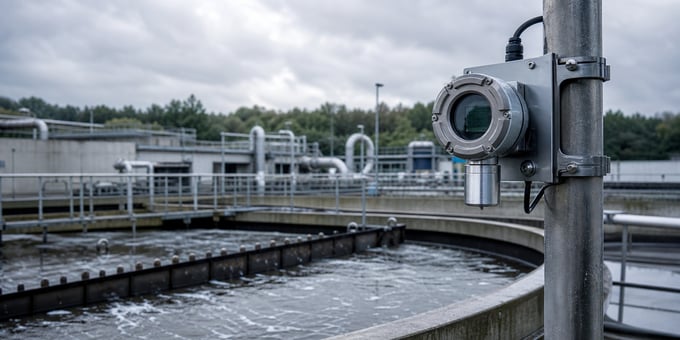
CO Sensor Technology in Wastewater Treatment: A Comprehensive Guide to Safety and Efficiency


CO Sensor Technology in Wastewater Treatment: A Comprehensive Guide to Safety and Efficiency
Carbon monoxide (CO) poses a serious threat in wastewater treatment facilities, making reliable CO sensor technology essential for worker safety and operational efficiency. As a silent killer that claims hundreds of lives annually, CO detection in wastewater environments demands particular attention due to the unique challenges these facilities present.
Understanding CO Hazards in Wastewater Treatment
Wastewater treatment plants face unique risks from carbon monoxide exposure. The gas can accumulate in confined spaces, manholes, and treatment areas, often generated through biological processes or equipment operation. Understanding these risks is crucial for implementing effective monitoring solutions.
| Common CO Sources in Wastewater Facilities | Risk Level | Primary Location |
|---|---|---|
| Decomposing organic matter | High | Digesters, settling tanks |
| Engine-driven equipment | Medium | Pump stations, generator rooms |
| Chemical reactions | Medium | Treatment tanks, chemical storage |
Essential Features of Modern CO Sensors
Modern CO sensors incorporate several critical features that make them particularly effective in wastewater applications:
1. Environmental Resistance
Wastewater environments present challenging conditions including high humidity, corrosive gases, and varying temperatures. Quality CO sensors must withstand these conditions while maintaining accuracy. Look for sensors with IP66 or higher ratings and corrosion-resistant housings.
2. Remote Monitoring Capabilities
Advanced CO sensors now integrate with SCADA systems and remote monitoring platforms, enabling real-time data access and immediate alert notifications. RACO's Catalyst and AlarmAgent systems provide seamless integration with CO sensors, ensuring continuous monitoring and rapid response to dangerous conditions.
3. Calibration and Maintenance
Regular calibration ensures accurate readings and reliable protection. Modern sensors often feature self-diagnostic capabilities and simplified calibration processes, reducing maintenance requirements while maintaining performance.
Strategic Sensor Placement and Coverage
Effective CO monitoring requires careful consideration of sensor placement. Key factors include:
Physical Properties of CO
Carbon monoxide has a density similar to air, which influences its distribution in spaces. Understanding this helps determine optimal sensor placement heights and coverage patterns.
| Location Type | Recommended Sensor Height | Coverage Area |
|---|---|---|
| Confined spaces | 4-6 feet from floor | 250-400 sq ft |
| Open areas | 5-7 feet from floor | 800-1000 sq ft |
| Near potential sources | Source height ± 2 feet | 100-200 sq ft |
Integration with Alarm Systems
CO sensors must be part of a comprehensive alarm and notification system. RACO's solutions provide multiple integration options:
Direct Integration Benefits
- Immediate notification through multiple channels (voice, text, email)
- Automated escalation procedures
- Historical data logging for trend analysis and compliance
- Remote system management capabilities
Maintenance and Best Practices
Maintaining CO sensor systems requires a structured approach:
Regular Maintenance Schedule
Implement a comprehensive maintenance program including:
- Monthly visual inspections and response tests
- Quarterly calibration checks
- Annual full system audits
- Documentation of all maintenance activities
Compliance and Regulations
CO sensor installations must meet various regulatory requirements:
| Regulatory Body | Key Requirements | Update Frequency |
|---|---|---|
| OSHA | Maximum exposure limits, monitoring requirements | Annual review |
| EPA | Environmental impact guidelines | Bi-annual review |
| State/Local | Specific regional requirements | Varies by jurisdiction |
Future Trends in CO Sensor Technology
The field of CO detection continues to evolve with emerging technologies:
Advanced Features
New developments include:
- AI-powered predictive maintenance
- Enhanced wireless connectivity options
- Improved sensor longevity and reliability
- Integration with smart facility management systems
Conclusion
Implementing effective CO sensor systems in wastewater treatment facilities requires careful consideration of multiple factors, from sensor selection and placement to integration and maintenance. By following these guidelines and leveraging modern monitoring solutions like RACO's alarm systems, facilities can ensure optimal safety and operational efficiency.
Recommended Internal Links:
- Wastewater monitoring systems
- SCADA integration
- Remote monitoring solutions
- Alarm notification systems
- Industrial safety compliance


