


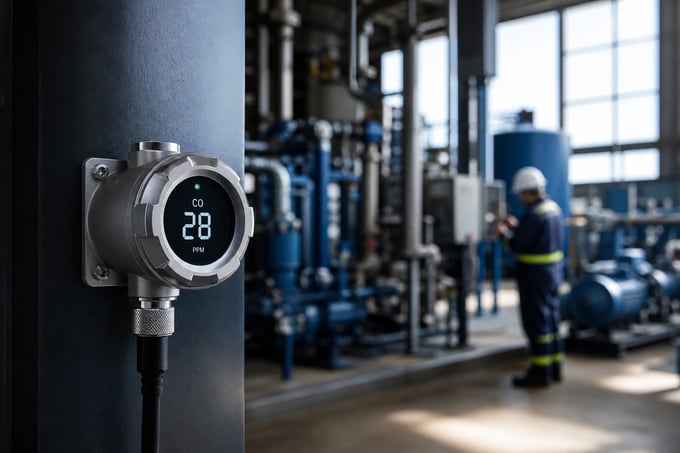
CO Sensor Guide: Everything You Need to Know About Carbon Monoxide Detection


CO Sensor Guide: Everything You Need to Know About Carbon Monoxide Detection
Carbon monoxide (CO) detection is crucial for protecting lives and ensuring safety across various industries and residential settings. As a silent, odorless killer, CO requires reliable detection systems that can alert facility managers and homeowners before dangerous levels accumulate. This comprehensive guide explores everything you need to know about CO sensors, their applications, and how they integrate with modern monitoring systems.
Understanding CO Sensors: The Basics
A CO sensor is a sophisticated device designed to detect and measure carbon monoxide levels in the air. These sensors use various detection methods to identify the presence of this dangerous gas and trigger alerts when concentrations reach concerning levels. Modern CO sensors typically employ one of three main technologies:
| Sensor Type | Detection Method | Typical Applications |
|---|---|---|
| Electrochemical | Chemical reaction producing electrical current | Industrial facilities, residential use |
| Metal Oxide Semiconductor | Resistance changes in heated metal oxide | Commercial buildings, parking structures |
| Biomimetic | Gel color changes simulating blood reaction | Residential alarms, small facilities |
Critical Applications for CO Sensors
CO sensors play vital roles across numerous industries and applications. Understanding where these devices are most needed helps facility managers make informed decisions about their implementation:
Industrial Facilities
Manufacturing plants, warehouses, and processing facilities often generate CO as a byproduct of various operations. CO sensors in these environments provide:
- Continuous monitoring of workspace air quality - Integration with ventilation systems - Emergency shutdown capabilities - OSHA compliance documentationWastewater Treatment Plants
In wastewater treatment facilities, CO sensors are essential components of safety systems. These environments present unique challenges where gases can accumulate in confined spaces and treatment areas. Key benefits include:
- Protection for workers entering confined spaces - Monitoring of treatment process emissions - Integration with SCADA systems for comprehensive facility management - Early warning for potential equipment malfunctionsIntegration with Modern Monitoring Systems
Today's CO sensors are more than standalone devices. They form part of comprehensive monitoring solutions that protect facilities and their workers. Modern integration capabilities include:
Remote Monitoring Solutions
Advanced CO sensors can connect to remote monitoring systems, enabling:
- Real-time data transmission - Cloud-based analytics - Mobile alerts and notifications - Historical data tracking for complianceSCADA Integration
When connected to SCADA systems, CO sensors provide:
- Centralized monitoring capabilities - Automated response protocols - Data logging for regulatory compliance - Trend analysis for predictive maintenanceMaintenance and Calibration Requirements
Proper maintenance ensures CO sensor reliability and accuracy. Essential maintenance practices include:
| Maintenance Task | Frequency | Importance |
|---|---|---|
| Calibration | Every 6 months | Critical for accuracy |
| Physical Inspection | Monthly | Ensures proper operation |
| Sensor Replacement | 2-3 years | Maintains reliability |
Selecting the Right CO Sensor System
When choosing a CO sensor system, consider these crucial factors:
Environmental Conditions
Assess your facility's specific requirements:
- Temperature ranges - Humidity levels - Potential interfering gases - Space constraintsMonitoring Requirements
Determine your specific monitoring needs:
- Required detection ranges - Response time requirements - Integration capabilities - Regulatory compliance needsBest Practices for CO Sensor Implementation
Successful CO sensor deployment requires careful planning and execution. Key considerations include:
Placement Strategy
Optimal sensor placement ensures effective monitoring:
- Install at appropriate heights based on gas properties - Consider air flow patterns - Account for potential interference sources - Ensure accessibility for maintenanceEmergency Response Planning
Develop comprehensive response protocols:
- Clear evacuation procedures - Emergency contact protocols - Regular staff training - Documentation requirementsFuture Trends in CO Sensor Technology
The CO sensor industry continues to evolve with emerging technologies:
- IoT integration capabilities - Advanced data analytics - Improved sensor longevity - Enhanced wireless connectivity - Artificial intelligence integrationConclusion
CO sensors are critical safety devices that require careful selection, implementation, and maintenance. By understanding their capabilities, requirements, and integration options, facility managers can better protect their personnel and assets. Regular maintenance, proper placement, and integration with modern monitoring systems ensure optimal performance and safety compliance.
For expert guidance on implementing CO sensor systems in your facility, contact RACO Manufacturing & Engineering. Our team specializes in creating comprehensive monitoring solutions that protect your assets and personnel while ensuring regulatory compliance.


