

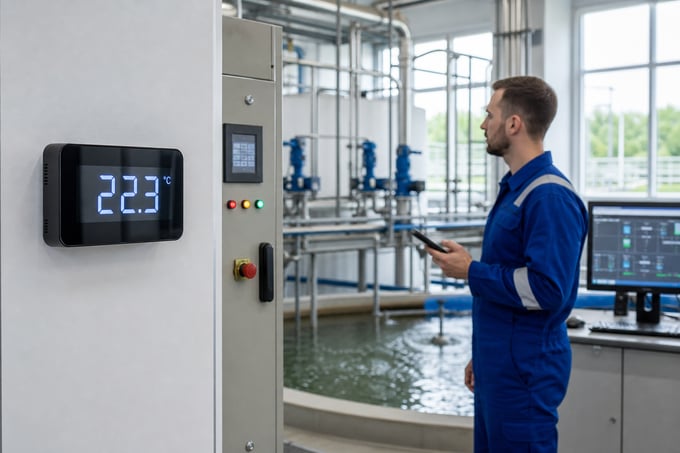
Ambient Thermometer Guide: Essential Temperature Monitoring for Wastewater Systems


Ambient Thermometer Guide: Essential Temperature Monitoring for Wastewater Systems
Temperature monitoring plays a crucial role in wastewater treatment processes, and ambient thermometers are at the heart of this essential function. As wastewater professionals know, maintaining optimal temperature conditions isn't just about compliance – it's about ensuring efficient treatment processes and protecting expensive equipment. This comprehensive guide explores everything you need to know about ambient thermometers in wastewater applications.
Understanding Ambient Thermometers in Wastewater Operations
An ambient thermometer measures the surrounding environmental temperature, providing critical data for wastewater treatment facilities. Unlike process thermometers that measure liquid temperatures directly, ambient thermometers monitor the atmospheric conditions that can impact treatment efficiency and equipment performance.
Why Temperature Monitoring Matters in Wastewater Treatment
Temperature affects virtually every aspect of wastewater treatment:
| Process | Temperature Impact |
|---|---|
| Biological Treatment | Affects microbial activity and growth rates |
| Chemical Reactions | Influences reaction speeds and effectiveness |
| Equipment Performance | Impacts operational efficiency and maintenance needs |
| Treatment Compliance | Ensures regulatory temperature requirements are met |
Key Features of Modern Ambient Thermometers
Today's ambient thermometers offer sophisticated features that go beyond simple temperature readings:
Essential Capabilities
- Remote monitoring capabilities
- Digital displays with backlit screens
- Data logging functionality
- Integration with SCADA systems
- Alarm notifications for temperature excursions
Integration with Alarm Systems
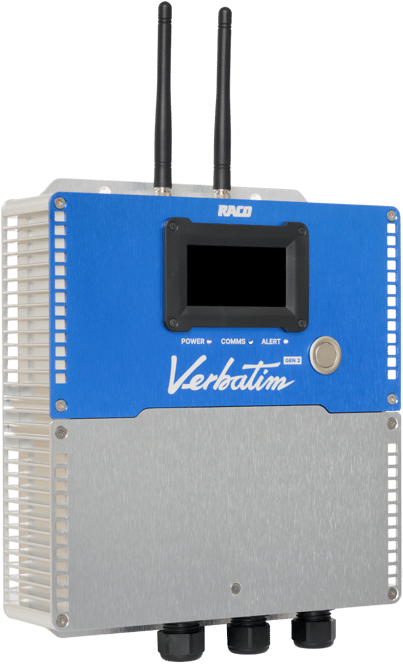
Modern ambient thermometers can be integrated with advanced alarm systems like RACO's Catalyst and Guard-It systems. These integrations provide real-time temperature monitoring and instant notifications when temperatures fall outside acceptable ranges. This capability is particularly crucial for protecting temperature-sensitive equipment and processes.
Benefits of Automated Temperature Monitoring
Implementing automated temperature monitoring through integrated ambient thermometers offers numerous advantages:
- 24/7 continuous monitoring without manual checks
- Immediate notification of temperature anomalies
- Historical data tracking for trend analysis
- Reduced risk of equipment damage
- Enhanced compliance reporting capabilities
Best Practices for Ambient Thermometer Installation
Proper installation is crucial for accurate temperature monitoring. Consider these key factors:
Location Considerations
Install ambient thermometers:
- Away from direct sunlight and heat sources
- In areas with good air circulation
- At appropriate heights for accurate readings
- Near critical equipment requiring temperature monitoring
Maintenance and Calibration
Regular maintenance ensures reliable temperature monitoring:
| Maintenance Task | Frequency | Importance |
|---|---|---|
| Calibration Check | Quarterly | Essential for accuracy |
| Sensor Cleaning | Monthly | Prevents reading errors |
| Battery Replacement | As needed | Ensures continuous operation |
| System Testing | Semi-annually | Validates alarm functionality |
Integrating with Modern SCADA Systems
Modern ambient thermometers can be seamlessly integrated with SCADA systems for comprehensive facility monitoring. This integration enables:
- Centralized temperature monitoring
- Automated data collection and reporting
- Enhanced trend analysis capabilities
- Improved operational efficiency
Regulatory Compliance and Documentation
Proper temperature monitoring is often required for regulatory compliance. Modern ambient thermometers help facilities:
- Meet EPA temperature monitoring requirements
- Generate automated compliance reports
- Maintain accurate historical records
- Demonstrate due diligence in facility operations
Future Trends in Temperature Monitoring
The future of ambient temperature monitoring is evolving with new technologies:
- IoT-enabled sensors for enhanced connectivity
- AI-powered predictive maintenance
- Cloud-based data storage and analysis
- Advanced mobile monitoring capabilities
Conclusion
Ambient thermometers are essential tools in modern wastewater treatment facilities. When properly integrated with alarm systems and SCADA networks, they provide crucial temperature monitoring that helps protect equipment, ensure process efficiency, and maintain regulatory compliance. By following best practices for installation, maintenance, and integration, facilities can maximize the benefits of these important monitoring devices.
Recommended Internal Links:
- SCADA Systems
- Wastewater Monitoring
- Alarm Systems
- Remote Monitoring
- Temperature Sensors
- Regulatory Compliance