

Carbon Monoxide Sensors: A Complete Guide to Industrial Safety & Monitoring


Carbon Monoxide Sensors: A Complete Guide to Industrial Safety & Monitoring
Carbon monoxide (CO) poses a serious threat in industrial environments, earning its reputation as the "silent killer." As a leading expert in industrial monitoring solutions, I've witnessed firsthand how proper CO detection can mean the difference between life and death. This comprehensive guide explores everything you need to know about carbon monoxide sensors, from their critical importance to implementation strategies in industrial settings.
Understanding Carbon Monoxide and Its Industrial Risks
Carbon monoxide is a colorless, odorless gas produced by incomplete combustion of carbon-based fuels. In industrial settings, CO can emanate from various sources:
| Common Industrial CO Sources | Risk Level | Typical Applications |
|---|---|---|
| Combustion Engines | High | Warehouses, Loading Docks |
| Furnaces | High | Manufacturing Plants |
| Welding Operations | Medium | Fabrication Shops |
| Gas-Powered Equipment | Medium | Construction Sites |
Types of Carbon Monoxide Sensors
Several types of carbon monoxide sensors are available for industrial applications, each with specific advantages:
1. Electrochemical Sensors
These sensors use chemical reactions to detect CO levels, offering high accuracy and quick response times. They're particularly effective in environments where precise measurements are crucial, such as confined spaces or areas with potential gas leaks.
2. Metal Oxide Semiconductor (MOS) Sensors
MOS sensors provide continuous monitoring capabilities and are known for their durability in harsh industrial environments. They're especially suitable for long-term installation in manufacturing facilities.
3. Infrared Sensors
Using infrared technology, these sensors offer exceptional accuracy and minimal false alarms. They excel in environments where other sensor types might be compromised by interfering gases.
Key Features of Industrial Carbon Monoxide Sensors
When selecting a carbon monoxide sensor for industrial applications, consider these essential features:
| Feature | Importance | Impact on Operations |
|---|---|---|
| Response Time | Critical | Faster evacuation and emergency response |
| Accuracy | High | Reliable detection and fewer false alarms |
| Remote Monitoring | Essential | Real-time data access and quick response |
| Integration Capabilities | Important | Seamless connection with existing systems |
Implementation and Best Practices
Proper implementation of carbon monoxide sensors requires careful planning and consideration of several factors:
Sensor Placement
Strategic placement is crucial for effective CO detection. Consider these guidelines:
- Install sensors at breathing height (approximately 5 feet from the floor)
- Place additional sensors near potential CO sources
- Ensure coverage of all occupied areas
- Account for air flow patterns in the facility
Maintenance Requirements
Regular maintenance ensures reliable operation of CO sensors:
- Calibrate sensors according to manufacturer specifications
- Replace sensors at recommended intervals
- Document all maintenance activities
- Train staff on proper maintenance procedures
Advanced Monitoring Solutions
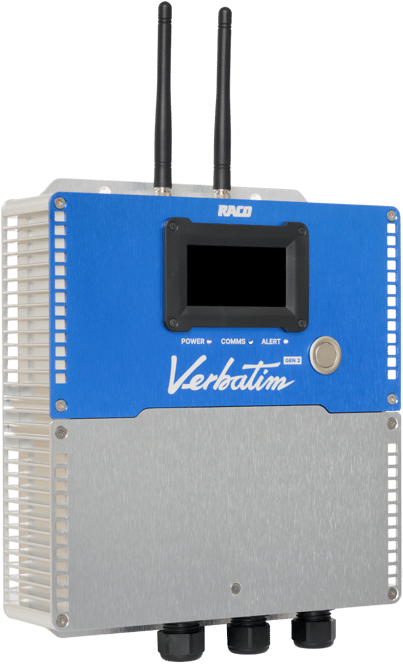
Modern carbon monoxide sensors often integrate with comprehensive monitoring systems. RACO's Verbatim Gateway, for example, provides real-time monitoring and instant alerts when CO levels exceed safe thresholds. This integration enables:
- 24/7 remote monitoring capabilities
- Automated alert systems
- Data logging and trend analysis
- Integration with building management systems
Regulatory Compliance and Standards
Industrial facilities must comply with various regulations regarding CO monitoring:
| Organization | Standard | Requirement |
|---|---|---|
| OSHA | 29 CFR 1910.1000 | 50 ppm TWA |
| NIOSH | REL | 35 ppm TWA |
| ACGIH | TLV | 25 ppm TWA |
Future Trends in CO Detection
The future of carbon monoxide sensing technology is evolving rapidly, with several emerging trends:
- IoT integration for enhanced connectivity
- AI-powered predictive maintenance
- Improved sensor longevity
- Enhanced data analytics capabilities
Conclusion
Implementing effective carbon monoxide sensors is crucial for industrial safety. By understanding the various types, features, and best practices for implementation, facilities can better protect their workers and assets. Regular maintenance, proper placement, and integration with modern monitoring systems ensure optimal performance and compliance with safety regulations.
For more information about industrial monitoring solutions and CO detection systems, contact RACO's team of experts or explore our comprehensive range of monitoring solutions.