


Cell Modem Technology: The Ultimate Guide to Industrial Remote Monitoring Solutions


Cell Modem Technology: The Ultimate Guide to Industrial Remote Monitoring Solutions
In today's interconnected industrial landscape, reliable remote monitoring is no longer a luxury—it's a necessity. At the heart of this technological revolution lies the cell modem, a crucial component that enables seamless communication between remote equipment and central monitoring systems. Whether you're managing wastewater treatment facilities, industrial processes, or critical infrastructure, understanding cell modem technology is essential for maintaining operational efficiency and preventing costly system failures.
What is a Cell Modem and How Does it Work?
A cell modem, or cellular modem, is a specialized device that enables data communication over cellular networks. Unlike traditional landline connections, cell modems leverage existing cellular infrastructure to transmit data wirelessly, providing flexibility and reliability in remote monitoring applications.
Key components of a cell modem system include:
| Component | Function |
|---|---|
| Cellular Radio | Transmits and receives data over cellular networks |
| SIM Card | Provides cellular network authentication and access |
| Antenna | Enhances signal reception and transmission |
| Processing Unit | Manages data conversion and communication protocols |
The Evolution of Industrial Cell Modem Technology
The progression of cellular technology has revolutionized industrial remote monitoring capabilities:
2G to 5G: A Journey of Innovation
From early 2G networks to today's 5G capabilities, cell modems have evolved to offer:
- Increased data transmission speeds (from kilobits to gigabits per second)
- Enhanced network reliability and coverage
- Reduced latency for real-time monitoring
- Improved power efficiency for remote installations
Benefits of Cell Modems in Industrial Applications
Reliability in Remote Locations
Cell modems excel in providing reliable connectivity where traditional communication methods fall short. In wastewater treatment facilities, for example, RACO's AlarmAgent.com utilizes cellular technology to ensure continuous monitoring of critical systems, even in remote locations.
Cost-Effective Implementation
Compared to traditional hardwired solutions, cell modems offer significant cost advantages:
| Cost Factor | Cell Modem Advantage |
|---|---|
| Installation | No trenching or cable laying required |
| Maintenance | Reduced physical infrastructure maintenance |
| Scalability | Easy addition of new monitoring points |
| Network Updates | Automatic carrier network improvements |
Industrial Applications of Cell Modems
Wastewater Management
In wastewater treatment facilities, cell modems play a crucial role in:
- Monitoring pump station operations
- Tracking flow rates and water levels
- Alerting operators to system failures
- Recording and transmitting compliance data
Manufacturing and Process Control
Cell modems enable real-time monitoring of:
- Production line metrics
- Equipment performance data
- Environmental conditions
- Quality control parameters
Selecting the Right Cell Modem Solution
When choosing a cell modem for industrial applications, consider these critical factors:
Network Compatibility
Ensure your chosen solution supports:
- Multiple carrier networks for redundancy
- Current and future cellular technologies
- Regional network availability
Environmental Considerations
Industrial cell modems must withstand:
| Factor | Requirement |
|---|---|
| Temperature Range | -30°C to +70°C typical operating range |
| Moisture Protection | IP66 or higher rating |
| Vibration Resistance | Industrial-grade shock protection |
RACO's Cell Modem Solutions
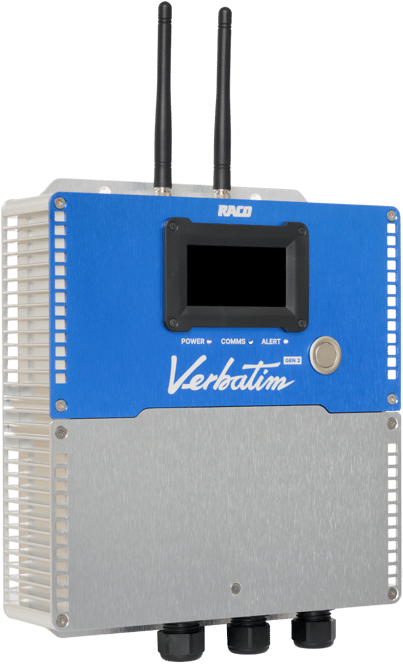
RACO Manufacturing & Engineering offers advanced cell modem solutions designed specifically for industrial applications. Our AlarmAgent.com system leverages cellular technology to provide:
- 24/7 remote monitoring capabilities
- Instant alarm notifications
- Secure data transmission
- Cloud-based reporting and analytics
Best Practices for Cell Modem Implementation
Installation Guidelines
Follow these key steps for optimal cell modem performance:
- Conduct a thorough site survey for signal strength
- Position antennas for maximum reception
- Implement proper grounding and surge protection
- Configure security settings and access controls
Future of Cell Modem Technology
The industrial cell modem landscape continues to evolve with:
- Integration of IoT capabilities
- Enhanced cybersecurity features
- Improved energy efficiency
- Advanced diagnostic capabilities
Conclusion
Cell modems have become indispensable in modern industrial remote monitoring applications. Their reliability, cost-effectiveness, and versatility make them ideal for various industrial applications, particularly in wastewater management and manufacturing processes. As technology continues to advance, cell modems will play an increasingly crucial role in ensuring efficient and reliable industrial operations.
For more information about implementing cell modem solutions in your industrial application, contact RACO's expert team or explore our range of remote monitoring solutions.