

Cellular Alarm Monitoring: The Ultimate Guide to Modern Industrial Alarm Systems


In today's interconnected industrial landscape, reliable alarm monitoring isn't just a luxury—it's a necessity. Cellular alarm monitoring has emerged as the gold standard for industrial facilities, particularly in water and wastewater management, where continuous operation is critical. This comprehensive guide explores why cellular monitoring has become the preferred choice for industry professionals and how it's revolutionizing industrial alarm systems.
Understanding Cellular Alarm Monitoring
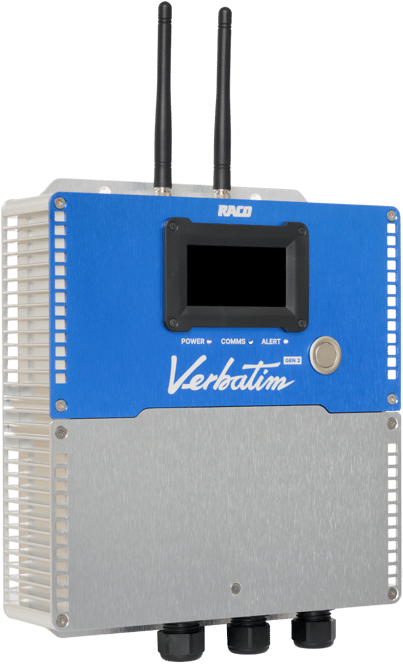
Cellular alarm monitoring utilizes cellular networks to transmit alarm signals from industrial equipment to monitoring centers or personnel. Unlike traditional landline systems, cellular monitoring provides reliable, wireless communication that remains functional even when power or telephone lines fail. This technology has become increasingly crucial for maintaining operational continuity and preventing costly system failures.
Key Components of a Cellular Alarm Monitoring System
| Component | Function |
|---|---|
| Cellular Communicator | Transmits alarm signals through cellular networks |
| Control Panel | Processes and manages alarm inputs |
| Sensors | Detect various conditions (level, pressure, temperature) |
| Monitoring Software | Receives and displays alarm data |
Benefits of Cellular Alarm Monitoring
Modern cellular alarm monitoring systems offer numerous advantages over traditional monitoring methods:
1. Enhanced Reliability
Cellular networks provide redundant coverage through multiple towers and carriers, ensuring consistent communication even in challenging conditions. This redundancy is particularly valuable in remote locations where traditional infrastructure might be limited or unreliable.
2. Cost-Effective Operation
While initial setup costs may be comparable to landline systems, cellular monitoring typically offers lower long-term operational costs. There's no need for dedicated phone lines, and maintenance requirements are minimal compared to hardwired systems.
3. Rapid Installation
Without the need for physical telephone lines or complex wiring, cellular alarm systems can be installed and activated quickly. This reduces downtime and minimizes disruption to existing operations.
Applications in Water and Wastewater Management
The water and wastewater industry particularly benefits from cellular alarm monitoring systems. These systems provide critical oversight for:
Lift Station Monitoring
Cellular alarm systems continuously monitor pump stations, providing real-time alerts for:
- High water levels
- Pump failures
- Power outages
- Equipment malfunctions
Treatment Plant Operations
In treatment facilities, cellular monitoring ensures:
- Chemical level monitoring
- Process control oversight
- Equipment performance tracking
- Regulatory compliance monitoring
Selecting the Right Cellular Alarm Monitoring System
When choosing a cellular alarm monitoring system, consider these crucial factors:
Network Coverage
Verify cellular coverage in your area and ensure the system supports multiple carriers for redundancy. RACO's AlarmAgent.com, for example, utilizes major cellular networks to provide comprehensive coverage across North America.
Monitoring Capabilities
Look for systems that offer:
- Real-time status updates
- Historical data logging
- Custom alert parameters
- Remote programming capabilities
Implementation Best Practices
To maximize the effectiveness of your cellular alarm monitoring system:
1. System Planning
Conduct a thorough site assessment to identify:
- Critical monitoring points
- Signal strength requirements
- Backup power needs
- Integration requirements with existing systems
2. Regular Maintenance
Establish a maintenance schedule that includes:
- Monthly system tests
- Battery checks
- Signal strength verification
- Sensor calibration
Future Trends in Cellular Alarm Monitoring
The industry continues to evolve with emerging technologies:
5G Integration
As 5G networks expand, cellular alarm systems will benefit from:
- Faster response times
- Enhanced data transmission capabilities
- Improved reliability
- Greater device connectivity
Conclusion
Cellular alarm monitoring represents the future of industrial alarm systems, offering unparalleled reliability, flexibility, and efficiency. For water and wastewater facilities, these systems provide essential oversight and peace of mind. By choosing the right system and following implementation best practices, organizations can ensure their operations remain secure and efficient.
Recommended Internal Links:
- SCADA systems
- Remote monitoring solutions
- Industrial automation
- Pump station alarms
- Wastewater treatment monitoring