

Cellular Dialers: The Ultimate Guide to Remote Industrial Monitoring & Alarm Systems


Cellular Dialers: The Ultimate Guide to Remote Industrial Monitoring & Alarm Systems
In today's interconnected industrial landscape, reliable communication between critical infrastructure and operators is non-negotiable. Cellular dialers have emerged as the cornerstone of modern remote monitoring systems, providing dependable alarm notifications and status updates for industrial applications. This comprehensive guide explores everything you need to know about cellular dialers, from their fundamental operation to advanced applications in industrial settings.
What is a Cellular Dialer?
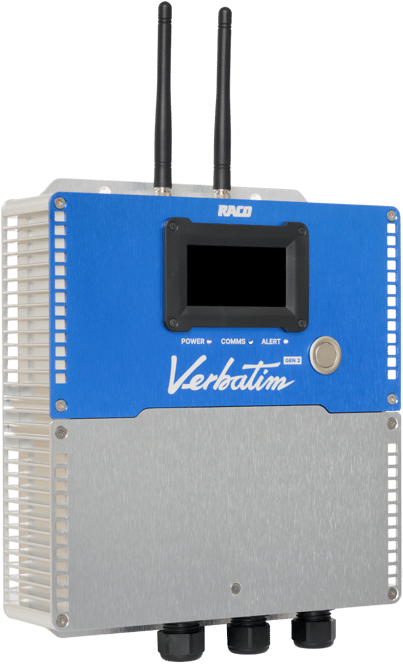
A cellular dialer is a sophisticated communication device that uses cellular networks to transmit alarm signals, status updates, and critical data from remote industrial equipment to designated personnel. Unlike traditional landline-based systems, cellular dialers leverage mobile networks to ensure consistent connectivity and reliable notification delivery.
Key Components of a Cellular Dialer System
Modern cellular dialers comprise several essential components:
| Component | Function |
|---|---|
| Cellular Module | Manages communication over cellular networks |
| Input/Output Interfaces | Connects to industrial equipment and sensors |
| Processing Unit | Handles alarm logic and communication protocols |
| Power Supply | Provides reliable system operation |
Benefits of Cellular Dialers in Industrial Applications
Industrial facilities increasingly rely on cellular dialers for their monitoring needs due to several compelling advantages:
1. Enhanced Reliability
Cellular networks offer redundant coverage paths, ensuring messages get through even when individual towers experience issues. Modern cellular dialers can automatically switch between carriers to maintain connectivity, providing superior reliability compared to traditional landline systems.
2. Cost-Effective Operation
The elimination of dedicated phone lines and reduced infrastructure requirements make cellular dialers more economical over time. Monthly operating costs are typically lower than maintaining traditional telephone lines, especially for remote locations.
3. Flexible Installation
Without the need for physical telephone lines, cellular dialers can be installed virtually anywhere with cellular coverage. This flexibility is particularly valuable for remote pumping stations, treatment facilities, and other isolated industrial applications.
Critical Applications in Water and Wastewater
The water and wastewater industry particularly benefits from cellular dialer technology in several key areas:
Lift Station Monitoring
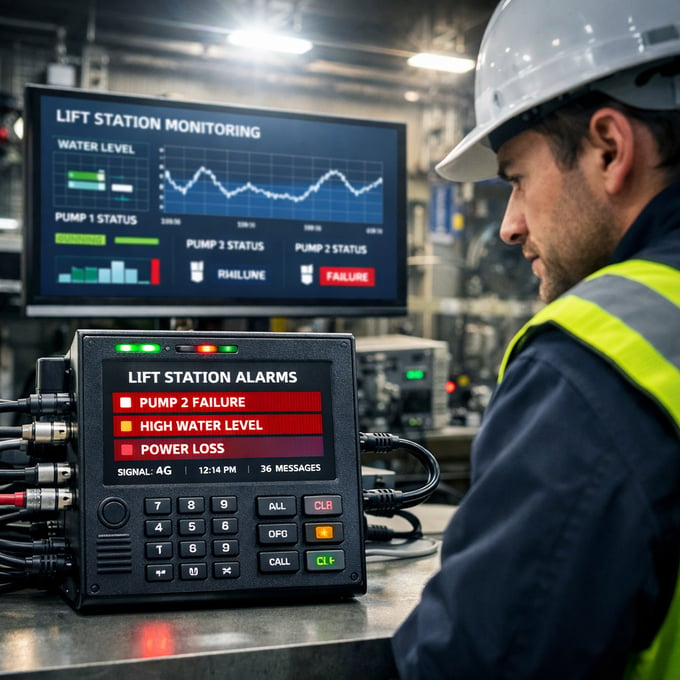
Cellular dialers provide real-time monitoring of pump status, water levels, and potential overflow conditions. When integrated with SCADA systems, they enable comprehensive remote management of lift station operations.
Treatment Plant Operations
From chemical level monitoring to equipment status alerts, cellular dialers ensure treatment plant operators receive immediate notification of any operational issues requiring attention.
Selecting the Right Cellular Dialer
When choosing a cellular dialer for industrial applications, consider these essential factors:
Network Compatibility
Modern cellular dialers should support multiple cellular technologies, including:
- 4G LTE networks
- 3G fallback capabilities
- Future 5G compatibility
Communication Features
Look for dialers offering diverse notification options:
| Feature | Benefit |
|---|---|
| Voice Calls | Direct communication for critical alerts |
| SMS Messages | Quick status updates and notifications |
| Email Alerts | Detailed information and data logging |
Best Practices for Implementation
Successful cellular dialer deployment requires careful attention to several key factors:
Signal Strength Optimization
Proper antenna placement and selection are crucial for reliable operation. Consider using high-gain antennas or signal boosters in areas with marginal coverage.
Backup Power Systems
Implement reliable backup power solutions to ensure continuous operation during power outages. This typically includes:
- Battery backup systems with appropriate capacity
- Regular battery maintenance and testing
- Power monitoring and low battery alerts
Future Trends in Cellular Dialer Technology
The cellular dialer industry continues to evolve with emerging technologies and capabilities:
IoT Integration
Modern cellular dialers increasingly incorporate IoT functionality, enabling enhanced data collection, analysis, and remote control capabilities.
Advanced Analytics
Integration with cloud-based platforms provides predictive maintenance capabilities and detailed operational insights.
Conclusion
Cellular dialers represent a critical component in modern industrial monitoring systems, offering reliability, flexibility, and cost-effectiveness. As technology continues to advance, these devices will play an increasingly important role in ensuring efficient and reliable industrial operations.
Recommended Internal Links:
- SCADA systems
- Remote monitoring
- Industrial automation
- Pump monitoring
- Alarm notification systems