

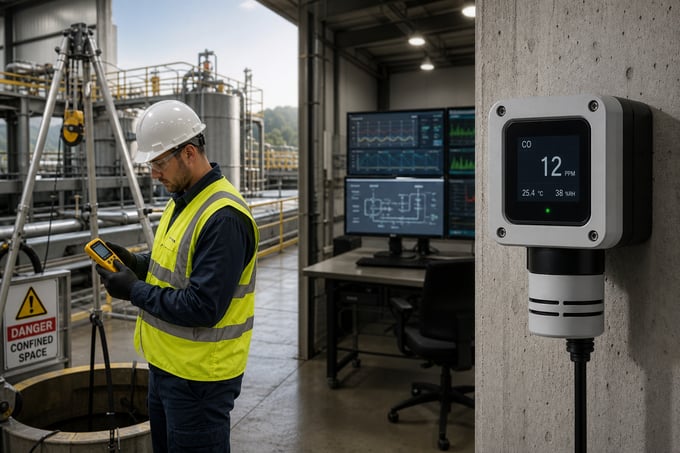
CO Sensor Guide: Understanding Carbon Monoxide Detection Systems for Industrial Safety


CO Sensor Guide: Understanding Carbon Monoxide Detection Systems for Industrial Safety
Carbon monoxide (CO) detection is crucial for protecting human life and ensuring workplace safety across numerous industries. As a silent, odorless killer, CO requires sophisticated sensing technology to alert facility managers and operators before dangerous conditions develop. This comprehensive guide explores CO sensor technology, applications, and best practices for implementation in industrial settings.
What is a CO Sensor and How Does It Work?
A CO sensor is a sophisticated detection device that monitors the presence and concentration of carbon monoxide in the air. These vital safety instruments use various sensing technologies to provide accurate, real-time measurements of CO levels.
Common CO Sensor Technologies
| Sensor Type | Operating Principle | Typical Applications |
|---|---|---|
| Electrochemical | Chemical reaction produces electrical current proportional to CO concentration | Industrial facilities, HVAC systems |
| Semiconductor | CO exposure changes electrical resistance of sensing element | Portable detectors, residential use |
| Infrared | Measures CO absorption of specific infrared wavelengths | High-precision industrial monitoring |
Critical Applications for CO Sensors in Industry
CO sensors play vital roles across multiple industrial sectors, protecting workers and ensuring regulatory compliance. Understanding these applications helps facility managers implement effective monitoring solutions.
Wastewater Treatment Facilities
In wastewater treatment plants, CO sensors are essential components of safety systems. These facilities often generate carbon monoxide as a byproduct of various treatment processes, particularly in confined spaces and areas with limited ventilation. Modern SCADA systems integrate CO sensors to provide continuous monitoring and automated alerts when dangerous conditions arise.
Manufacturing and Processing Plants
Industrial facilities utilizing combustion processes or operating fuel-powered equipment require comprehensive CO monitoring. Strategic sensor placement ensures early detection of equipment malfunctions or ventilation system failures that could lead to CO accumulation.
Integrating CO Sensors with Alarm Systems
Effective CO monitoring requires more than just sensors – it demands robust integration with alarm and notification systems. Modern industrial facilities utilize sophisticated monitoring solutions that combine multiple safety elements:
Key Integration Components
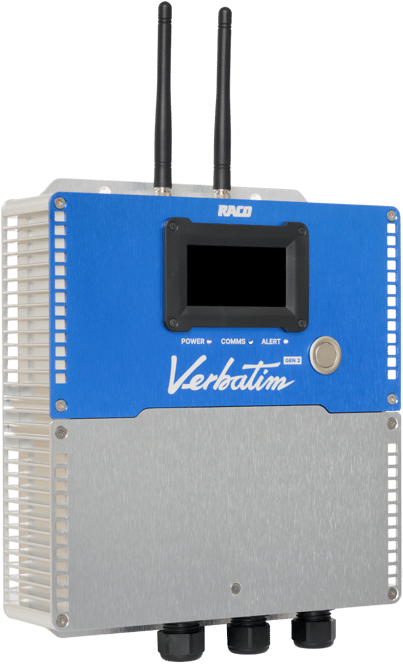
- Remote Terminal Units (RTUs) for data collection and transmission
- SCADA systems for centralized monitoring
- Automated notification systems for rapid response
- Backup power supplies for continuous operation
Best Practices for CO Sensor Implementation
Successful CO monitoring requires careful attention to sensor placement, maintenance, and system integration. Follow these essential guidelines to maximize safety and effectiveness:
Sensor Placement Strategy
Position CO sensors according to these critical factors:
- Air flow patterns and ventilation systems
- Potential CO source locations
- Personnel traffic areas
- Height considerations (CO is slightly lighter than air)
Maintenance and Calibration
Regular maintenance ensures reliable operation and accurate readings:
| Maintenance Task | Frequency | Purpose |
|---|---|---|
| Calibration check | Monthly | Verify accuracy |
| Sensor cleaning | Quarterly | Remove contaminants |
| Full system test | Annually | Comprehensive verification |
Advanced Monitoring Solutions
Modern CO monitoring systems incorporate advanced features that enhance safety and efficiency:
Smart Monitoring Capabilities
Today's CO sensors often include:
- Wireless connectivity for remote monitoring
- Data logging for trend analysis
- Self-diagnostic capabilities
- Integration with building automation systems
Regulatory Compliance and Standards
CO sensor implementation must comply with various regulations and standards:
| Organization | Standard | Requirement |
|---|---|---|
| OSHA | 29 CFR 1910.1000 | PEL of 50 ppm |
| NIOSH | REL | 35 ppm TWA |
| ACGIH | TLV | 25 ppm TWA |
Future Trends in CO Sensor Technology
The field of CO detection continues to evolve with emerging technologies and capabilities:
- IoT integration for enhanced connectivity
- Artificial intelligence for predictive maintenance
- Miniaturization for more flexible deployment
- Extended sensor life and reduced maintenance requirements
Conclusion
CO sensors are critical safety devices that require careful selection, implementation, and maintenance. By understanding the technology, following best practices, and staying current with emerging trends, facility managers can ensure effective protection against carbon monoxide hazards. Regular monitoring, proper integration with alarm systems, and adherence to maintenance schedules will maximize the effectiveness of CO detection systems.
For expert guidance on implementing CO monitoring solutions in your facility, contact RACO Manufacturing & Engineering. Our team specializes in industrial automation and monitoring systems that help protect your personnel and equipment.