

CO2 Sensors in Wastewater Treatment: The Complete Guide to Monitoring and Optimization


CO2 Sensors in Wastewater Treatment: The Complete Guide to Monitoring and Optimization
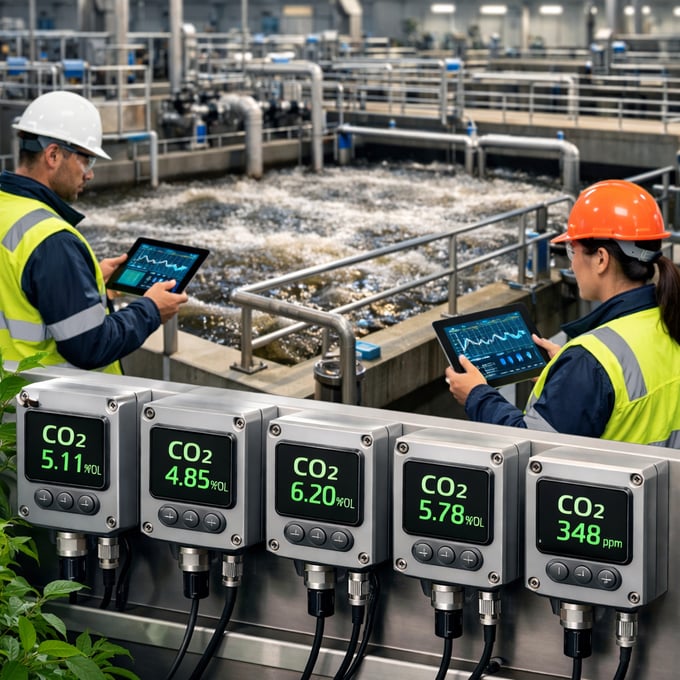
In modern wastewater treatment facilities, precise monitoring of carbon dioxide (CO2) levels is crucial for maintaining optimal treatment processes and ensuring environmental compliance. CO2 sensors play a vital role in this monitoring process, providing real-time data that helps operators make informed decisions and optimize treatment efficiency.
Understanding CO2 Sensors in Wastewater Applications
CO2 sensors are sophisticated monitoring devices that measure carbon dioxide concentrations in various treatment processes. These sensors use different detection methods, including:
| Sensor Type | Detection Method | Best Application |
|---|---|---|
| NDIR (Non-Dispersive Infrared) | Infrared light absorption | Primary treatment monitoring |
| Electrochemical | Chemical reaction measurement | Secondary treatment processes |
| Photoacoustic | Sound wave analysis | Specialized applications |
Critical Applications of CO2 Sensors in Wastewater Treatment
CO2 sensors serve multiple essential functions in wastewater treatment operations:
1. Biological Treatment Process Monitoring
In activated sludge processes, CO2 sensors help operators monitor microbial activity. Higher CO2 levels often indicate increased biological activity, while sudden changes may signal process disruptions requiring immediate attention.
2. Anaerobic Digestion Optimization
During anaerobic digestion, CO2 sensors work alongside methane monitors to assess digester performance. The CO2-to-methane ratio provides valuable insights into digester health and efficiency.
3. Energy Efficiency Management
By monitoring CO2 levels, facilities can optimize aeration systems, reducing energy consumption while maintaining treatment effectiveness. This application often results in significant cost savings.
Integration with SCADA Systems
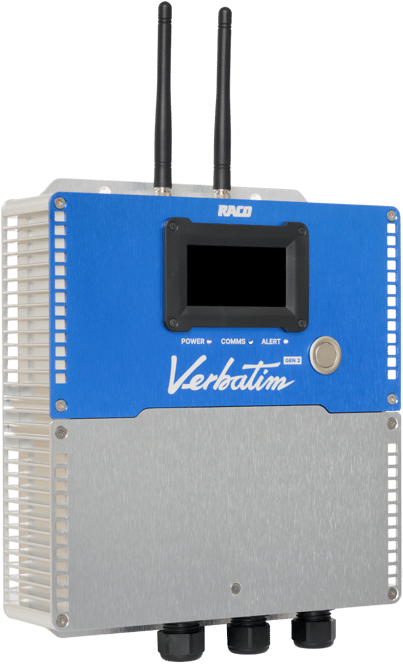
Modern CO2 sensors can integrate seamlessly with SCADA systems through various communication protocols. RACO's Catalyst and AlarmAgent® systems provide robust integration options, enabling:
- Real-time data monitoring and logging
- Automated alarm notifications
- Trend analysis and reporting
- Remote system access and control
Selecting the Right CO2 Sensor System
When choosing a CO2 sensor system for wastewater applications, consider these crucial factors:
| Factor | Consideration |
|---|---|
| Measurement Range | 0-10,000 ppm typical for most applications |
| Environmental Conditions | Temperature, humidity, and chemical resistance |
| Maintenance Requirements | Calibration frequency and cleaning needs |
| Communication Capabilities | Protocol compatibility and integration options |
Best Practices for CO2 Sensor Implementation
Installation Considerations
Proper sensor installation is crucial for accurate measurements. Key considerations include:
- Sensor placement optimization for representative sampling
- Protection from environmental factors
- Proper wiring and grounding
- Regular calibration schedule establishment
Maintenance and Calibration
Regular maintenance ensures reliable operation and accurate measurements. Develop a comprehensive maintenance program that includes:
- Weekly visual inspections
- Monthly cleaning procedures
- Quarterly calibration checks
- Annual sensor replacement or recertification
Advanced Monitoring and Control Strategies
Implementing advanced monitoring strategies with CO2 sensors can significantly improve treatment efficiency:
1. Predictive Maintenance
By analyzing CO2 sensor data trends, operators can predict potential system issues before they become critical problems. This proactive approach reduces downtime and maintenance costs.
2. Process Optimization
Integration with RACO's monitoring systems allows for sophisticated control strategies that automatically adjust treatment parameters based on CO2 levels, optimizing both efficiency and effectiveness.
Regulatory Compliance and Reporting
CO2 sensors play a crucial role in maintaining regulatory compliance. Modern monitoring systems can:
- Generate automated compliance reports
- Track historical data for trend analysis
- Provide audit trails for regulatory inspections
- Enable real-time compliance monitoring
Future Trends in CO2 Sensor Technology
The wastewater industry continues to see innovations in CO2 sensor technology, including:
- Advanced IoT integration capabilities
- Improved sensor accuracy and reliability
- Enhanced self-diagnostic features
- Greater energy efficiency
Conclusion
CO2 sensors are essential tools in modern wastewater treatment facilities, providing crucial data for process optimization and regulatory compliance. By implementing proper sensor selection, installation, and maintenance practices, facilities can maximize the benefits of these monitoring systems while ensuring reliable operation and accurate measurements.
For more information about integrating CO2 sensors with advanced monitoring systems, contact RACO's team of experts or explore our comprehensive range of monitoring solutions.