

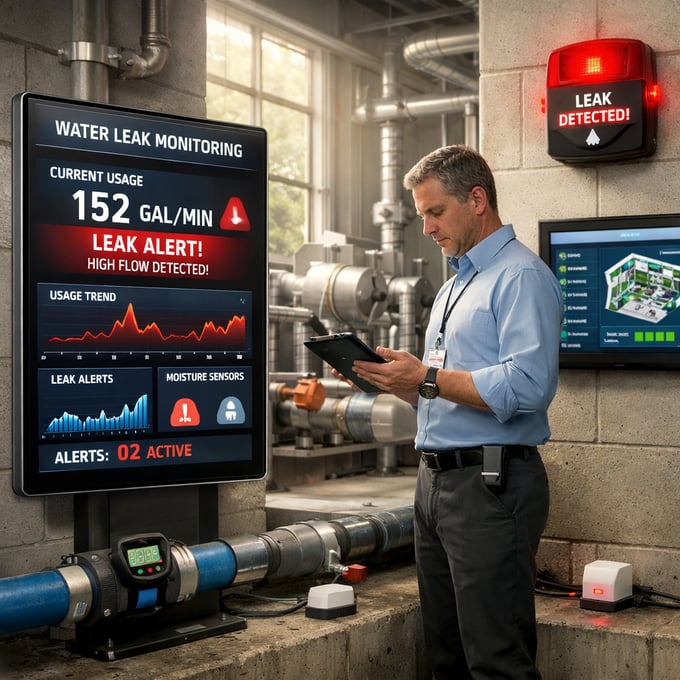
Commercial Water Leak Detection: A Comprehensive Guide to Protecting Your Business


Commercial Water Leak Detection: A Comprehensive Guide to Protecting Your Business
Water leaks in commercial buildings can lead to devastating consequences, from structural damage to significant financial losses. According to the EPA, the average commercial building wastes 30% of its water through leaks and inefficiencies, translating to thousands of dollars in unnecessary expenses annually. Understanding and implementing effective commercial water leak detection systems is crucial for facility managers and business owners.
Understanding the Impact of Commercial Water Leaks
Water leaks in commercial settings pose more significant risks than many realize. Beyond the immediate water damage, undetected leaks can result in:
| Impact Category | Potential Consequences |
|---|---|
| Financial | - Increased utility bills - Property damage repairs - Business interruption costs |
| Structural | - Foundation weakening - Mold growth - Building material deterioration |
| Operational | - Business downtime - Equipment damage - Inventory loss |
Types of Commercial Water Leak Detection Systems
Modern commercial water leak detection technology offers various solutions to suit different facility needs and budgets. Here are the primary categories:
1. Active Leak Detection Systems
Active systems provide real-time monitoring and automatic shut-off capabilities. These systems typically include:
- Flow sensors - Moisture sensors - Automatic shut-off valves - Remote monitoring capabilities - Alert systems2. Passive Leak Detection Systems
Passive systems rely on visual or audible alerts when leaks occur but don't automatically intervene. These include:
- Water sensor alarms - Moisture detection tapes - Visual indicators - Sound monitoring devicesEssential Components of an Effective Commercial Water Leak Detection Strategy
Remote Monitoring and Alerting
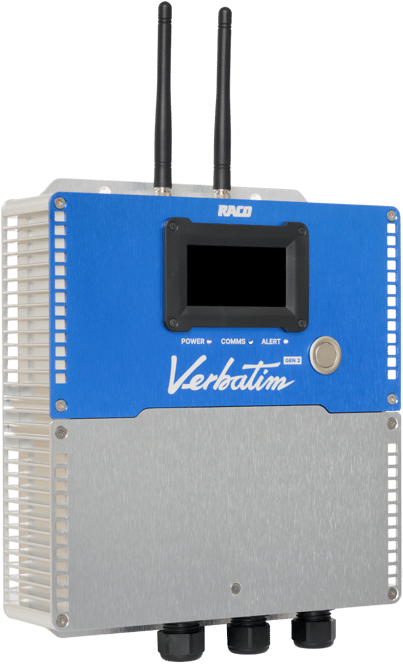
Modern commercial water leak detection systems should incorporate remote monitoring capabilities. RACO's Verbatim Gateway system, for example, provides real-time alerts and monitoring for water management systems, enabling immediate response to potential leaks. This technology allows facility managers to:
- Receive instant notifications of abnormal water usage - Monitor water flow patterns 24/7 - Access historical data for trend analysis - Respond to issues before they become emergenciesIntegration with Building Management Systems
For optimal effectiveness, water leak detection systems should integrate with existing building management systems. This integration enables:
| Feature | Benefit |
|---|---|
| Centralized Control | Single-point management of all building systems |
| Data Analytics | Comprehensive usage patterns and trend analysis |
| Automated Response | Immediate system reactions to detected issues |
Best Practices for Implementation
Successfully implementing a commercial water leak detection system requires careful planning and execution:
1. Risk Assessment
Begin with a thorough evaluation of your facility's water system vulnerabilities:
- Identify critical areas requiring monitoring - Assess historical leak incidents - Evaluate potential impact zones - Document water-dependent processes2. System Selection and Installation
Choose appropriate technology based on your facility's specific needs:
- Consider building size and layout - Evaluate water usage patterns - Account for budget constraints - Plan for future scalability3. Maintenance and Monitoring
Establish regular maintenance protocols:
- Schedule routine system checks - Calibrate sensors regularly - Update monitoring software - Train staff on system operationCost Considerations and ROI
While implementing commercial water leak detection systems requires initial investment, the return on investment (ROI) typically justifies the expense:
| Investment Category | Typical Cost Range | Potential Annual Savings |
|---|---|---|
| Basic System | $2,000 - $5,000 | $5,000 - $10,000 |
| Advanced System | $5,000 - $15,000 | $10,000 - $30,000 |
| Enterprise Solution | $15,000+ | $30,000+ |
Future Trends in Commercial Water Leak Detection
The field of commercial water leak detection continues to evolve with emerging technologies:
- AI-powered predictive maintenance - IoT integration for enhanced monitoring - Machine learning for pattern recognition - Advanced acoustic sensing technology - Cloud-based management platformsConclusion
Implementing effective commercial water leak detection systems is no longer optional for modern businesses. The combination of advanced technology, proper implementation, and regular maintenance can significantly reduce water-related risks and costs. By partnering with experienced providers like RACO Manufacturing & Engineering, businesses can protect their assets while contributing to water conservation efforts.
Ready to protect your facility with advanced water leak detection solutions? Contact RACO's experts today to discuss your specific needs and find the perfect solution for your business.