

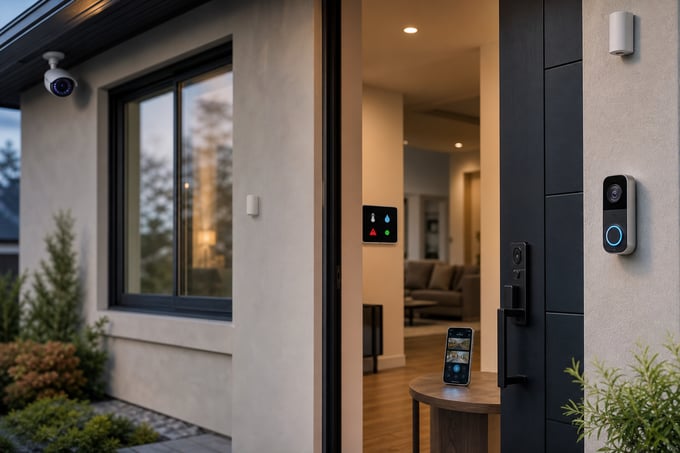
The Complete Guide to House Monitoring Systems: Protecting Your Home in 2024


The Complete Guide to House Monitoring Systems: Protecting Your Home in 2024
In today's increasingly connected world, protecting your home and loved ones has never been more critical. A house monitoring system serves as your property's vigilant guardian, offering peace of mind whether you're asleep upstairs or thousands of miles away. But with the rapid advancement of technology, choosing and implementing the right monitoring solution can feel overwhelming.
What Is a House Monitoring System?
A house monitoring system is an integrated network of sensors, cameras, and control devices that work together to monitor various aspects of your home's security, safety, and environmental conditions. Unlike traditional alarm systems, modern house monitoring solutions offer comprehensive oversight of your property, from security breaches to water leaks and environmental hazards.
Core Components of an Effective House Monitoring System
1. Security Monitoring
The foundation of any robust house monitoring system includes:
- Motion sensors
- Door and window sensors
- Security cameras with night vision
- Glass break detectors
- Smart doorbell cameras
2. Environmental Monitoring
Beyond security, modern systems monitor environmental factors that could damage your property:
| Monitor Type | Purpose | Critical Values |
|---|---|---|
| Temperature Sensors | Prevent freeze damage | Below 40°F (4°C) |
| Humidity Sensors | Prevent mold growth | Above 60% RH |
| Water Sensors | Detect leaks | Any presence |
| Smoke Detectors | Fire prevention | Any detection |
3. Utility Monitoring
Advanced house monitoring systems can track utility usage and potential issues:
- Water flow monitoring
- Electrical consumption tracking
- HVAC system performance
- Sump pump operation
The Technology Behind Modern House Monitoring
Today's monitoring systems leverage several key technologies to provide comprehensive protection:
Wireless Connectivity
Modern systems utilize multiple communication protocols:
- Wi-Fi for high-bandwidth devices like cameras
- Z-Wave or Zigbee for low-power sensors
- Cellular backup for system reliability
Smart Integration
Integration capabilities with other smart home systems enhance functionality:
- Voice control through virtual assistants
- Smart lighting coordination
- Automated HVAC adjustments
- Mobile app control and notifications
Critical Features for Industrial and Commercial Applications
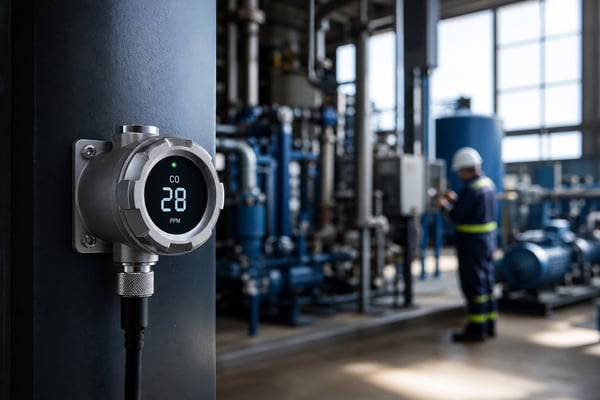
While residential monitoring systems focus on basic security and safety, industrial and commercial applications require more robust features:
Remote Monitoring and Control
Industrial-grade systems should offer:
- 24/7 remote access and control
- Real-time data logging and trending
- Automated alarm notifications
- Customizable reporting capabilities
Advanced Alarm Management
Professional monitoring systems need sophisticated alarm handling:
- Prioritized alarm routing
- Escalation procedures
- Audit trails for all events
- Integration with emergency response systems
Choosing the Right House Monitoring System
Consider these factors when selecting a monitoring system:
1. Coverage Requirements
Assess your property's specific needs:
- Property size and layout
- Number of entry points
- High-risk areas requiring special attention
- Environmental factors specific to your location
2. Integration Capabilities
Ensure compatibility with:
- Existing smart home devices
- Preferred mobile platforms
- Third-party monitoring services
- Future expansion plans
Installation and Maintenance Best Practices
Proper installation and maintenance are crucial for system reliability:
Installation Considerations
- Professional vs. DIY installation options
- Sensor placement optimization
- Network infrastructure requirements
- Backup power solutions
Maintenance Requirements
- Regular system testing
- Software updates
- Battery replacement schedules
- Sensor calibration
Future Trends in House Monitoring
The future of house monitoring systems is evolving with new technologies:
- AI-powered threat detection
- Improved integration with smart city infrastructure
- Enhanced predictive maintenance capabilities
- Advanced biometric security features
Conclusion
A well-designed house monitoring system is an essential investment in your property's security and safety. Whether you're protecting a residential property or managing industrial facilities, today's monitoring solutions offer unprecedented control and peace of mind. By carefully considering your specific needs and choosing a system with the right features and capabilities, you can ensure effective protection for your property and assets.
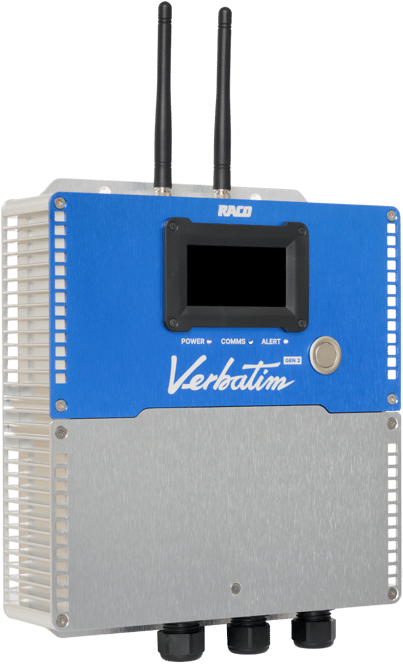
For industrial-grade monitoring solutions that offer reliable protection and advanced control capabilities, consider RACO Manufacturing & Engineering's range of monitoring systems. Our solutions provide the robust features and reliability needed for critical applications.