

The Complete Guide to Industrial Systems Monitoring: Maximizing Efficiency and Preventing Downtime


The Complete Guide to Industrial Systems Monitoring: Maximizing Efficiency and Preventing Downtime
In today's fast-paced industrial environment, unplanned downtime can cost facilities thousands of dollars per minute. Whether you're managing a wastewater treatment plant, a manufacturing facility, or a critical infrastructure operation, effective systems monitoring isn't just a luxury—it's essential for survival. This comprehensive guide will explore how modern systems monitoring solutions protect assets, prevent costly failures, and optimize operations across industrial applications.
Understanding Systems Monitoring in Industrial Applications
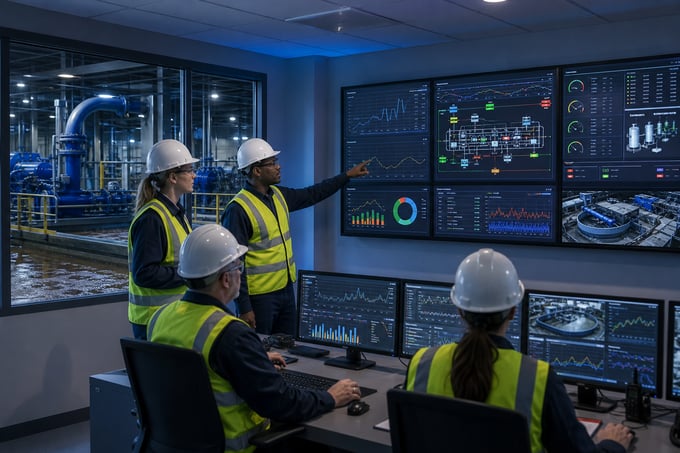
Systems monitoring encompasses the continuous observation, analysis, and management of industrial equipment, processes, and infrastructure. It serves as the nervous system of industrial operations, providing real-time insights into equipment performance, environmental conditions, and critical parameters that affect operational efficiency.
Key Components of Industrial Systems Monitoring
A robust monitoring system typically includes:
| Component | Function | Benefits |
|---|---|---|
| Sensors and Transducers | Data collection from equipment and processes | Real-time measurement of critical parameters |
| Communication Networks | Data transmission and connectivity | Seamless information flow across systems |
| Control Systems | Process automation and management | Automated response to system conditions |
| Analytics Software | Data analysis and reporting | Actionable insights for decision-making |
The Evolution of Systems Monitoring Technology
Industrial systems monitoring has transformed dramatically from simple gauge readings to sophisticated digital solutions. Modern monitoring systems leverage advanced technologies like Industrial Internet of Things (IIoT), artificial intelligence, and cloud computing to provide unprecedented visibility into operations.
Benefits of Advanced Systems Monitoring
Implementing comprehensive monitoring solutions offers numerous advantages:
- Reduced downtime through predictive maintenance
- Enhanced operational efficiency
- Improved safety and regulatory compliance
- Lower maintenance costs
- Better resource allocation
Critical Applications in Wastewater Management
In wastewater treatment facilities, systems monitoring plays a vital role in maintaining environmental compliance and operational efficiency. Modern monitoring solutions track crucial parameters such as:
| Parameter | Importance | Monitoring Method |
|---|---|---|
| Flow Rates | Process control and capacity management | Magnetic flow meters, ultrasonic sensors |
| pH Levels | Treatment effectiveness | Digital pH sensors with continuous monitoring |
| Pump Status | System reliability | Advanced telemetry systems |
| Chemical Levels | Treatment optimization | Automated chemical sensors |
Implementing Effective Monitoring Solutions
Successfully implementing a systems monitoring solution requires careful planning and consideration of several key factors:
1. Assessment and Planning
Begin with a thorough evaluation of your facility's needs, including:
- Critical equipment and processes requiring monitoring
- Current pain points and operational challenges
- Regulatory requirements and compliance needs
- Budget constraints and ROI expectations
2. Technology Selection
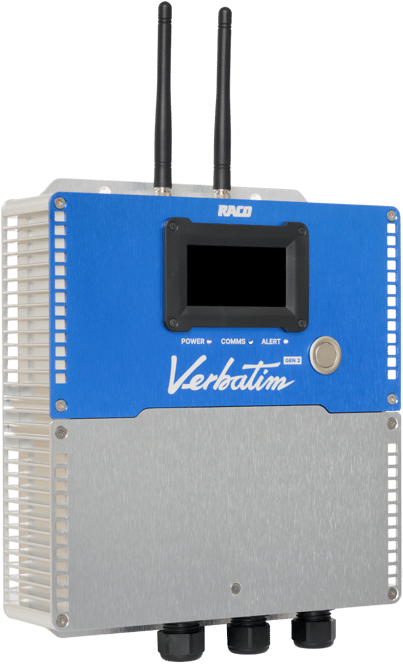
Choose monitoring solutions that align with your operational requirements. RACO Manufacturing's Catalyst and AlarmAgent.com platforms offer comprehensive monitoring capabilities specifically designed for industrial applications. These solutions provide:
- Real-time alarm notification
- Remote monitoring capabilities
- Data logging and trending
- Custom reporting options
Best Practices for Systems Monitoring
To maximize the effectiveness of your monitoring system:
1. Regular Calibration and Maintenance
Ensure sensors and monitoring equipment are regularly calibrated and maintained to provide accurate data.
2. Staff Training
Invest in comprehensive training programs to ensure operators can effectively use and respond to monitoring systems.
3. Data Analysis and Reporting
Implement robust data analysis procedures to transform monitoring data into actionable insights.
Future Trends in Systems Monitoring
The future of industrial systems monitoring is evolving rapidly, with several emerging trends:
| Trend | Impact | Timeline |
|---|---|---|
| AI-Powered Analytics | Enhanced predictive capabilities | Near-term |
| 5G Integration | Improved connectivity and response times | Medium-term |
| Digital Twins | Better system modeling and simulation | Long-term |
Conclusion
Effective systems monitoring is no longer optional in today's industrial landscape. By implementing comprehensive monitoring solutions, organizations can significantly improve their operational efficiency, reduce costs, and prevent costly downtime. As technology continues to evolve, staying current with monitoring capabilities will become increasingly crucial for maintaining competitive advantage.
For more information about implementing advanced systems monitoring solutions in your facility, contact RACO Manufacturing's team of experts or explore our range of monitoring products designed specifically for industrial applications.