

The Complete Guide to Municipal Sewer Systems: Management, Monitoring, and Maintenance


The Complete Guide to Municipal Sewer Systems: Management, Monitoring, and Maintenance
Managing municipal sewer systems is one of the most critical yet often overlooked aspects of modern infrastructure. As communities grow and infrastructure ages, the challenges of maintaining efficient sewer operations become increasingly complex. This comprehensive guide explores the essential components of sewer system management, highlighting how modern technology is revolutionizing the way we monitor and maintain these vital systems.
Understanding Municipal Sewer Systems
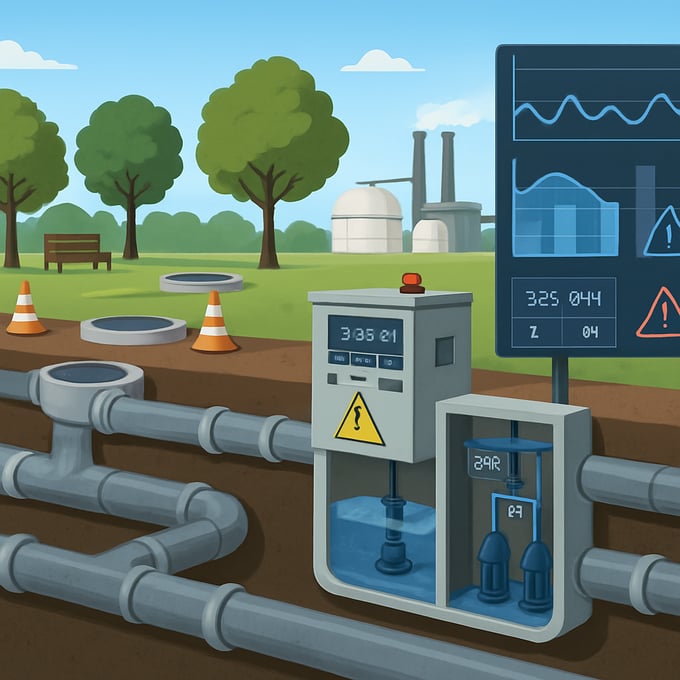
A municipal sewer system is a complex network of underground pipes, pumping stations, and treatment facilities that manage wastewater from homes, businesses, and industrial facilities. These systems play a crucial role in public health and environmental protection, making their proper operation essential for every community.
Key Components of Sewer Infrastructure
| Component | Function | Monitoring Requirements |
|---|---|---|
| Collection Pipes | Transport wastewater from sources | Flow monitoring, structural integrity |
| Lift Stations | Pump wastewater to higher elevations | Pump status, level monitoring |
| Treatment Plants | Process and clean wastewater | Chemical levels, flow rates |
| Manholes | Access points for maintenance | Structural integrity, infiltration |
Common Challenges in Sewer System Management
Municipal utilities face numerous challenges in maintaining effective sewer operations. Understanding these challenges is the first step toward implementing successful solutions:
1. Aging Infrastructure
Many sewer systems in the United States are approaching or exceeding their designed lifespan. This aging infrastructure leads to increased maintenance costs and the risk of system failures.
2. Infiltration and Inflow (I&I)
Groundwater and stormwater entering the sewer system through cracks or illegal connections can overwhelm treatment facilities and increase operational costs significantly.
3. Emergency Response
Responding to sewer overflows and other emergencies requires immediate action to prevent environmental damage and protect public health.
Modern Monitoring Solutions for Sewer Systems
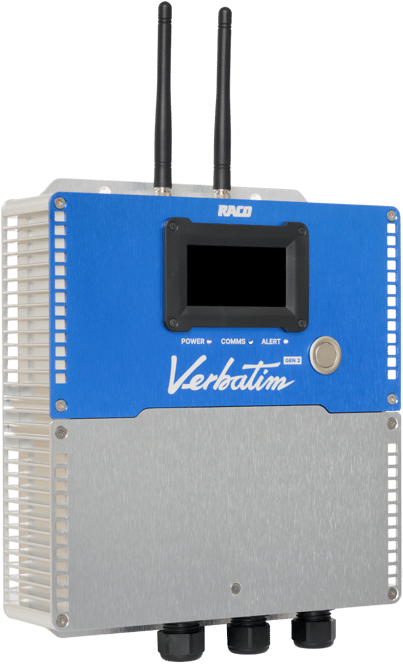
Advanced monitoring technology has transformed how utilities manage their sewer infrastructure. RACO Manufacturing & Engineering's alarm systems and monitoring solutions play a crucial role in this evolution.
Remote Monitoring Technology
Modern sewer systems benefit from sophisticated remote monitoring capabilities that provide real-time data on:
- Flow rates and water levels
- Pump station operation status
- Equipment maintenance needs
- System alerts and alarms
The Role of SCADA in Sewer Management
Supervisory Control and Data Acquisition (SCADA) systems are essential for modern sewer management. These systems provide:
| Feature | Benefit |
|---|---|
| Real-time Monitoring | Immediate awareness of system status |
| Data Analysis | Trend identification and predictive maintenance |
| Remote Control | Quick response to system issues |
| Automated Reporting | Compliance documentation and system optimization |
Preventive Maintenance Strategies
Implementing effective preventive maintenance programs is crucial for extending system life and preventing costly emergencies. Key strategies include:
Regular Inspection Programs
Systematic inspection schedules help identify potential issues before they become major problems. Modern technologies like CCTV inspection systems provide detailed views of pipe conditions.
Data-Driven Maintenance
Using monitoring data to guide maintenance decisions helps utilities optimize their resources and prevent system failures more effectively.
Emergency Response and Overflow Prevention
Quick response to sewer emergencies is critical for protecting public health and the environment. RACO's alarm systems provide immediate notification when problems arise, enabling rapid response to potential overflow situations.
Key Components of Emergency Response
| Element | Purpose |
|---|---|
| Automated Alarms | Immediate notification of system issues |
| Response Protocols | Clear procedures for emergency situations |
| Equipment Redundancy | Backup systems for critical components |
| Staff Training | Prepared response teams for emergencies |
Future of Sewer System Management
The future of sewer system management lies in the integration of smart technologies and predictive analytics. Emerging trends include:
- Artificial Intelligence for system optimization
- Advanced sensors for real-time monitoring
- Predictive maintenance algorithms
- Smart city integration
Conclusion
Effective sewer system management requires a comprehensive approach combining modern technology, preventive maintenance, and emergency preparedness. By implementing robust monitoring solutions like those offered by RACO Manufacturing & Engineering, utilities can better protect their infrastructure investments and ensure reliable service for their communities.
For more information about how RACO's monitoring solutions can help optimize your sewer system management, contact our experts today.