


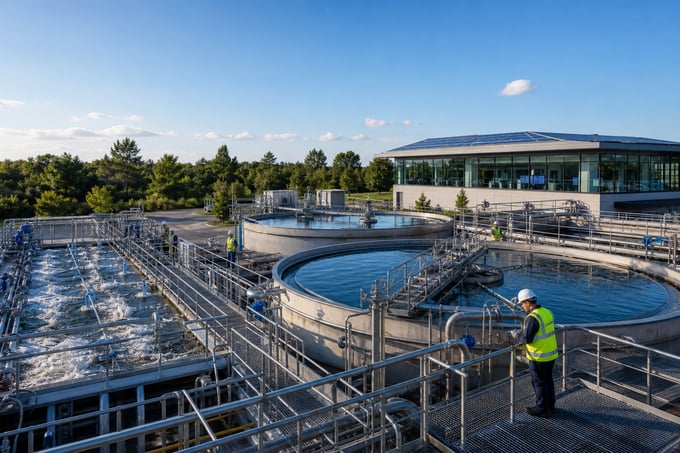
Wastewater Management: A Comprehensive Guide to Modern Treatment Systems and Best Practices


Wastewater Management: A Comprehensive Guide to Modern Treatment Systems and Best Practices
Effective wastewater management stands as one of the most crucial challenges facing modern civilization. As our population grows and industrial activities expand, the need for sophisticated wastewater treatment solutions becomes increasingly critical. This comprehensive guide explores the intricacies of wastewater management systems, emerging technologies, and best practices that are shaping the future of water treatment.
Understanding Wastewater Management Systems
Wastewater management encompasses the collection, treatment, and disposal or reuse of water that has been contaminated by human activities. This process is vital for protecting public health, preserving environmental resources, and ensuring sustainable water usage for future generations.
Components of a Wastewater Management System
Modern wastewater management systems consist of several interconnected components working in harmony:
| Component | Function | Importance |
|---|---|---|
| Collection System | Gathers wastewater from various sources | Critical for centralized treatment |
| Primary Treatment | Removes solid materials | Foundation of treatment process |
| Secondary Treatment | Biological treatment of dissolved materials | Essential for meeting discharge standards |
| Tertiary Treatment | Advanced purification | Crucial for water reuse applications |
Modern Wastewater Treatment Processes
Contemporary wastewater management employs various treatment processes, each serving a specific purpose in the purification chain. Understanding these processes is crucial for facility operators and environmental engineers.
Primary Treatment
During primary treatment, physical processes remove larger solids and floating materials. This stage typically reduces suspended solids by 60-70% and organic matter by 30-40%.
Secondary Treatment
Secondary treatment involves biological processes where microorganisms break down organic matter. This crucial stage removes up to 85% of remaining organic materials and suspended solids.
Advanced Treatment Technologies
Modern facilities increasingly implement advanced treatment technologies, including:
- Membrane bioreactors (MBR)
- UV disinfection systems
- Advanced oxidation processes
- Nutrient removal systems
Monitoring and Control Systems in Wastewater Management
Effective wastewater management relies heavily on sophisticated monitoring and control systems. These systems ensure treatment processes operate efficiently and comply with regulatory requirements.
Remote Monitoring Solutions
Modern wastewater facilities utilize advanced remote monitoring solutions like RACO's Catalyst and AlarmAgent.com systems. These platforms provide real-time data on:
- Flow rates and water levels
- Chemical composition and pH levels
- Equipment performance metrics
- Energy consumption patterns
Regulatory Compliance and Standards
Wastewater management facilities must adhere to strict regulatory standards established by environmental protection agencies. These regulations typically cover:
| Parameter | Typical Requirement | Monitoring Frequency |
|---|---|---|
| BOD Removal | 85% minimum | Daily |
| TSS Removal | 90% minimum | Daily |
| pH Level | 6.0-9.0 | Continuous |
Emerging Trends in Wastewater Management
The wastewater management industry continues to evolve with new technologies and approaches:
Digital Transformation
Smart sensors, IoT devices, and advanced analytics are revolutionizing how facilities operate. These technologies enable predictive maintenance, optimize resource usage, and improve overall efficiency.
Sustainable Practices
Modern facilities increasingly focus on sustainability through:
- Energy recovery from biosolids
- Water reuse programs
- Green infrastructure integration
Best Practices for Facility Operations
Successful wastewater management requires adherence to established best practices:
Preventive Maintenance
Regular maintenance schedules help prevent equipment failures and ensure optimal performance. This includes:
- Daily equipment inspections
- Regular calibration of monitoring instruments
- Scheduled component replacement
Staff Training and Safety
Comprehensive training programs ensure operators understand:
- Safety protocols and procedures
- Emergency response procedures
- Equipment operation and maintenance
Future Challenges and Solutions
The wastewater management industry faces several challenges:
Infrastructure Aging
Many facilities require significant upgrades to meet modern standards. Solutions include:
- Phased renovation programs
- Implementation of smart technologies
- Public-private partnerships
Conclusion
Effective wastewater management remains crucial for public health and environmental protection. By embracing modern technologies, following best practices, and maintaining regulatory compliance, facilities can ensure efficient and sustainable operations. The future of wastewater management lies in smart technologies, sustainable practices, and innovative treatment solutions.
Recommended Internal Links:
- Remote monitoring systems
- SCADA systems
- Alarm notification systems
- Water treatment automation
- Pump station monitoring


