

Data Center Monitoring: A Comprehensive Guide to Ensuring Optimal Performance and Security


Data Center Monitoring: A Comprehensive Guide to Ensuring Optimal Performance and Security
In today's digital-first world, data centers serve as the backbone of modern business operations. Effective data center monitoring has become more critical than ever, as organizations rely heavily on these facilities to maintain continuous operations, protect sensitive information, and ensure optimal performance of their digital infrastructure. This comprehensive guide explores the essential aspects of data center monitoring and provides actionable insights for implementing robust monitoring solutions.
Understanding Data Center Monitoring: More Than Just Watching Servers
Data center monitoring encompasses a broad range of activities and systems designed to track, analyze, and optimize the performance of data center operations. This includes monitoring various critical parameters such as:
| Parameter Category | Key Metrics | Impact on Operations |
|---|---|---|
| Environmental Conditions | Temperature, Humidity, Airflow | Equipment longevity, Energy efficiency |
| Power Management | Power usage, UPS status, Generator health | Operational continuity, Cost management |
| Security Systems | Access controls, Video surveillance, Intrusion detection | Physical and digital security |
| Network Performance | Bandwidth utilization, Latency, Packet loss | Service quality, User experience |
Critical Components of an Effective Data Center Monitoring System
1. Environmental Monitoring
Environmental monitoring is crucial for maintaining optimal operating conditions within your data center. Modern environmental monitoring systems should include:
- Temperature sensors strategically placed throughout the facility
- Humidity monitoring to prevent condensation and static electricity
- Airflow sensors to ensure proper cooling distribution
- Water detection systems for early leak detection
2. Power Infrastructure Monitoring
Power monitoring is essential for maintaining continuous operations and identifying potential issues before they lead to downtime. Key aspects include:
Power Distribution Units (PDUs)
Modern PDUs provide detailed insights into power consumption patterns and help identify potential overload situations before they become critical. They should be monitored for:
- Current draw per circuit
- Voltage levels and stability
- Power factor measurements
- Energy consumption trends
Uninterruptible Power Supply (UPS) Systems
UPS monitoring ensures backup power systems are ready when needed. Critical parameters include:
- Battery health and charge status
- Load levels and distribution
- Runtime predictions
- Temperature and environmental conditions
Advanced Monitoring Technologies and Integration
Modern data center monitoring has evolved beyond simple sensor readings. Today's solutions incorporate advanced technologies such as:
Artificial Intelligence and Machine Learning
AI-powered monitoring systems can:
- Predict potential failures before they occur
- Optimize resource allocation automatically
- Identify patterns in system performance
- Recommend preventive maintenance schedules
Remote Monitoring and Alert Systems
Remote monitoring capabilities have become increasingly important, especially in the wake of recent global events. Essential features include:
| Feature | Benefit | Implementation Consideration |
|---|---|---|
| Real-time Alerts | Immediate response to issues | Configure appropriate thresholds |
| Mobile Access | Monitor from anywhere | Secure access protocols |
| Automated Reporting | Regular performance insights | Customizable reporting schedules |
Best Practices for Implementing Data Center Monitoring
1. Establish Clear Monitoring Objectives
Before implementing any monitoring solution, define clear objectives aligned with your organization's needs:
- Identify critical systems and processes requiring monitoring
- Set appropriate thresholds and alert levels
- Define response procedures for different types of alerts
- Establish reporting requirements and schedules
2. Choose the Right Monitoring Tools
Selecting appropriate monitoring tools is crucial for success. Consider:
- Scalability requirements
- Integration capabilities with existing systems
- Vendor reputation and support
- Total cost of ownership
The Role of RACO Alarm Systems in Data Center Monitoring
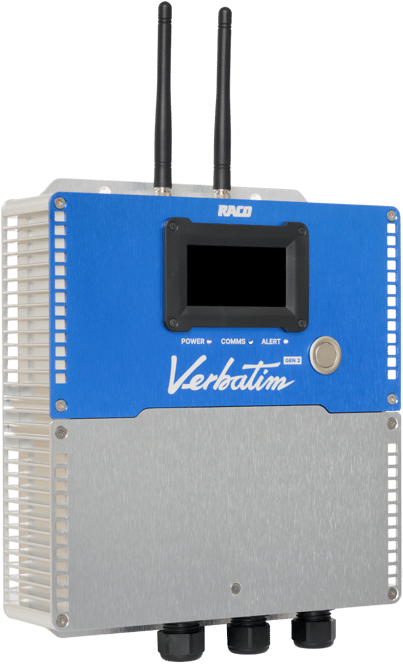
RACO Manufacturing & Engineering's alarm systems play a crucial role in modern data center monitoring. Our solutions provide:
- 24/7 automated monitoring and alert capabilities
- Integration with existing SCADA and control systems
- Customizable alert protocols and escalation procedures
- Remote access and control capabilities
Future Trends in Data Center Monitoring
The future of data center monitoring is evolving rapidly, with several emerging trends:
- Edge computing integration
- Increased automation and AI implementation
- Enhanced cybersecurity monitoring
- Sustainable operations monitoring
Conclusion
Effective data center monitoring is crucial for maintaining optimal performance, ensuring security, and preventing costly downtime. By implementing comprehensive monitoring solutions and following best practices, organizations can better protect their critical infrastructure and maintain efficient operations. RACO's monitoring solutions provide the reliability and functionality needed to meet these challenges head-on.
For more information about implementing effective data center monitoring solutions, contact RACO Manufacturing & Engineering today.