

Directional Antennas in SCADA Systems: A Complete Guide for Wastewater Professionals


Directional Antennas in SCADA Systems: A Complete Guide for Wastewater Professionals
In the complex world of wastewater management, reliable communication between remote facilities and central monitoring stations is crucial. Directional antennas play a vital role in ensuring this communication remains strong and consistent, particularly in SCADA (Supervisory Control and Data Acquisition) systems. This comprehensive guide will explore everything wastewater professionals need to know about directional antennas and their implementation in modern monitoring systems.
Understanding Directional Antennas: The Basics
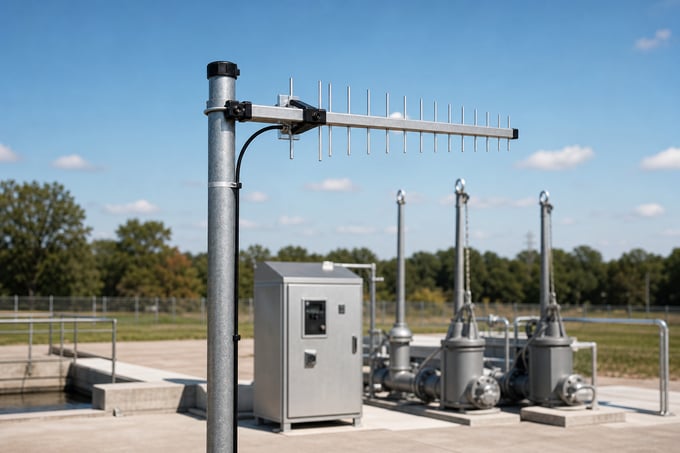
A directional antenna, unlike its omnidirectional counterpart, focuses radio frequency (RF) energy in a specific direction. This focused transmission provides several advantages in wastewater monitoring applications, including increased range, improved signal strength, and reduced interference. Think of it as a flashlight beam compared to a light bulb – while the light bulb spreads light in all directions, the flashlight concentrates it for maximum effectiveness in one direction.
Key Components of a Directional Antenna System
| Component | Function | Importance in Wastewater Applications |
|---|---|---|
| Main Reflector | Focuses RF energy in the desired direction | Ensures strong signal between remote lift stations and control centers |
| Feed Element | Converts electrical signals to RF waves | Critical for accurate data transmission from monitoring equipment |
| Mounting Hardware | Secures antenna and allows alignment | Maintains reliable communication in harsh weather conditions |
Benefits of Directional Antennas in Wastewater Monitoring
When implementing SCADA systems for wastewater monitoring, directional antennas offer several distinct advantages:
1. Enhanced Range and Signal Strength
By focusing RF energy in a specific direction, these antennas can achieve communication ranges up to 30 miles or more, depending on conditions. This extended range is particularly valuable for municipalities with widely dispersed lift stations or treatment facilities.
2. Improved Signal Quality
The focused nature of directional antennas helps minimize interference from other RF sources, resulting in clearer communication and more reliable data transmission. This is crucial for accurate monitoring of critical parameters like flow rates, pump status, and alarm conditions.
3. Cost-Effective Coverage
While the initial investment might be higher than omnidirectional alternatives, directional antennas often provide better long-term value through reduced maintenance needs and fewer repeater stations.
Selecting the Right Directional Antenna for Your Application
Choosing the appropriate directional antenna involves considering several key factors:
Frequency Range Requirements
Most SCADA systems operate in licensed frequency bands, typically between 450-470 MHz. Ensure your antenna is optimized for your specific frequency allocation.
Gain Specifications
Higher gain values (measured in dBi) indicate more focused transmission patterns. For wastewater applications, antennas with gains between 6-12 dBi often provide the best balance of range and coverage.
Environmental Considerations
Look for antennas rated for outdoor use with appropriate IP ratings for exposure to weather and corrosive environments common in wastewater facilities.
Installation Best Practices
Proper installation is crucial for optimal performance of directional antennas in wastewater monitoring systems:
Mounting Considerations
- Install at maximum practical height to improve line-of-sight
- Use sturdy mounting hardware rated for your environment
- Ensure proper grounding for lightning protection
Alignment Techniques
Precise alignment is critical for directional antennas. Use these steps for optimal results:
- Conduct initial alignment using GPS coordinates
- Perform fine-tuning using signal strength measurements
- Document final alignment settings for future reference
- Verify communication reliability through extended testing
Maintenance and Troubleshooting
Regular maintenance ensures continued reliable operation of your directional antenna system:
Preventive Maintenance Schedule
| Task | Frequency | Purpose |
|---|---|---|
| Visual Inspection | Monthly | Check for physical damage or misalignment |
| Signal Strength Verification | Quarterly | Confirm optimal performance |
| Hardware Inspection | Annually | Ensure mounting system integrity |
Integration with RACO Alarm Systems
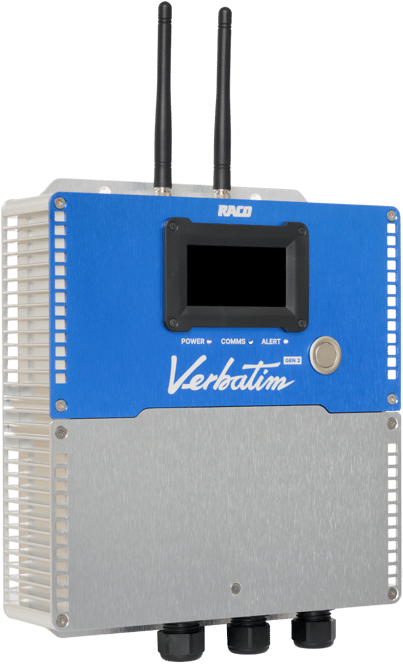
RACO's advanced monitoring systems, including the Catalyst and Guard-It lines, are specifically designed to work with directional antennas for optimal performance in wastewater applications. These systems provide:
- Compatible radio interfaces for common directional antenna configurations
- Built-in diagnostics for antenna system performance monitoring
- Flexible programming options for optimal communication parameters
Future Trends in Directional Antenna Technology
The field of directional antenna technology continues to evolve, with several emerging trends relevant to wastewater monitoring:
- Integration of smart alignment systems
- Advanced weather resistance materials
- Improved gain characteristics for longer range communication
Conclusion
Directional antennas are a crucial component in modern wastewater monitoring systems, providing reliable, long-range communication capabilities essential for effective SCADA operations. By understanding the principles, selection criteria, and maintenance requirements outlined in this guide, wastewater professionals can ensure optimal performance of their monitoring systems.
For more information about implementing directional antennas with RACO's advanced monitoring solutions, contact our technical support team or visit our product pages for detailed specifications and compatibility information.