

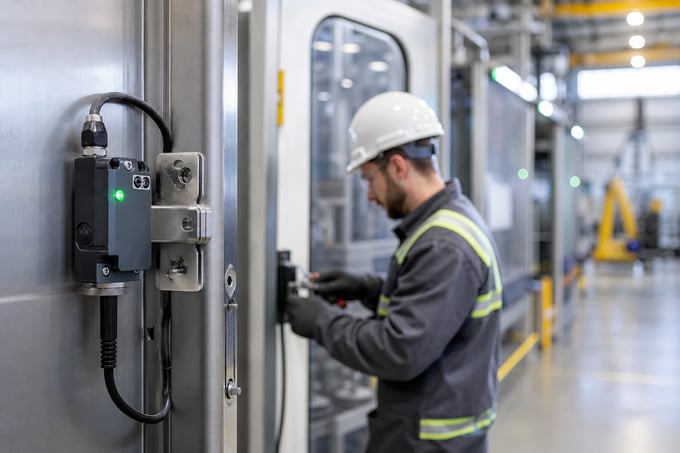
Door Position Switch Guide: Essential Applications & Selection Tips for Industrial Safety


Door Position Switch Guide: Essential Applications & Selection Tips for Industrial Safety
Understanding door position switches is crucial for facility managers and engineers responsible for industrial safety and security. These vital components play a fundamental role in monitoring and controlling access points throughout industrial facilities, particularly in areas where safety and security are paramount. This comprehensive guide will explore everything you need to know about door position switches, from their basic functionality to advanced applications in modern industrial settings.
What is a Door Position Switch?
A door position switch, also known as a door status sensor or door contact switch, is a security device that monitors the status of doors, gates, and other access points. These switches provide real-time feedback about whether a door is open, closed, or in an intermediate position. The technology behind these devices ranges from simple mechanical contacts to sophisticated electronic sensors.
Key Components of Door Position Switches
Modern door position switches typically consist of several essential components:
| Component | Function |
|---|---|
| Actuator | Mechanical or magnetic element that triggers the switch |
| Switch Mechanism | Electrical contacts that open or close based on door position |
| Housing | Protective enclosure designed for specific environmental conditions |
| Mounting Hardware | Brackets and fasteners for secure installation |
Applications of Door Position Switches in Industry
Door position switches serve multiple critical functions across various industrial applications:
1. Security Monitoring
In security applications, door position switches integrate with alarm systems to detect unauthorized access. These switches can trigger immediate notifications to security personnel when doors are opened outside of authorized hours or without proper credentials.
2. Safety Interlocking
Manufacturing facilities use door position switches as part of safety interlock systems. These systems ensure that dangerous machinery automatically shuts down when access doors or protective guards are opened, preventing accidents and injuries.
3. Environmental Control
In climate-controlled environments, door position switches help maintain optimal conditions by monitoring access points and triggering alerts when doors remain open too long, potentially compromising temperature or humidity requirements.
Selecting the Right Door Position Switch
Choosing the appropriate door position switch requires careful consideration of several factors:
Environmental Considerations
The operating environment significantly impacts switch selection. Consider these environmental factors:
| Environment Type | Required Switch Features |
|---|---|
| Washdown Areas | IP67 or IP69K rating, corrosion-resistant materials |
| Hazardous Locations | Explosion-proof certification, appropriate safety ratings |
| Outdoor Installations | Weather-resistant housing, UV protection |
| High-Temperature Areas | Temperature-rated components, special materials |
Mechanical Requirements
The physical aspects of the installation determine specific mechanical requirements:
- Mounting orientation and space constraints - Expected cycle life and durability needs - Operating force and travel requirements - Door alignment tolerance requirementsInstallation Best Practices
Proper installation is crucial for reliable operation of door position switches. Follow these guidelines for optimal performance:
1. Mounting Location
Select a mounting location that provides:
- Protection from physical damage - Accessibility for maintenance - Proper alignment with the door's movement - Clear space for wiring connections2. Wiring Considerations
Ensure proper wiring installation by:
- Using appropriate cable types for the environment - Installing strain relief to protect connections - Following manufacturer's recommendations for terminal connections - Implementing proper grounding practicesMaintenance and Troubleshooting
Regular maintenance ensures long-term reliability of door position switches. Implement these maintenance practices:
Preventive Maintenance Schedule
| Maintenance Task | Frequency |
|---|---|
| Visual Inspection | Monthly |
| Operational Testing | Quarterly |
| Alignment Check | Semi-annually |
| Complete System Verification | Annually |
Integration with Control Systems
Modern door position switches often integrate with broader control and monitoring systems. Key integration considerations include:
Communication Protocols
Common industrial protocols used with door position switches:
- Discrete I/O - AS-Interface - IO-Link - Industrial EthernetSafety Standards and Compliance
Door position switches must meet various safety standards depending on their application:
| Standard | Application |
|---|---|
| ISO 13849-1 | Safety-related parts of control systems |
| IEC 60947-5-1 | Low-voltage switchgear and control gear |
| NFPA 79 | Industrial machinery electrical safety |
Conclusion
Door position switches are essential components in industrial safety and security systems. Proper selection, installation, and maintenance of these devices ensure reliable operation and compliance with safety requirements. When implementing door position switches, consider environmental conditions, mechanical requirements, and integration needs to choose the most appropriate solution for your application.
For expert guidance on selecting and implementing door position switches in your facility, contact RACO Manufacturing & Engineering. Our team of specialists can help you determine the best solution for your specific needs.